Recently, relevant departments urgently pre-allocated central government funds for natural disaster relief to support multiple regions in emergency rescue and disaster relief efforts. Against the backdrop of frequent flood seasons and extreme weather, natural disaster rescue missions are heavy. Rescue sites often involve complex hazards such as accumulated water, mudslides, and collapsed structures, posing a direct threat to the safety of frontline rescue personnel.
Facing unpredictable natural disaster sites, well-equipped personal protective equipment is the last line of defense to ensure the safety of rescue personnel. Enterprise safety managers and rescue team leaders must attach great importance to the stockpiling and risk-based selection of emergency protective supplies, ensuring that equipment is readily available, usable, and effective in emergency situations.
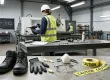
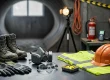
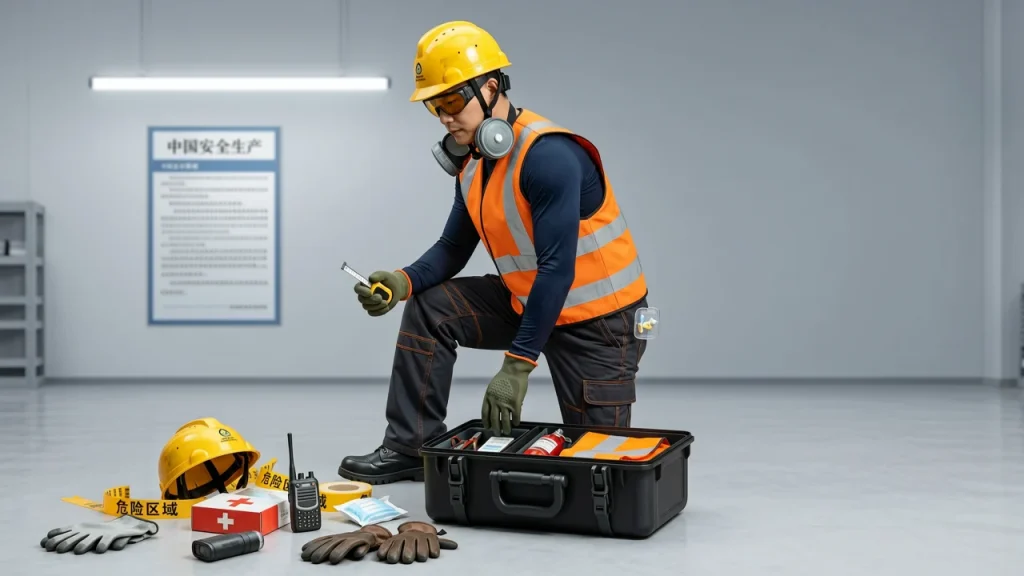
In terms of head protection, rescue sites may present risks of falling objects or collisions, so compliant safety helmets must be provided, and it is recommended to add accessories such as headlamps to improve visibility in low-light environments. For torso protection, selection should be based on the specific type of disaster. For example, in flood rescue operations, equipping professional life jackets and waterproof, cold-resistant clothing is crucial to address risks of hypothermia and drowning.
Hand and foot protection should not be overlooked. Wading operations require slip-resistant, waterproof safety boots to prevent puncture by sharp objects and foot diseases caused by prolonged immersion. When in contact with unknown contaminants or during medical first aid, professional emergency protective gloves and isolation suits should be used. Such emergency protective equipment can effectively block pathogens or harmful substances from harming the human body.
In addition to risk-based selection, the daily management of emergency supplies is also a core part of enterprise EHS management. Enterprises should establish dynamic inventory records for emergency supplies and regularly check the validity and condition of protective equipment. For critical supplies such as life-saving equipment and respiratory protection, strict storage requirements must be followed, including moisture-proof and light-proof storage, to ensure stable performance.
The value of equipment lies in its correct use. Safety managers should regularly organize training and emergency drills for rescue personnel on the donning and doffing of personal protective equipment. By simulating real disaster scenarios, rescue personnel can master the sequence of donning and doffing, usage limitations, and maintenance methods of various protective equipment, thereby forming muscle memory for actual operations.
Natural-disaster response is time-critical, and responders need PPE that is selected, stocked, and maintained before an emergency occurs. A practical program should cover equipment selection, inventory control, inspection, and training so that responders can work with appropriate protection from the outset.
News source:Ministry of Emergency Management of the People's Republic of China, 2026-08-13: 'The Ministry of Finance and the Ministry of Emergency Management urgently pre-allocated 80 million yuan of central government funds for natural disaster relief to support Henan, Hubei, and Anhui provinces in natural disaster emergency rescue and relief efforts, 2026-08-13 18:26'. This article only interprets PPE knowledge based on public news topics.