Personal Protective Equipment (PPE) Supplier
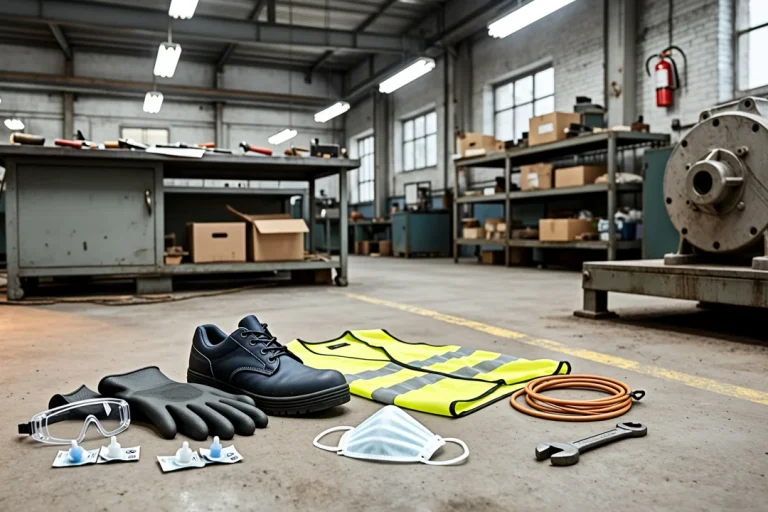
Products cover head, eye & face, respiratory, foot, hand, body, and fall protection.
View Products
Products cover head, eye & face, respiratory, foot, hand, body, and fall protection.
View Products
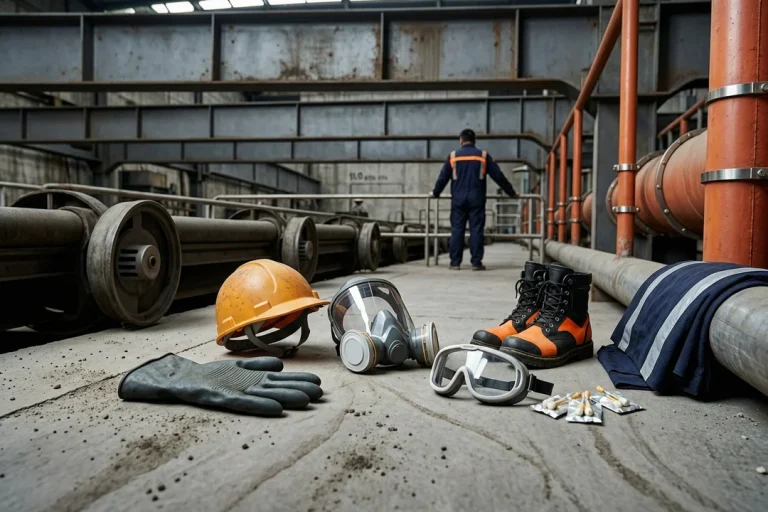
Provide reliable protection for industrial sites, spraying, grinding, and chemical operations.
Learn More
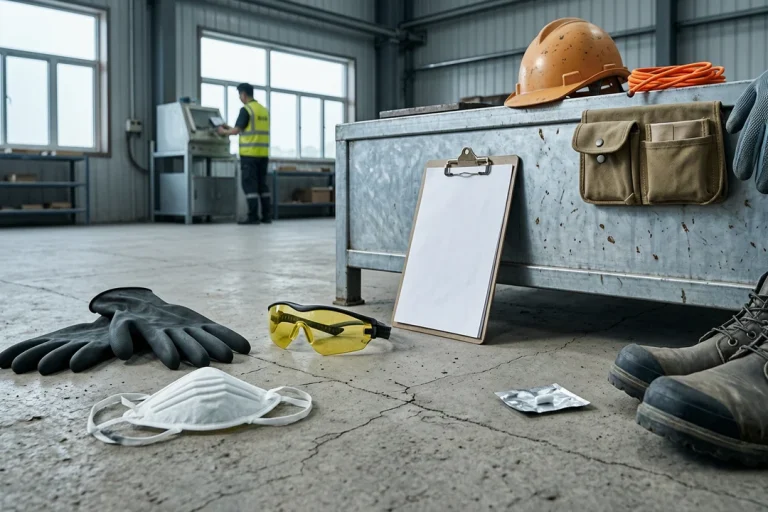
Suitable for warehousing, manufacturing, construction, chemical, and other working environments.
Learn MoreLATEST NEWS
The environment of housing and municipal engineering is complex, and major accidents often stem from the neglect of details. From the perspective of EHS management, this article explores the selection ideas and on-site management key points for head, respiratory, and hearing protection at construction sites, helping enterprises build a solid safety bottom line.
The construction accident in the Shaodong reservoir tunnel in Hunan once again sounds the alarm for safety in underground engineering. From an EHS management perspective, this article analyzes the core risks of tunnel and confined space operations, and discusses PPE selection and on-site management considerations for head protection and respiratory protection.
In curtain wall hanging basket operations, the selection and on-site management of fall protection equipment are crucial. This article analyzes the importance of independent safety lanyards, the selection approach for fall protection equipment, and daily inspection key points, helping enterprises strengthen the safety baseline for work at height.
Chemical process safety management emphasizes risk control throughout the entire production process. As the last line of defense protecting employees, PPE selection and management must be integrated with process risk assessment. This article discusses common pitfalls in PPE management at chemical sites...
Excavation operations involve complex environments with risks of collapse and mechanical injury. This article explores dust, noise, and falling object risks in excavation operations from an on-site management perspective, and outlines the selection and management approach for respiratory, hearing, and head protection equipment.
With Work Safety Month 2026 approaching, EHS and procurement teams should look beyond compliance and consider wearer comfort when selecting and managing head, hearing, and respiratory PPE, so that protection becomes part of everyday work.
A recent burn accident in Zhengzhou, Henan, resulted in 3 deaths. This article explores how corporate EHS can strengthen the safety baseline for high-temperature operations through risk-based PPE selection and provision and on-site management, from the perspective of risk observation and selection.
OUR COMPANY
In September 2005, Singapore-based AEGLE Group brought advanced safety protection concepts and high-quality personal protective equipment to China, establishing and forming its wholly-owned subsidiary in China—AEGLE Safety Equipments (Shanghai) Co., Ltd., specializing in the R&D and sales of a full range of products in the fields of occupational safety protection and environmental protection.
The company provides customers in China with safety products, technical support, professional safety training, and comprehensive after-sales service, helping advance workplace safety across a wide range of industries.

PRODUCT VIDEOS
OUR SOLUTIONS
During fire rescue operations, both rescuers and those being rescued face extremely harsh environments. When working in such environments, we recommend equipping the following protective gear, which you can select according to your actual place of use. If you have any questions, you can contact our sales manager.
The power industry mainly faces the following issues during production: 1. Live-line work, including high-voltage and low-voltage live-line work; 2. Work at height, mainly for maintenance and emergency repair of high-voltage cables; 3. Emergency response operations, such as sulfur hexafluoride leaks. If you have any questions, please contact our sales manager for assistance.
Most of the safety harnesses we currently use cannot be used in environments with sparks or open flames, which is a headache for many welder working at heights. They need to complete welding tasks while ensuring safety at height, preventing welding sparks from affecting the safety harness, avoiding damage to the harness, and ensuring the safety of workers.
PRODUCT CATALOGS