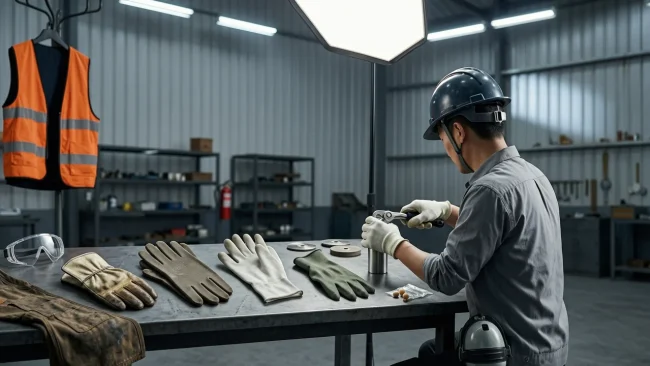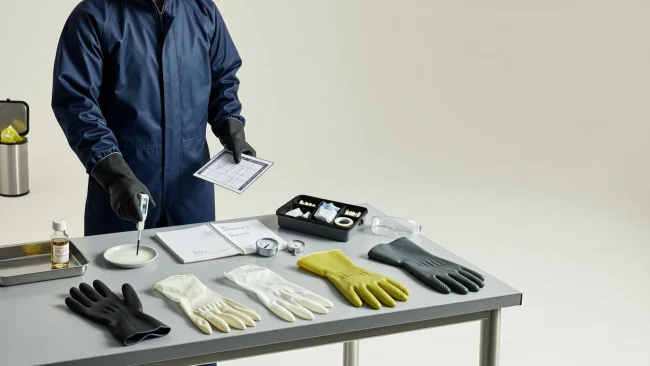
Why can't hand protection for cutting, grinding, and assembly be covered by just one pair of gloves?

Factory cutting, grinding, and assembly processes often share a single “wear gloves” requirement, but the hand risks in these three types of work are not the same. The article points out that issuing a uniform style tends to make protection a mere formality; selection should begin by observing work movements, breaking down contact surfaces, tool types, and movement frequency by process, and then determining the protection category. On-site attention should also be paid to glove sizing, replacement of damaged gloves, and employee wearing practices, integrating hand protection into risk identification and continuous improvement.

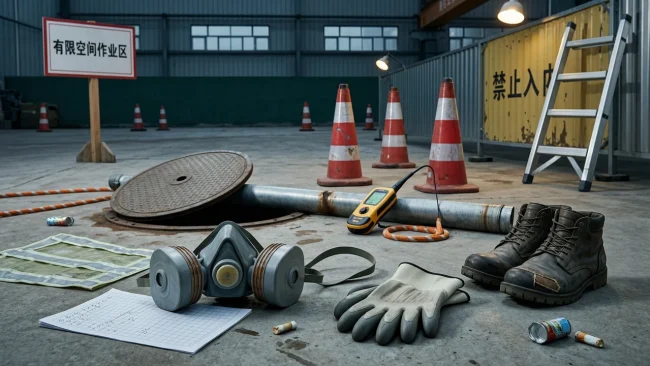
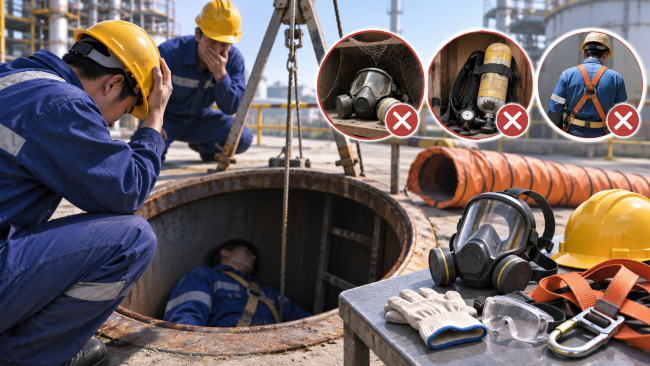
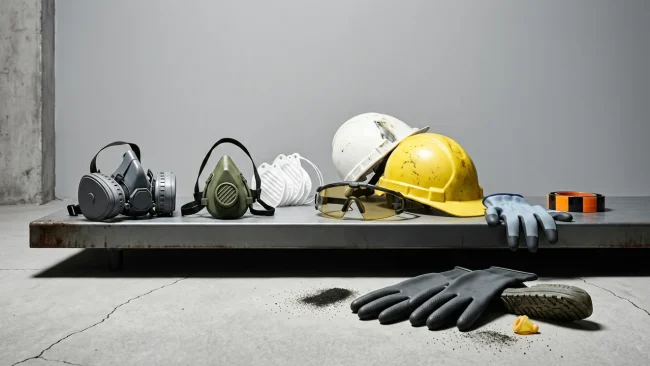
Poisoning Incident Review: Why Respiratory Protection on Site Must Be Reassessed

A poisoning accident in Chaoyang, Liaoning, that killed 3 people once again reminds companies to pay attention to respiratory protection in confined spaces and temporary operations. The article points out that poisoning risks often stem from the lack of a closed loop among work permits, gas testing, on-site supervision, ventilation and purging, and personal protective equipment; the selection of respiratory protection must take into account the working environment, the form of pollutants, and the intensity of exposure, and must be accompanied by training and on-site implementation so that protection does not become a mere formality.

Behind the Risks of Coal Mine Operations: Which On-Site Details Matter in PPE Procurement

Multiple risks coexist in coal mines, including dust, noise, narrow passages, confined-space gases, and humid environments. PPE procurement should first establish a task-based risk inventory and then match on-site requirements. Focusing on head, hearing, and respiratory protection, this article analyzes details such as safety helmet fit and comfort, the combination of earplugs and earmuffs based on noise and communication needs, and respirator filter types and fit testing, while emphasizing the establishment of rules for issuance, inspection, cleaning, and disposal so that protection choices are grounded in real risks.

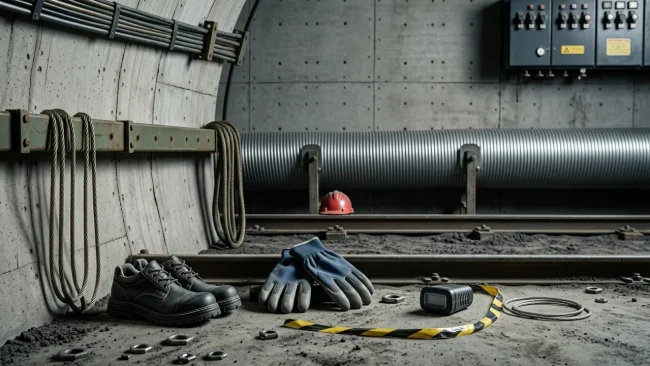
After a Coal Mine Shutdown: How to Fill the Gaps in Underground Risk Control and Personal Protection?

After a coal mine in Shanxi was shut down due to a work safety accident, on-site risk control became the focus. Centered on the combined risks of roof, dust, noise, ventilation, and transport, this article discusses the configuration and wear checks of head, hearing, and respiratory protection in scenarios such as roadways and maintenance, emphasizing that personal protective equipment should serve as the last line of defense after engineering controls and administrative controls, and recommending that personnel retraining, equipment interlock restoration, and work permit review be implemented before resuming operations.

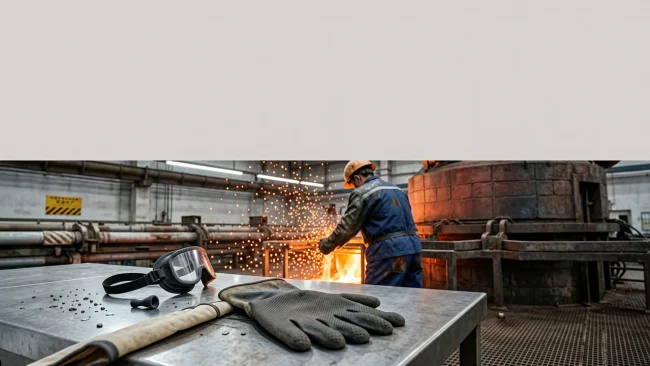
Behind Typical Steelmaking Accidents, Why Is PPE Configuration Always One Step Behind?

The steelmaking site is a mix of high temperature, noise, dust, lifting and gas risks, and accidents are often caused by the compounding of multiple stages. Drawing on typical accident cases, the article analyzes the risks of burns, crushing, falls and inhalation injuries in scenarios such as tapping, casting, ladle lifting and furnace maintenance, and points out that PPE configuration should be refined down to specific tasks, with clear applicable scenarios, replacement conditions and training requirements, so as to avoid a mismatch between equipment and the work rhythm.

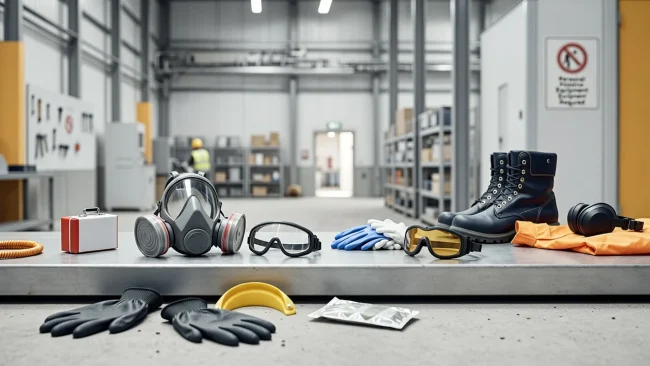
Why job-position checklists for PPE configuration at chemical sites are often insufficient

The article points out that chemical companies' fixed PPE configuration by job makes it difficult to cover the rapidly changing exposure risks in operations such as tank cleaning, loading and unloading, and inspection and maintenance. The article recommends incorporating PPE configuration into pre-job risk identification, selecting equipment according to exposure type, duration and environmental conditions, and integrating inspection, training and emergency spares into on-site management.