As enforcement against illegal and non-compliant practices intensifies in key industries, how should organizations strengthen on-site PPE management and risk-based selection?

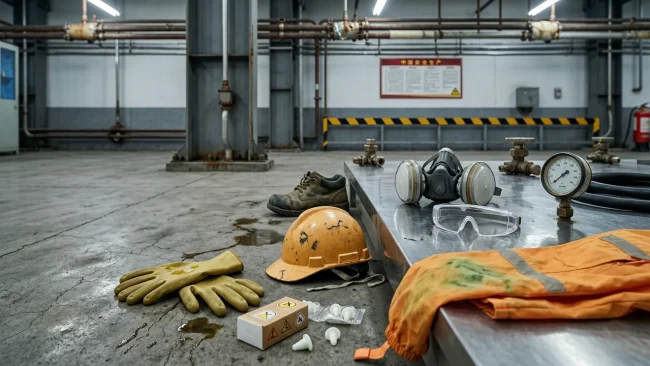
The Ministry of Emergency Management has carried out special campaigns to crack down on illegal activities and rectify violations in key industries such as mining, chemical, and industrial and trade sectors. From an EHS management perspective, this article explores the selection considerations for respiratory protection, head protection, and hearing protection in high-risk scenarios, as well as key points for on-site compliance management.

Construction hazard identification atlas implemented: three blind spots in on-site personal protection that are easily overlooked

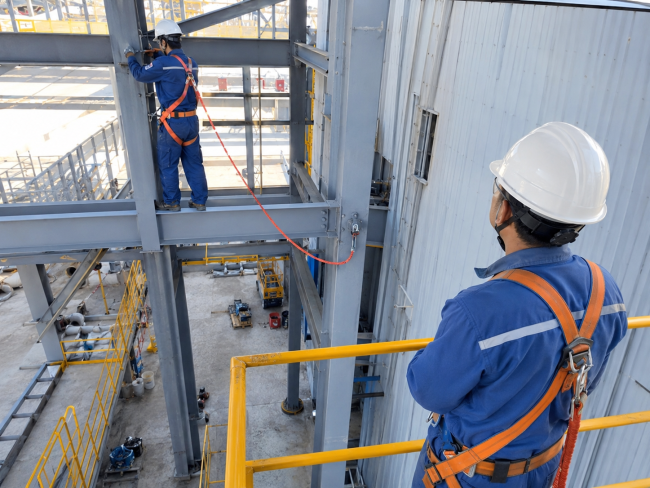
The atlas for identifying safety hazards in building construction is a powerful tool for on-site risk inspection, but in practical application, environmental hazards are easy to spot, while personal protective equipment hazards are often overlooked. This article explores how to transform the knowledge from the atlas into end-to-end management of head, respiratory, and hearing protection.

With Extreme Weather Occurring Frequently, How Can Enterprises Improve Emergency Personal Protective Equipment Reserves

Recently, the state allocated central disaster relief materials to support flood control efforts, which serves as a wake-up call for enterprises. In the face of extreme weather, how should factory EHS and procurement personnel plan emergency personal protective equipment reserves in advance to ensure the safety of employees during rescue and post-disaster recovery?

Key Points for Personal Protective Equipment Configuration During Enterprise Emergency Inspection in Response to Frequent Geological Disaster Warnings

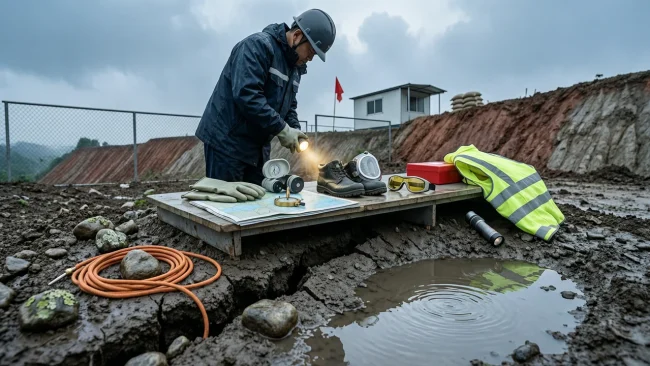
With geological disaster emergency responses activated in multiple regions, industrial enterprises face complex secondary risks. This article discusses how EHS managers can appropriately configure head, respiratory, and hearing protection equipment during post-disaster inspection and cleanup phases to ensure the safety of frontline operations.