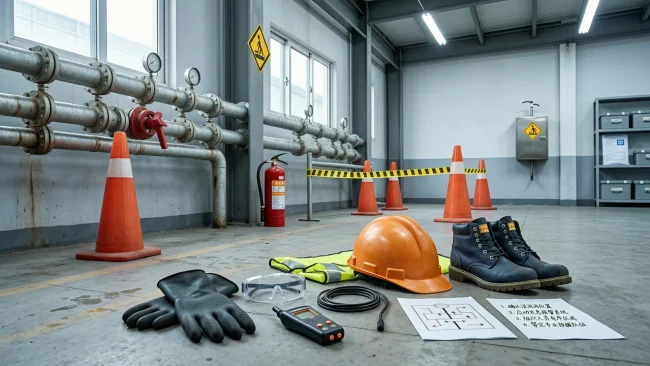
After a liquefied gas leak flash explosion, which link in factory emergency protection is most easily overlooked?

A suspected liquefied gas leak flash explosion accident in Huludao, Liaoning, caused 3 deaths and 8 injuries, warning factories to pay attention to the continuous risk chain from leakage to accumulation to flash explosion. The article points out that many enterprises' risk identification remains at the equipment level, ignoring personnel exposure locations and ventilation, detection, warning and evacuation routes; a common misconception in personal protection is using ordinary masks instead of respiratory protection. Emergency protection requires configuring respiratory, head and hearing protection according to the scenario, and linking with on-site signage, drills and procurement management.
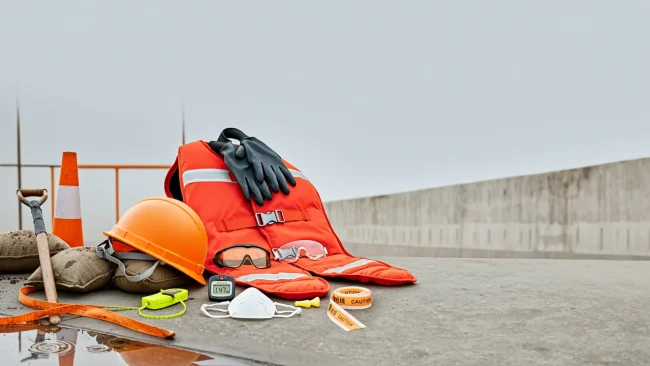
The environment at the breach emergency rescue site is complex. What core risks should be considered in the selection of flood rescue PPE?

The Ministry of Emergency Management urgently dispatched engineering rescue forces to Zhoukou, Henan, to deal with the breach of the Jialu River. Based on this emergency scenario, the article analyzes the risks faced by rescuers in fast currents, sewage and complex underwater environments, including impact, cuts, hypothermia and water pollution, and introduces key selection points for safety helmets, emergency protective equipment, water rescue boots and cut-resistant gloves covering head, body, hand and foot protection, reminding EHS managers to evaluate based on actual operations and regularly inspect equipment performance.

Key Points for the Configuration and Management of Personal Protective Equipment at Natural Disaster Emergency Rescue Sites

Against the news background of the Ministry of Finance and the Ministry of Emergency Management urgently pre-allocating 80 million yuan in central natural disaster relief funds, the article discusses the configuration and management of personal protective equipment at natural disaster rescue sites, introduces key selection points for head, torso, hand and foot protection equipment, and emphasizes that enterprises should establish emergency material ledgers, regularly inspect equipment status, and organize wearing training and emergency drills to reduce operational risks for frontline rescuers.

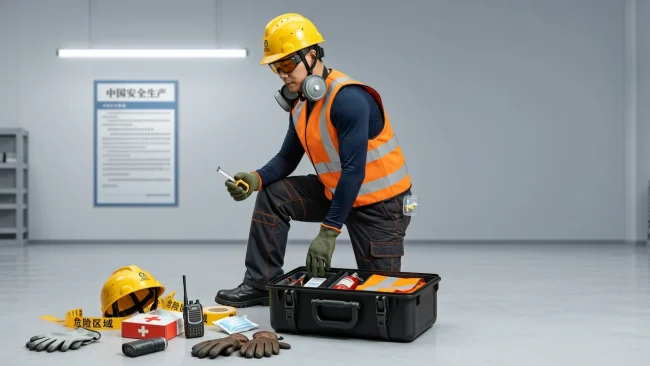
The Golden Rule of On-Site Emergency Rescue: Why Is Self-Protection the First Priority?

Combining the topic of first aid for work safety accidents, the article points out that during the golden rescue time after an accident, on-site first aid must first assess hazard sources and ensure personal protection to avoid casualties caused by blind rescue; then scientific treatment procedures such as cardiopulmonary resuscitation and bleeding control and bandaging should be followed. Enterprises also need to regularly carry out first aid training and incorporate first aid supplies and emergency protective equipment into daily safety management.

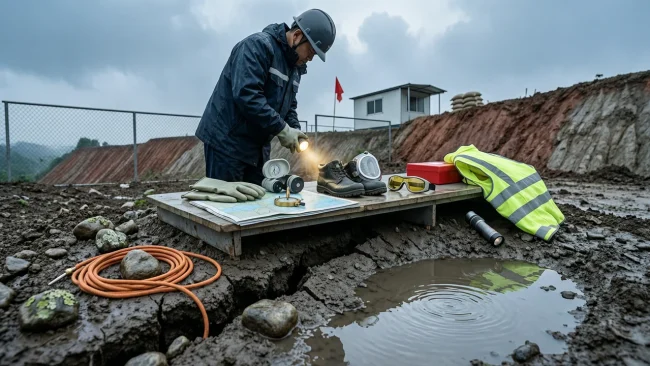
During flood season geological hazard inspections, how should frontline inspectors choose protective equipment?

As the flood season is currently underway, geological disasters such as landslides and mudslides have entered a high-incidence period, and multiple departments have jointly issued a notice requiring thorough hazard inspection and investigation. Frontline inspection personnel go deep into complex areas with fragmented terrain and soft soil, facing risks such as slips, falling rocks and wading. Focusing on head and face protection, foot and torso protection, and emergency supply stockpiling, this article outlines key points for selecting equipment such as safety helmets, safety spectacles, slip-resistant safety boots, emergency protective clothing and emergency protective kits, providing a reference for enterprise EHS managers in developing on-site safety management plans.

Risk interweaving at geological disaster rescue sites: What are the core considerations for selecting emergency protective equipment?

Recent extreme weather has triggered geological disasters such as landslides, and national professional rescue teams quickly rushed to the scene for emergency response. The site presents risks including secondary collapse, falling rocks and debris, dust, and mud. The article focuses on equipment such as rescue helmets, safety goggles, dust masks, emergency protective clothing, rescue boots, and gloves, explaining selection points including torso penetration resistance, respiratory protection, and toe protection and penetration resistance for hands and feet. It also advises companies to establish equipment ledgers, conduct regular inspections, and pay attention to compliance and scenario suitability when purchasing.

Risks Intertwined in Flood Season Drainage Operations: Key Points for Selection and Management of Emergency Rescue Protective Equipment

A national professional rescue team was dispatched to Guigang, Guangxi, to carry out waterlogging drainage operations, which during the flood season involve multiple risks such as electric leakage, slips and falls, and hazardous substances in sewage. The article focuses on head and vision, torso, foot, and hand protection, explaining the key points for scientifically selecting emergency rescue protective equipment, and notes that after tasks are completed, equipment should be cleaned and disinfected, the performance of waterproof clothing and protective boots should be inspected, and enterprises should regularly inventory and update emergency supplies in line with their flood prevention plans.

With frequent natural disasters during flood season, how can enterprises maintain appropriate stocks of emergency PPE supplies?

Recently, relevant authorities urgently pre-allocated central natural disaster relief funds to support emergency rescue and disaster relief in multiple regions, prompting enterprises to re-examine their natural disaster emergency response plans and material reserves. The article points out misconceptions such as some enterprises treating everyday labor protection supplies as equivalent to emergency rescue equipment, and materials sitting idle and aging over long periods. It recommends equipping waterproof, slip-resistant and penetration-resistant footwear, high-visibility clothing, respiratory protective masks and safety helmets according to regional disaster characteristics, and establishing dynamic management ledgers with regular inspections and drills to ensure that materials can be accessed and used when it matters most.

The environment at emergency rescue frontline is complex; what should be noted in the selection and management of emergency rescue PPE

In response to recent news of engineering emergency rescue teams rushing to the front lines for rescue operations, the article analyzes the combined risks at rescue sites such as falling objects, muddy terrain, sharp rebar, and hazardous gases, proposes key points for selecting head, foot, torso, hand, and respiratory protective equipment, and recommends that enterprises establish independent emergency supply warehouses with dedicated personnel management and regular inspections to ensure equipment is always available.