The Ministry of Emergency Management recently released the national natural disaster situation, noting that extreme weather and floods during the flood season have impacted production and daily life. For enterprises, post-disaster rush repairs and reconstruction are accompanied by complex secondary safety risks, which place higher demands on EHS management and emergency material reserves.
When dealing with on-site cleanup after floods or typhoons, the working environment is highly complex. After floodwaters recede, desilting, disinfection, and reinforcement of damaged buildings can easily lead to hazards such as slips and falls, electric shocks, and accumulation of harmful gases. Safety managers need to conduct risk assessments in advance and make the correct selection of Personal Protective Equipment (PPE) the core of on-site management.
For desilting and disinfection operations, mold spores, disinfection aerosols, and harmful gases are likely to spread in the air. Conventional particulate respirators cannot meet the requirements, so enterprises should equip workers with respiratory protection of appropriate levels. Especially when entering poorly ventilated areas such as basements, risks must be strictly assessed, and high-level respiratory protection products should be used when necessary.
Post-disaster reconstruction sites often have unstable structures or scattered building materials, increasing the probability of head injuries from falling objects. Head protection is the basic line of defense for entering high-risk areas. When purchasing safety helmets, enterprises must ensure they comply with national standards and, based on whether there is a risk of electric shock on site, select products with insulating properties, while also urging employees to wear them properly.
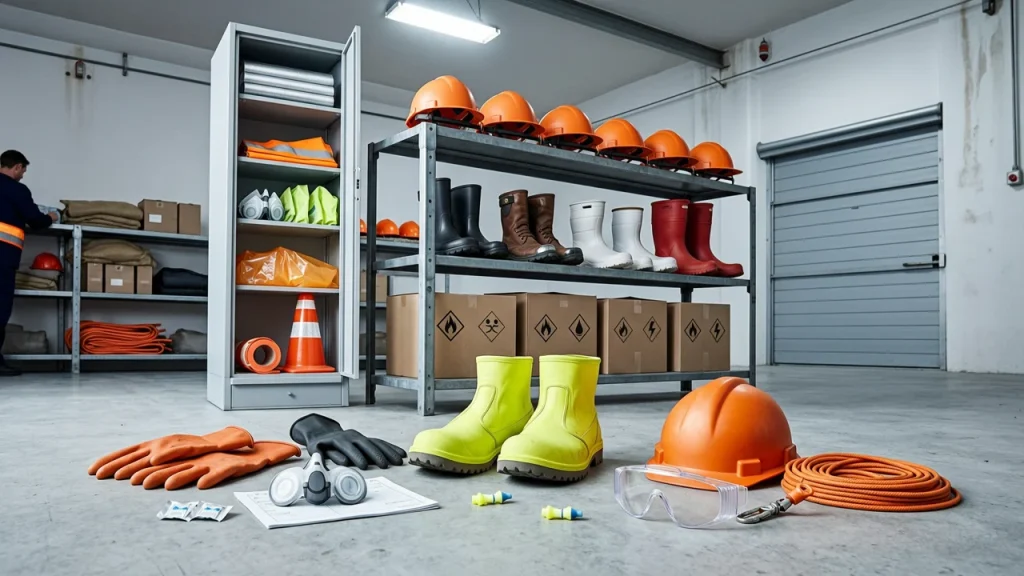
Emergency PPE reserves should not only meet quantity standards but also emphasize effectiveness. Enterprise procurement and safety teams should establish dynamic management ledgers and regularly check the shelf life and performance status of stocked PPE. Set safety stock warnings for consumable materials to ensure that rescue personnel can obtain reliable protection during emergencies.
Resilience to natural disasters depends on more than emergency plans. Organizations should integrate PPE management into disaster-preparedness planning, identify hazards early, maintain appropriate emergency stocks, and apply strict site controls to protect frontline personnel.
News source:Ministry of Emergency Management of the People's Republic of China, 2026-08-14: "The Office of the National Disaster Prevention, Mitigation and Relief Committee and the Ministry of Emergency Management Release the National Natural Disaster Situation for July 2026, 2026-08-14 16:05". This article only interprets PPE knowledge based on public news topics.