Poisoning Incident Review: Why Respiratory Protection on Site Must Be Reassessed

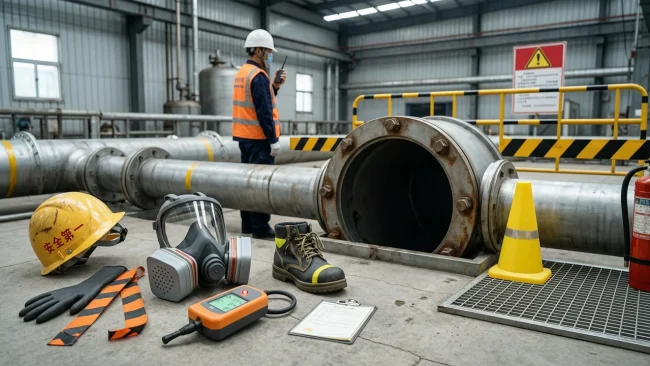
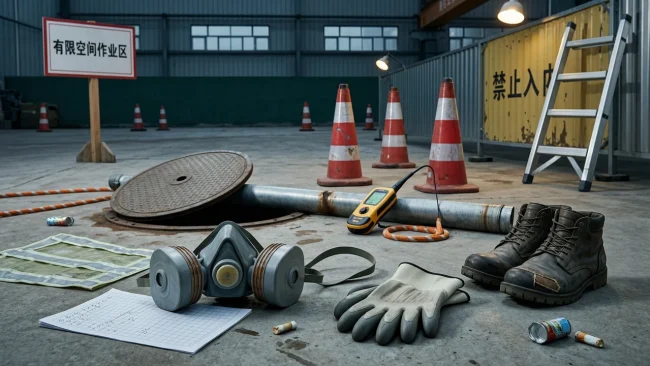
A poisoning accident in Chaoyang, Liaoning, that killed 3 people once again reminds companies to pay attention to respiratory protection in confined spaces and temporary operations. The article points out that poisoning risks often stem from the lack of a closed loop among work permits, gas testing, on-site supervision, ventilation and purging, and personal protective equipment; the selection of respiratory protection must take into account the working environment, the form of pollutants, and the intensity of exposure, and must be accompanied by training and on-site implementation so that protection does not become a mere formality.

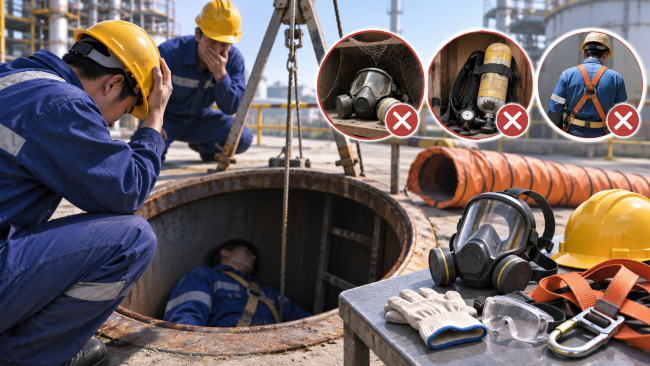
What PPE management misconceptions are exposed by confined space poisoning and asphyxiation accidents?

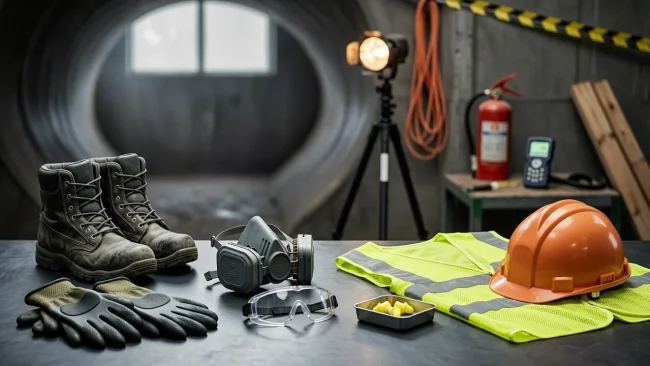
Regarding a relatively serious poisoning and asphyxiation accident in Qingzhen, Guiyang, the article reviews PPE management pitfalls in confined space operations, highlighting that ordinary masks cannot be relied upon to handle unknown concentrations or oxygen-deficient environments, and that blind rescue easily expands casualties. The article recommends that enterprises select respiratory protection based on hazard identification and establish fit management, training, and emergency drills.

Behind the Risks of Coal Mine Operations: Which On-Site Details Matter in PPE Procurement

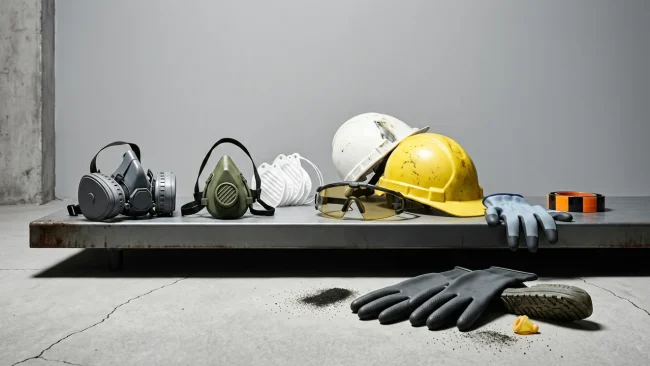
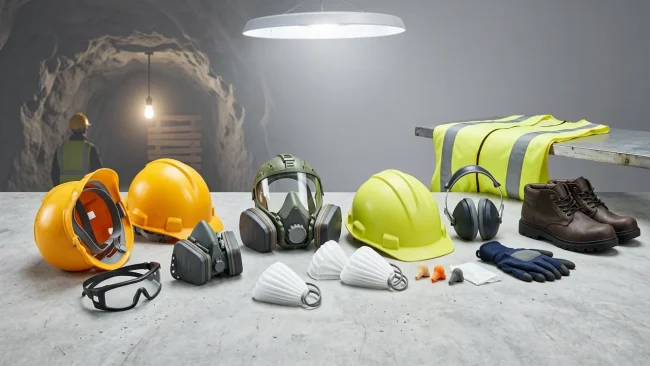
Multiple risks coexist in coal mines, including dust, noise, narrow passages, confined-space gases, and humid environments. PPE procurement should first establish a task-based risk inventory and then match on-site requirements. Focusing on head, hearing, and respiratory protection, this article analyzes details such as safety helmet fit and comfort, the combination of earplugs and earmuffs based on noise and communication needs, and respirator filter types and fit testing, while emphasizing the establishment of rules for issuance, inspection, cleaning, and disposal so that protection choices are grounded in real risks.

After a Coal Mine Shutdown: How to Fill the Gaps in Underground Risk Control and Personal Protection?

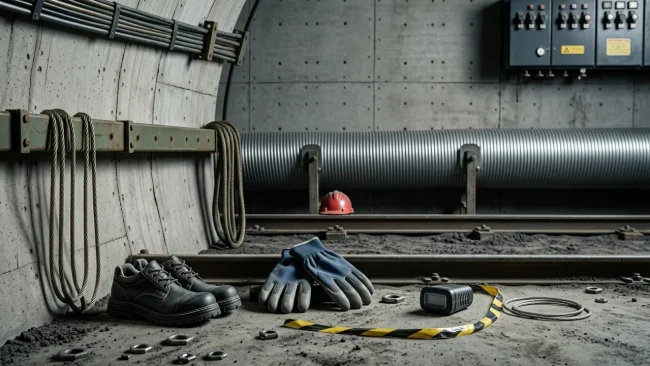
After a coal mine in Shanxi was shut down due to a work safety accident, on-site risk control became the focus. Centered on the combined risks of roof, dust, noise, ventilation, and transport, this article discusses the configuration and wear checks of head, hearing, and respiratory protection in scenarios such as roadways and maintenance, emphasizing that personal protective equipment should serve as the last line of defense after engineering controls and administrative controls, and recommending that personnel retraining, equipment interlock restoration, and work permit review be implemented before resuming operations.

What are common misconceptions in mine PPE configuration under roof-fall risks?

Mine roof-fall accidents are the result of the combined effects of roof conditions, support, the working environment and personnel behavior. The article points out that PPE cannot prevent roof collapse, nor can it replace support and monitoring, but it can reduce impact, dust and noise injuries. A common misconception is to treat PPE as “safe as long as you have it,” with respiratory protection that is “provided but not worn, or worn incorrectly,” and hearing protection that lacks tiered configuration according to noise exposure levels. It is recommended to first conduct job-based risk identification, develop a checklist-based, scenario-based configuration, and check whether PPE truly becomes part of the work process.

After the gas tunnel hazard interview, at which levels should PPE management begin?

Multiple units at a gas tunnel were summoned for talks due to major accident hazards, exposing whether the “people, equipment, environment” management loop is closed in high-risk operations. Drawing on this incident, the article analyzes tunnel PPE management across three layers—head, respiratory, and hearing protection—emphasizing that selection should match on-site risks, that wearing and maintenance must be implemented, and that PPE is a supplement rather than a substitute, requiring integration with engineering and management measures such as ventilation, testing, permits, and training.

Why can't PPE management at mining sites stop at ‘issuing it and calling it protection’?

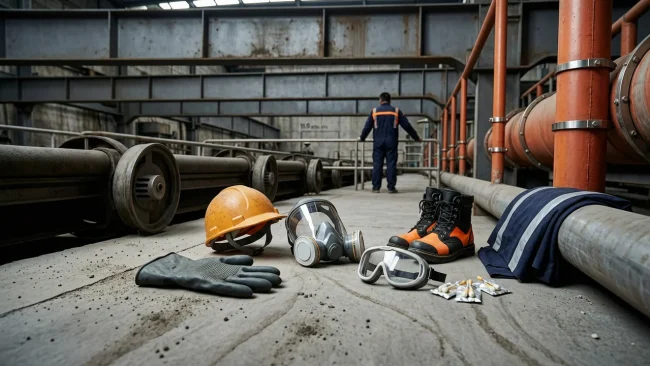
A recent safety accident at a mining subsidiary caused 1 death; accident details are subject to the official notification. The article notes that risks such as dust, noise, mechanical injury, and confined spaces often coexist in mines and workshops and change with temporary operations such as maintenance and hot work, and that PPE is only the last line of defense. The key to on-site management lies in “knowing how to wear it, wearing it correctly, and wearing it consistently,” and in establishing mechanisms for replacing damaged equipment immediately and periodic replacement; training must not stop at signature confirmation, and new employees, temporary workers, contractors, and rotated personnel must also be held to the same standard.