What PPE management misconceptions are exposed by confined space poisoning and asphyxiation accidents?

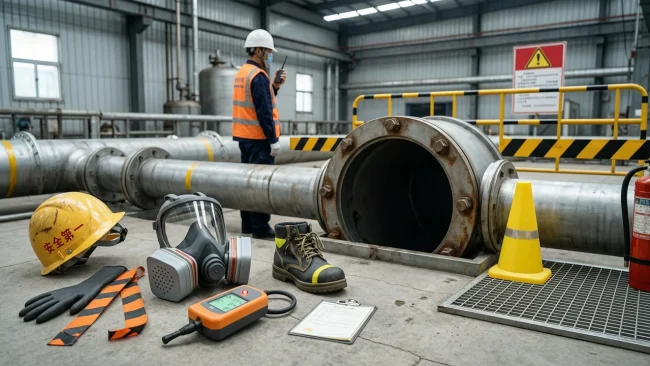
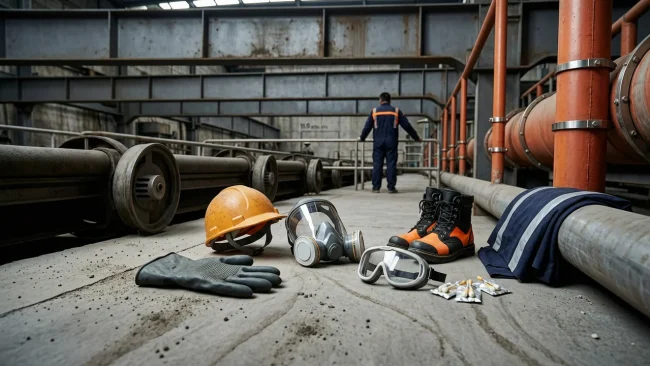
Regarding a relatively serious poisoning and asphyxiation accident in Qingzhen, Guiyang, the article reviews PPE management pitfalls in confined space operations, highlighting that ordinary masks cannot be relied upon to handle unknown concentrations or oxygen-deficient environments, and that blind rescue easily expands casualties. The article recommends that enterprises select respiratory protection based on hazard identification and establish fit management, training, and emergency drills.

Why do PPE risks tend to resurge in factories after the holiday break?

After the holiday break, personnel attention, site order and the condition of protective equipment need to be readjusted, and safety managers should treat the restart of work as a risk re-identification. Focusing on head, hearing and respiratory protection, the article reminds readers to pay attention to helmet cleaning and chin straps, correct wearing of earplugs, and exposure changes caused by dust and chemical odors during work; it also recommends that companies take stock of PPE inventory and suitability, and incorporate inspections into pre-shift meetings.

Warning from a Major Vessel Explosion Accident: How to Build a Closed Loop of Protection and Response in High-Pressure Workshops?

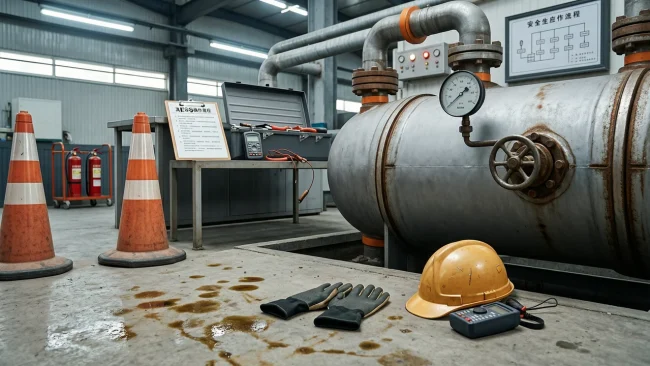
Focusing on the investigation report of the Baogang Rare Earth “1·18” major vessel explosion accident, the article suggests that plant EHS should review the risks of pressure vessels, process abnormalities and on-site management. The main text emphasizes linking process parameters, interlock status, inspection records and operation permits into a traceable control chain, re-evaluating PPE configuration for head, hearing and respiratory protection according to job risks, and establishing a “risk—job—PPE—training—replacement cycle” ledger.

Why hasn't hazardous work training reached the front line?

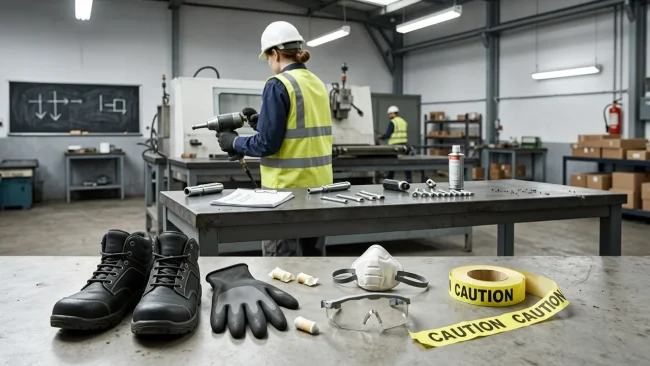
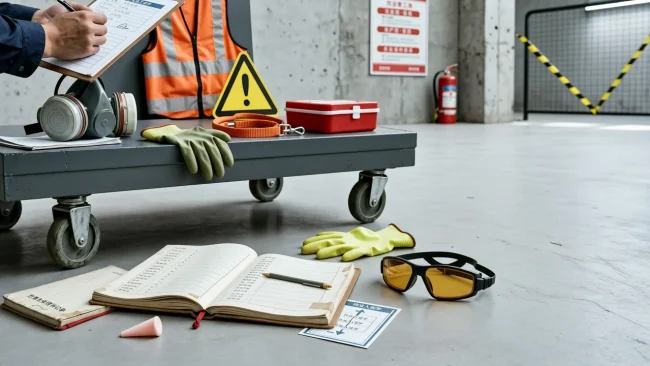
Hazardous-operation training at factories often stops at discussing risks and does not extend to pre-task checks, leading personnel to miss protective equipment, misjudge the environment, or skip confirmation steps. The article notes that risks arise from the combination of environment, tools, personnel condition, and communication; training should clearly define the judgment boundaries for stopping work, and it recommends using pre-task briefings to confirm risks, protection, and abnormal-situation handling, incorporating protective equipment provisioning into training management, and verifying whether training takes hold by observing behavioral changes.

Why can't PPE management at mining sites stop at ‘issuing it and calling it protection’?

A recent safety accident at a mining subsidiary caused 1 death; accident details are subject to the official notification. The article notes that risks such as dust, noise, mechanical injury, and confined spaces often coexist in mines and workshops and change with temporary operations such as maintenance and hot work, and that PPE is only the last line of defense. The key to on-site management lies in “knowing how to wear it, wearing it correctly, and wearing it consistently,” and in establishing mechanisms for replacing damaged equipment immediately and periodic replacement; training must not stop at signature confirmation, and new employees, temporary workers, contractors, and rotated personnel must also be held to the same standard.

Why can't PPE replace engineering controls during on-site inspections at chemical plant facilities?

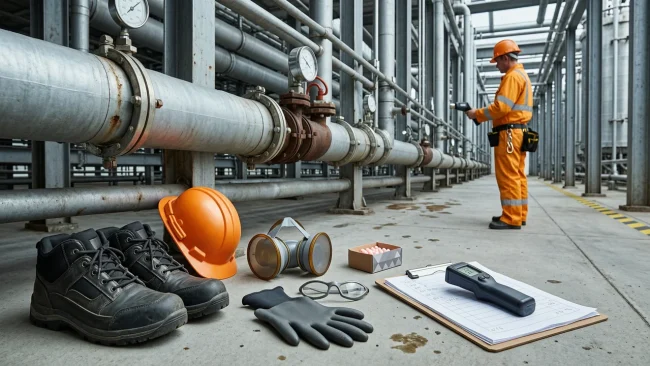
During inspections of chemical plants, PPE is often mistakenly treated as a universal barrier. The article points out that head, hearing, and respiratory protection are most easily overlooked, but PPE can only reduce the consequences of exposure and cannot replace engineering and management measures such as ventilation, interlocks, isolation, and testing. Selection should be based on the work scenario, exposure duration, and comfort; on-site training, inspection, and maintenance must also be implemented, and PPE should be incorporated into layered risk control.

Why PPE for work near explosion-proof electrical equipment cannot be configured the same as for an ordinary workshop

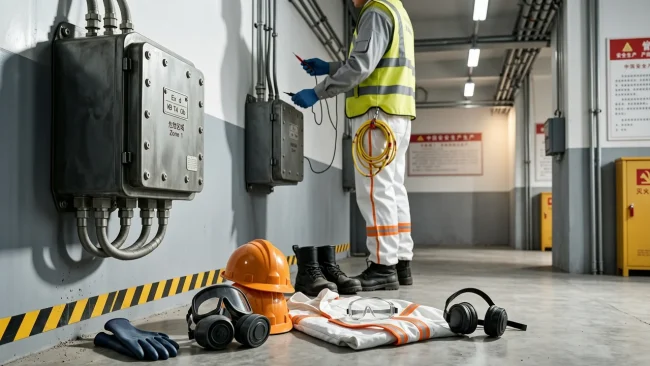
The article points out that in scenarios such as chemicals, oil and gas, and dust processing, the risks of working around explosion-proof electrical equipment are not limited to ignition sources but also include energy control, environmental exposure, and emergency response. Ordinary labor protection cannot replace lockout/tagout, gas detection, and monitoring systems; PPE must be configured according to differences in job exposure and incorporated into work permits and pre-shift meeting inspections.

PPE Misconceptions in Confined Space Operations: Being Fully Equipped Does Not Mean You Can Enter

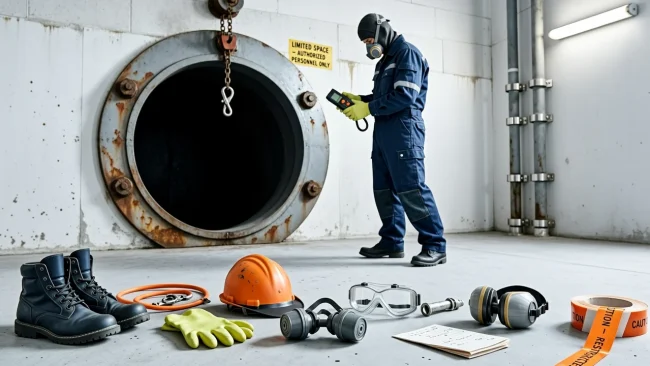
Addressing the PPE misconception in confined space operations that “full PPE means you can enter,” the article points out that the first step is to determine whether entry is necessary and whether alternatives exist, and only then configure equipment. It emphasizes prioritizing respiratory risks: ordinary masks cannot cover oxygen deficiency and toxic gases, and respiratory protection must be selected in conjunction with gas detection and ventilation. Procurement and management can verify along three lines—environmental risk, work movements, and evacuation routes—and should pay attention to the compatibility and quick donning/doffing of the complete equipment set in narrow spaces.

The bottom line and management approach for personal protection in high-risk operation scenarios involving special equipment

The article focuses on personal protection in high-pressure, high-temperature and working-at-height operations involving special equipment, noting that once boilers, pressure vessels, lifting machinery and similar equipment malfunction, secondary risks such as flying debris or falling heavy objects often follow. The article explains the role of head protection, respiratory protection and hearing protection at inspection and maintenance sites, and recommends that enterprises select equipment based on hazard identification results, verify equipment qualification and certification, and regularly update their selection catalog.