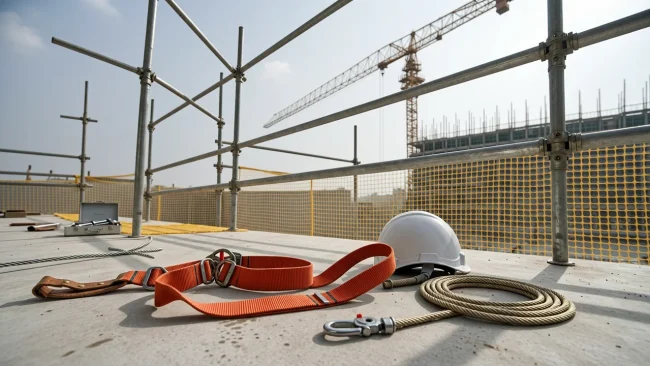
When implementing a specialized high-altitude work plan, what misconceptions should be avoided in on-site fall protection management?

The article focuses on the on-site implementation of special work-at-height plans, noting that some enterprises emphasize plan preparation while neglecting process supervision, resulting in a disconnect between plans and the worksite. To achieve a closed-loop approach to fall prevention management, it is necessary to implement work permits, dedicated supervision, and emergency rescue preparedness, scientifically select equipment such as full-body safety harnesses, shock-absorbing lanyards, and self-retracting fall arresters according to the working environment, strengthen personnel training and pre-use inspections, and deeply integrate special plans with equipment management.
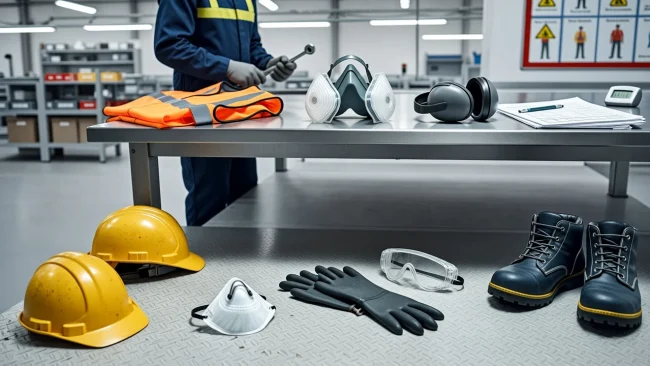
As Work Safety Month approaches, how can factory PPE on-site management avoid being a mere formality?

As the 2026 Work Safety Month approaches, this article raises a warning about on-site PPE management in factories: companies often focus on compliant procurement while neglecting employees' wearing experience, causing protective equipment to be removed in violation of rules due to heat, stuffiness, and communication difficulties. Taking head, hearing, and respiratory protection as examples, the article recommends balancing breathable design, noise reduction versus communication, and respiratory resistance matched to work intensity during selection, and calls on EHS managers to listen to frontline feedback so that employees willingly wear PPE correctly.

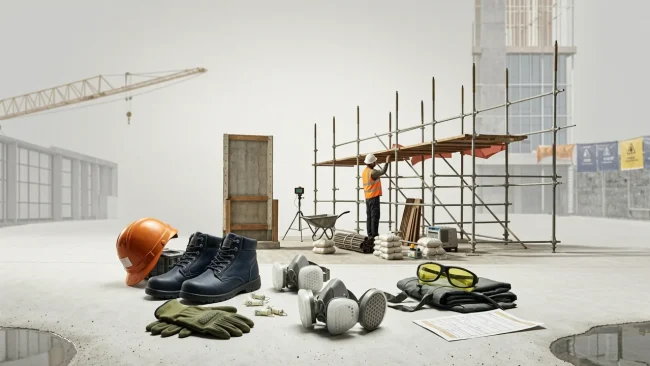
Construction environments are complex and ever-changing; what should frontline PPE selection and on-site management focus on?

Cross-operation is frequent on construction sites, where risks such as falling objects, mechanical injuries, dust and noise are intertwined. Focusing on safety helmets, hearing protection and respiratory protection equipment, this article explains that companies should select equipment according to the types of on-site hazards and supervise its correct use, while establishing a full life-cycle management process covering needs assessment, procurement acceptance, and disposal and replacement.

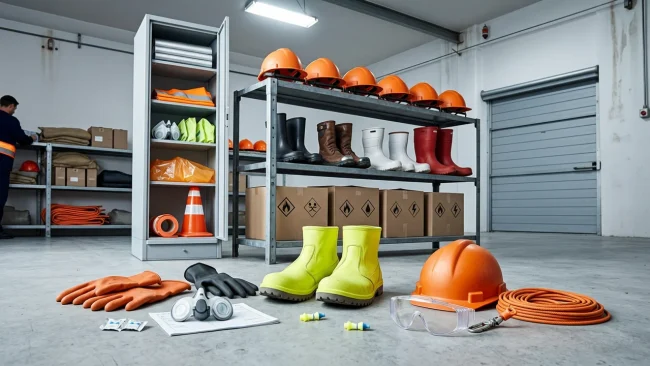
Key Points for Enterprise Emergency Rescue PPE Stockpiling and On-site Management During the High-Frequency Disaster Season

The Ministry of Emergency Management released national natural disaster information, noting that extreme weather and flooding during the flood season affect production and daily life. Focusing on secondary risks in post-disaster repair and reconstruction, the article explains respiratory protection selection for dredging and disinfection operations, head protection requirements at post-disaster sites, and key points for dynamic ledgers and inventory warning management of PPE reserves.

What misunderstandings should be avoided in on-site PPE provision and management for industrial and trade enterprises implementing work safety tips?

Following the Ministry of Emergency Management's work safety notice for industrial and trade enterprises, this article interprets the on-site provision and management of personal protective equipment, noting that some enterprises mistakenly prioritize systems over implementation, such as providing only ordinary safety helmets for head protection without selecting based on impact absorption and puncture resistance performance. The article also addresses hearing protection for noisy processes such as stamping and forging, as well as respiratory protection in dust and harmful gas environments, proposing precise selection based on on-site risks and closed-loop management including gas filter cartridge replacement, mask maintenance and employee training.

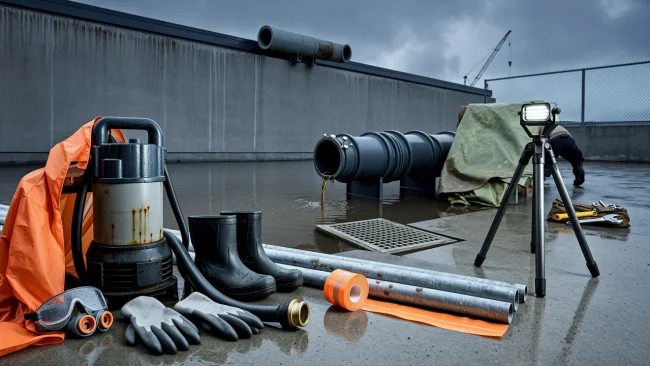
With frequent extreme heavy rainfall, how can enterprises build a reliable protection for flood control and drainage operations?

Recently, many places have experienced extreme heavy rainfall, and the National Disaster Prevention, Reduction and Relief Committee has activated a disaster relief emergency response. Focusing on the safety of flood control and drainage operations, the article introduces the health hazards faced by wading operations, including drowning, slips and falls, impacts, and post-disaster bacteria and mixed sewage, and explains key points for selecting personal protective equipment from the aspects of head, respiratory and hearing protection. It also emphasizes that enterprises need to inventory emergency supplies in advance and organize flood control safety training and emergency drills.

On-site Management: Hazards of Safety Helmets Being "Worn" but Not "Worn Properly"

The article analyzes the hidden risk that on-site safety helmets are “worn but not worn properly,” pointing out that problems such as not fastening the chin strap, a loose chin strap, unauthorized removal of the suspension harness, and failure to replace helmets that are expired or damaged can cause the helmet to come off or fail under impact. EHS managers need to deepen inspections from “whether it is worn” to “whether it is worn correctly” and incorporate this into daily assessments, while procuring qualified products that are breathable and properly fitting to improve compliance.

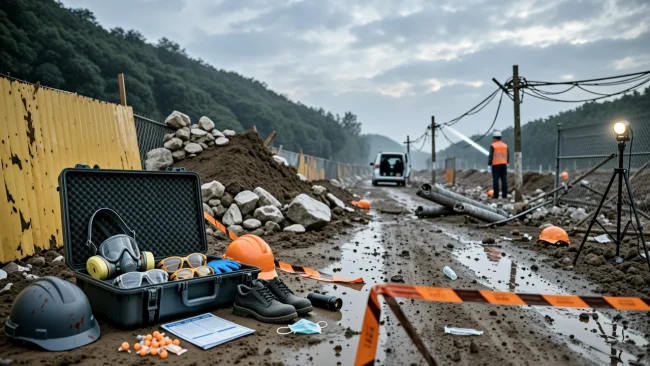
Under geological disaster emergency response, how should on-site EHS management achieve dynamic PPE allocation?

The Ministry of Emergency Management activated a Level IV national geological disaster emergency response for Sichuan, and EHS management at mountain-area work sites and investigation and rescue scenes faces challenges during the flood season. Focusing on risks at geological disaster sites such as secondary collapse, falling rocks, dust and machinery noise, this article explains that enterprises should dynamically adjust the configuration of head, respiratory and hearing protection equipment, establish a dynamic risk assessment mechanism, stockpile protective supplies, and integrate wearing training to put safety management into practice.

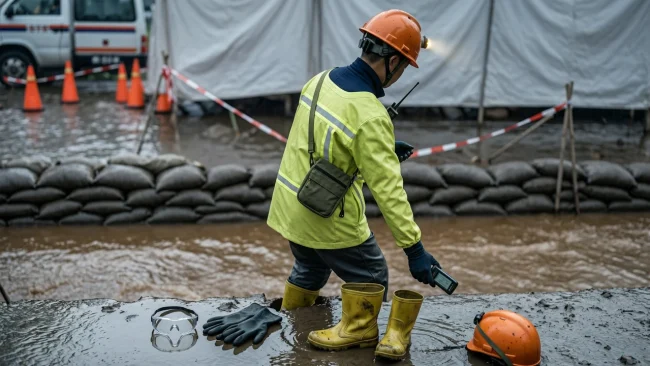
With extreme weather becoming more frequent, how should PPE be selected and managed at flood-control and rescue sites?

A flash flood recently struck a scenic area in Weiyuan County, Dingxi City, Gansu Province. The National Flood Control Office and the Ministry of Emergency Management have continued to coordinate the response and dispatched a working group to the site. Drawing on this incident, the article notes that in flash flood rescue operations, debris such as mud, sand, branches and rocks can cause impacts and secondary injuries. Rescuers must first assess risks and wear compliant equipment, with a focus on protecting the head, respiratory system, face, feet and torso, and must regularly inventory and update flood-control emergency supplies.