After the gas tunnel hazard interview, at which levels should PPE management begin?

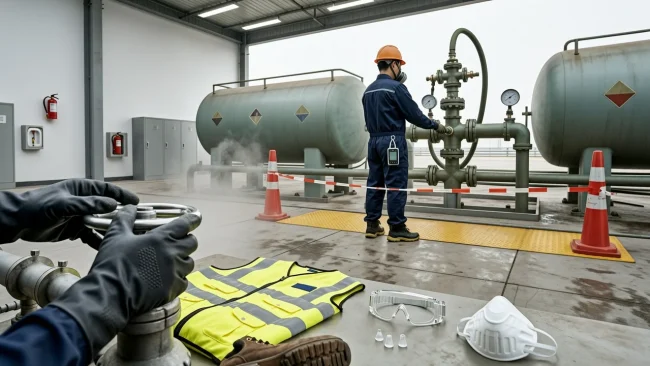
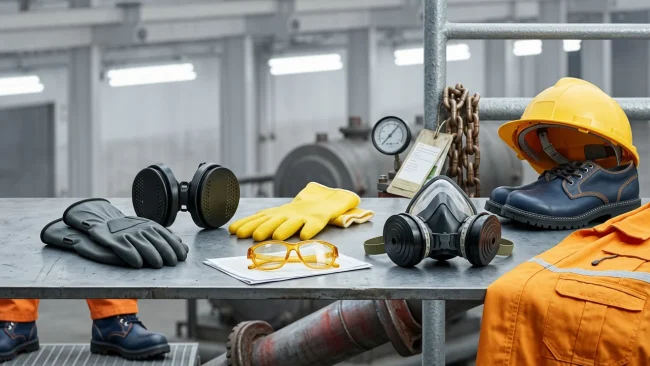
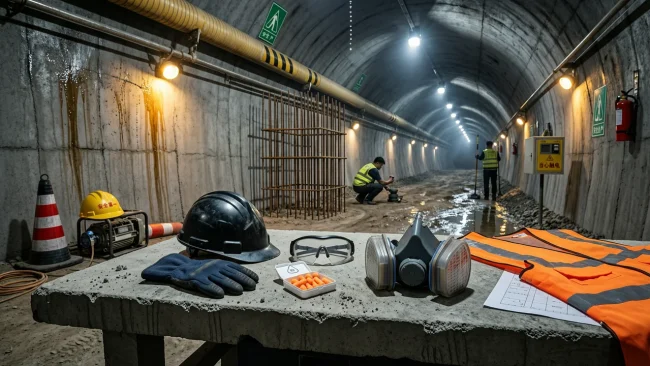
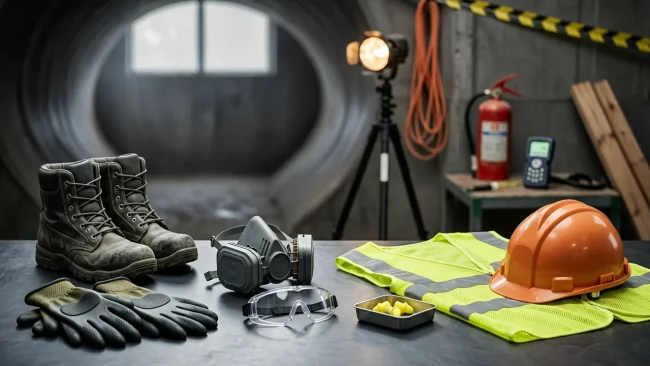
A company was summoned for talks over major hidden hazards in a gas tunnel, a reminder that PPE management must not stop at the distribution level. For high-risk operations such as tunnels and confined spaces, head protection, respiratory protection, and hearing protection should be systematically configured in light of gas, noise, impact, and mechanical injury risks, and integrated into inspection, training, and replacement.
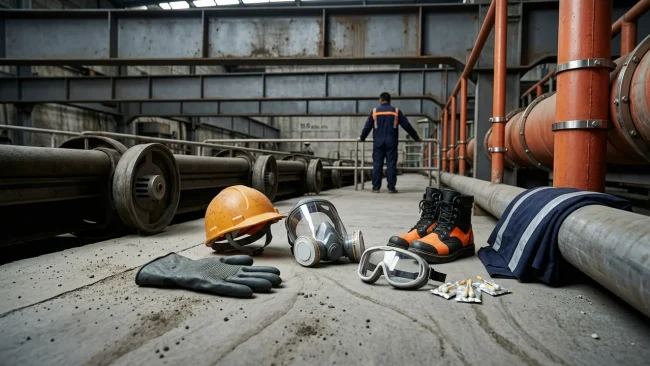
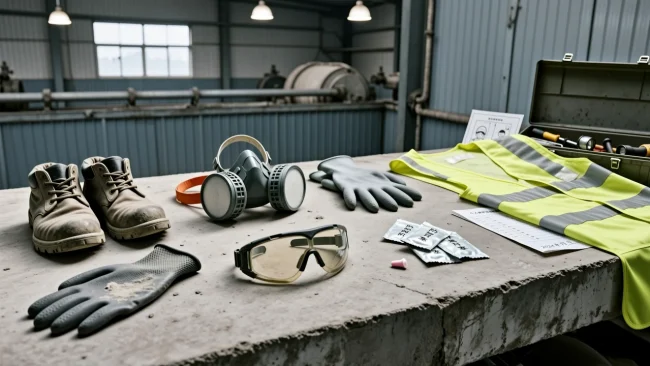
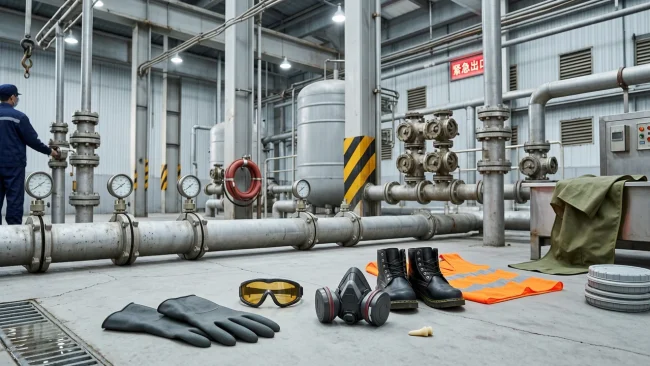
The bottom line and management approach for personal protection in high-risk operation scenarios involving special equipment

Accidents involving special equipment often come with tremendous destructive force. While enhancing the intrinsic safety of the equipment, the personal protective equipment (PPE) of frontline workers serves as the last line of defense against secondary injuries. This article explores PPE selection and on-site management approaches in special equipment scenarios.

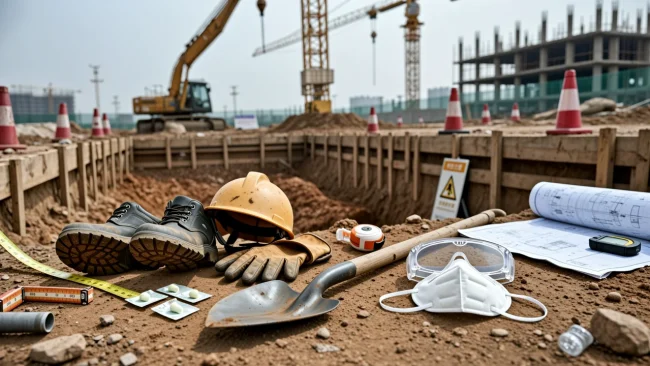
Frequent major accidents in housing and municipal engineering: how can on-site EHS management build a solid protective bottom line?

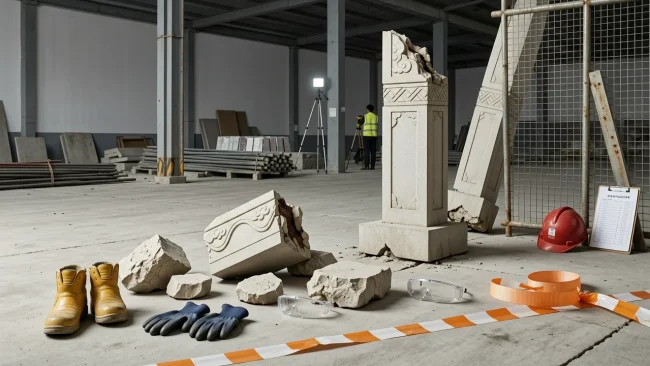
The environment of housing and municipal engineering is complex, and major accidents often stem from the neglect of details. From the perspective of EHS management, this article explores the selection ideas and on-site management key points for head, respiratory, and hearing protection at construction sites, helping enterprises build a solid safety bottom line.

Sudden accident in reservoir tunnel construction: What fatal risks should be watched for in confined space operations underground?

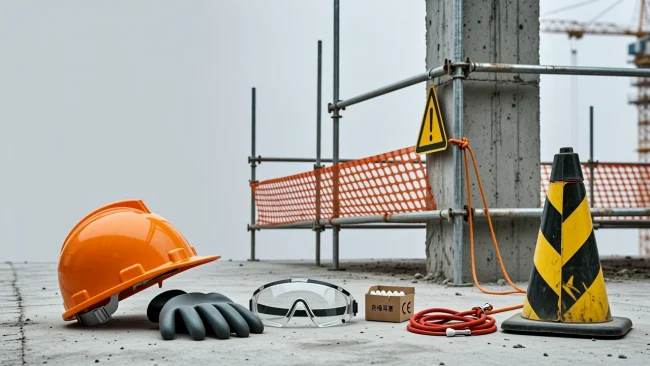
The construction accident in the Shaodong reservoir tunnel in Hunan once again sounds the alarm for safety in underground engineering. From an EHS management perspective, this article analyzes the core risks of tunnel and confined space operations, and discusses PPE selection and on-site management considerations for head protection and respiratory protection.