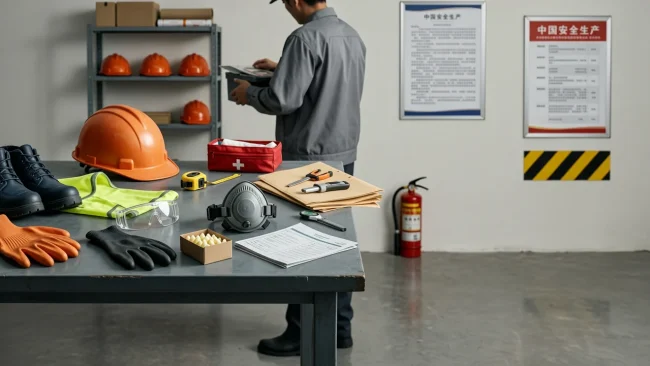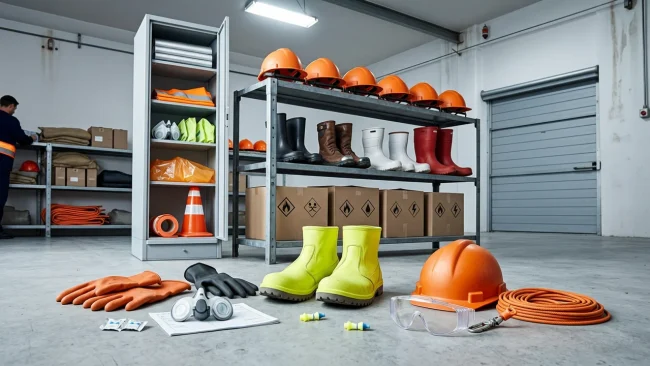
Key Points for Enterprise Emergency Rescue PPE Stockpiling and On-site Management During the High-Frequency Disaster Season

The Ministry of Emergency Management released national natural disaster information, noting that extreme weather and flooding during the flood season affect production and daily life. Focusing on secondary risks in post-disaster repair and reconstruction, the article explains respiratory protection selection for dredging and disinfection operations, head protection requirements at post-disaster sites, and key points for dynamic ledgers and inventory warning management of PPE reserves.
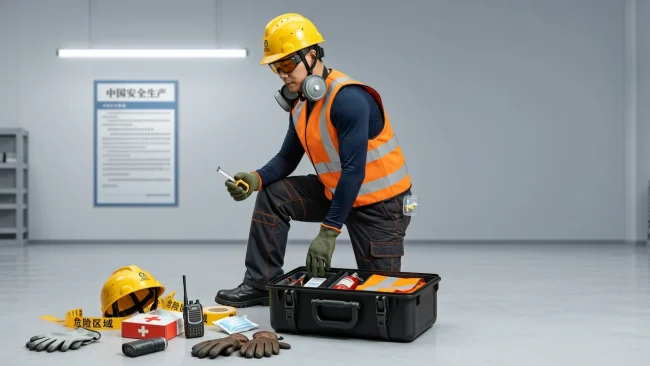
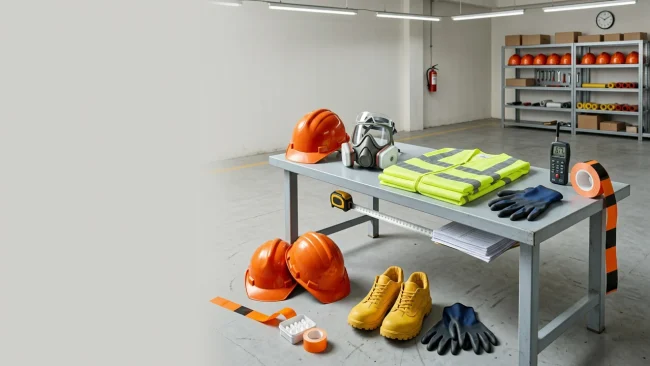
Key Points for the Configuration and Management of Personal Protective Equipment at Natural Disaster Emergency Rescue Sites

Against the news background of the Ministry of Finance and the Ministry of Emergency Management urgently pre-allocating 80 million yuan in central natural disaster relief funds, the article discusses the configuration and management of personal protective equipment at natural disaster rescue sites, introduces key selection points for head, torso, hand and foot protection equipment, and emphasizes that enterprises should establish emergency material ledgers, regularly inspect equipment status, and organize wearing training and emergency drills to reduce operational risks for frontline rescuers.

With frequent extreme weather during the flood season, what key points should enterprises focus on for emergency rescue PPE reserves?

In August, extreme weather such as heavy precipitation, typhoons and high temperatures intertwines, and the Ministry of Emergency Management has issued a risk situation notice requiring enterprises to deploy flood control and disaster relief in advance. Combining scenarios such as outdoor inspections under rainstorms and typhoons, drainage in semi-enclosed spaces such as underground utility tunnels, and noise from drainage pumps and generators, the article explains that rescue and inspection personnel should be equipped with head, respiratory and hearing protection equipment as priorities, and emphasizes the principle of ventilation first, then testing, then operation.

Natural Disaster Management Standards Update: What Misconceptions Should Be Avoided in Emergency PPE Stockpiling and Selection?

A batch of national standards and industry standards in the field of natural disaster damage management has been officially released, putting forward new requirements for enterprise emergency material reserves and on-site safety management. Focusing on post-disaster rescue and cleanup scenarios, the article analyzes the common misconception in PPE selection of discussing protection apart from specific scenarios, explains selection key points respectively for head protection, respiratory protection, and hearing protection, and recommends that enterprises establish a dynamic emergency material management mechanism, regularly check equipment expiration dates and performance status, and carry out wearing training in accordance with standard requirements.

During the flood season, strong convective weather is frequent. What are the blind spots in factory emergency repair PPE reserves?

The Ministry of Emergency Management recently released national natural disaster statistics, showing that severe convective weather such as rainstorms, gales and hail has entered a high-incidence period, and that post-disaster emergency repair work in factories faces secondary risks. Focusing on head, respiratory and hearing protection, the article analyzes PPE management blind spots, including chin straps of safety helmets not being fastened, insufficient mask reserves in dusty and toxic gas environments, and neglected noise protection for water pumps and generators, and recommends that companies establish dedicated PPE ledgers for extreme weather and regularly check the expiry dates and integrity of supplies.