August is a peak period for natural disasters nationwide, with extreme weather events such as heavy precipitation, typhoons, and high temperatures intertwining, posing severe challenges to corporate work safety and on-site management. According to risk situation alerts issued by emergency management departments, enterprises need to deploy flood prevention and disaster relief work in advance, prioritizing the occupational safety and health of frontline personnel.
During heavy rain and typhoon weather, outdoor inspection and post-disaster cleanup operations involve complex working environments. Fallen trees, loosened building components, and slips caused by accumulated water expose on-site inspectors to higher risks of being struck by objects and accidental injuries.
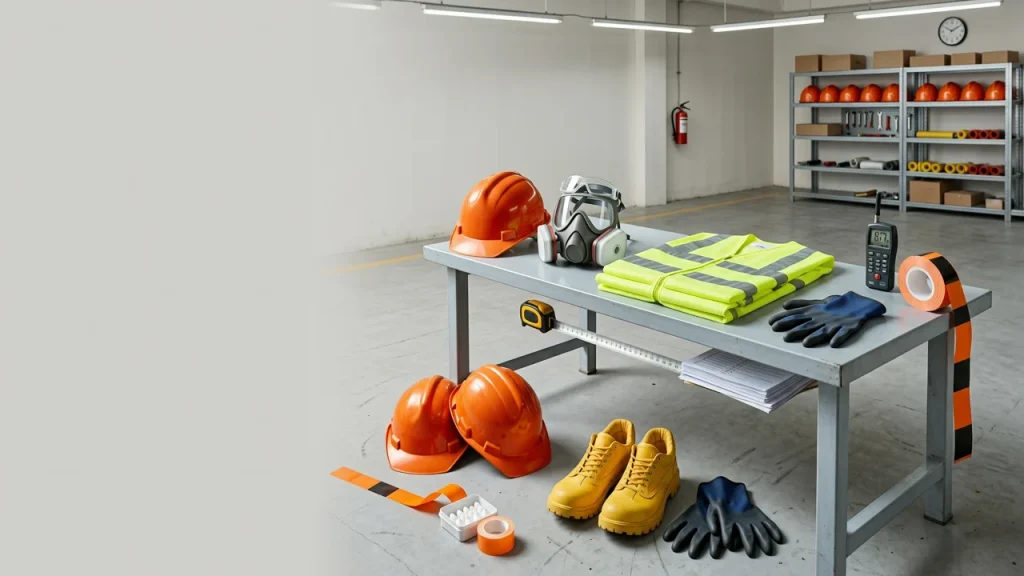
Therefore, during flood prevention emergency response and on-site inspections, head protection must be strictly implemented. Equipping rescue and inspection personnel with compliant safety helmets can effectively cushion the impact force from falling objects or collisions, serving as the fundamental line of defense to ensure the safety of workers' lives.
In addition, flood season drainage often involves operations in semi-enclosed spaces such as underground utility tunnels and sewage pump rooms. After being soaked by accumulated water, these areas are prone to oxygen deficiency or the release of hazardous gases. Coupled with high temperature and high humidity environments, workers face multiple health threats.
For such high-risk scenarios, on-site safety management personnel must strictly implement the principle of 'ventilate first, test second, then work,' and equip personnel entering confined spaces with professional respiratory protection equipment to block the inhalation of harmful gases or aerosols, ensuring respiratory safety.
At emergency drainage sites, the continuous operation of high-power water pumps and generators generates high-intensity noise. With the combined effect of severe weather and mechanical noise, on-site communication becomes difficult, and secondary accidents can easily occur due to the inability to hear safety warnings clearly.
At this point, reasonable hearing protection management is particularly critical. Equipping workers with hearing protection gear with appropriate noise reduction ratings not only protects hearing from permanent damage but also ensures they can clearly receive the team's safety instructions while blocking harmful noise.
Facing complex and ever-changing natural disaster risks, corporate EHS departments should continuously improve emergency response plans and integrate risk-based PPE principles into material reserves. By precisely matching head, respiratory, and hearing protection equipment, they can effectively enhance the safety assurance level of frontline teams in extreme environments.
News source:Ministry of Emergency Management of the People's Republic of China, 2026-08-07: 'Office of the National Disaster Prevention, Mitigation and Relief Committee and the Ministry of Emergency Management Release the National Natural Disaster Risk Situation for August 2026, 2026-08-07 12:00'. This article only interprets PPE knowledge based on public news topics.