



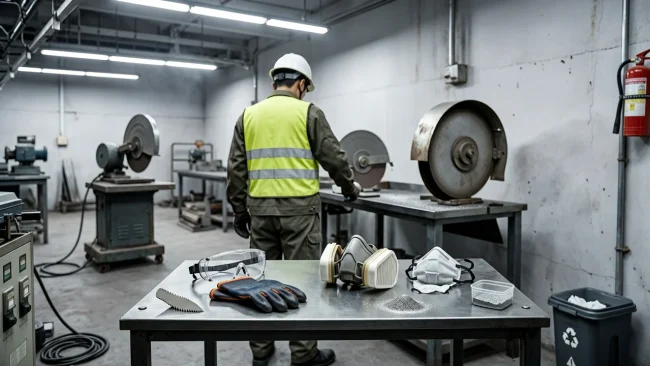
How to Choose Eye and Face Protection for Grinding, Cutting, and Dusty Environments
Starting from splash, dust, and impact risks, this article outlines the approach to selecting eye and face protection and the key points of on-site management.


Starting from splash, dust, and impact risks, this article outlines the approach to selecting eye and face protection and the key points of on-site management.
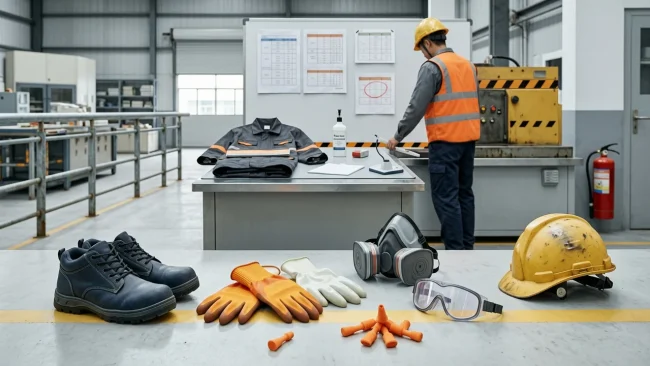
The article points out that factory sites often reduce PPE management to “issuing the equipment,” but selection should first return to the work scenario to identify hazards. Companies need to follow principles such as graded matching, suitability, compatibility and procedures, renewal and training, and evidence documentation, selecting protective equipment based on exposure levels and actual wearing conditions, and establishing inspection, replacement, and disposal mechanisms to create traceable records, so that PPE truly serves risk control.
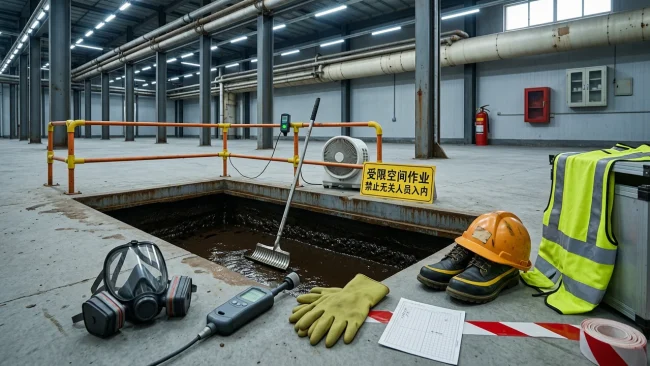
A suffocation incident involving employees of a paper mill in Xinmi City, Henan Province, while clearing sludge from a pulping tank highlights the risks of confined space operations. The article notes that pulping tanks readily accumulate toxic gases such as hydrogen sulfide and can cause oxygen deficiency; before work begins, the space must first be ventilated, then tested, and only then entered. For respiratory protection, isolating equipment such as positive-pressure self-contained breathing apparatus should be selected, as ordinary filter-type gas masks are ineffective. At the same time, dedicated attendants and emergency equipment must be in place, and blind rescue attempts are strictly prohibited.
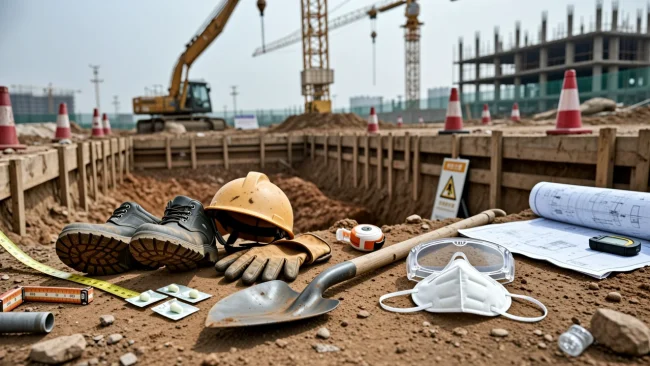
Due to the complex underground environment and strong concealment, excavation work can easily lead to accidents such as soil collapse and pipeline damage. The article points out that in addition to preliminary survey and approval and hard barriers, dust, mechanical noise and falling objects also threaten personnel health. Enterprises should equip targeted PPE such as dust masks, noise-reduction earplugs and safety helmets, and combine on-site management with equipment selection to mitigate the risks of concealed works.
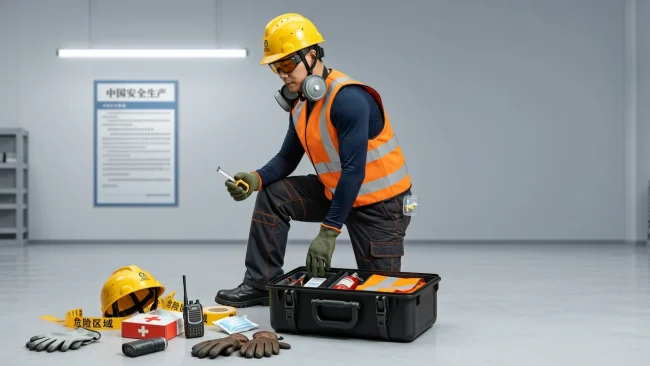
Against the news background of the Ministry of Finance and the Ministry of Emergency Management urgently pre-allocating 80 million yuan in central natural disaster relief funds, the article discusses the configuration and management of personal protective equipment at natural disaster rescue sites, introduces key selection points for head, torso, hand and foot protection equipment, and emphasizes that enterprises should establish emergency material ledgers, regularly inspect equipment status, and organize wearing training and emergency drills to reduce operational risks for frontline rescuers.
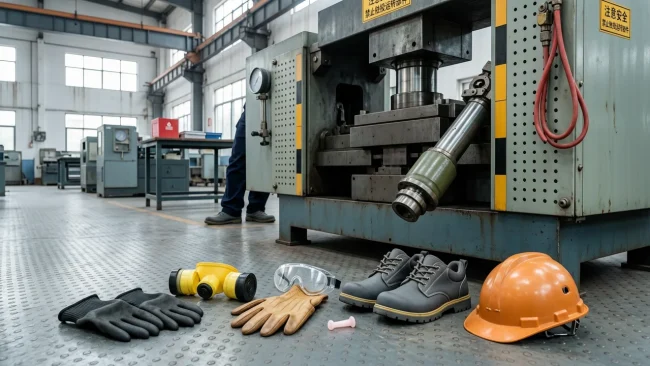
This article addresses the frequent occurrence of machinery-related injury accidents by analyzing hazards such as missing equipment guards, failed safety interlocks, and personnel violations of operating procedures. It emphasizes that workshop floors should prioritize the proper selection and use of PPE, including safety helmets, cut-resistant gloves for machinery hazards, eye and face protection, and hearing protection, and should combine workstation risk assessments with machinery safety training to reduce the risk of injury.

The article focuses on safety helmet selection for industrial sites and discusses the impact of weight on wearing comfort and safety management. The article points out that overly heavy safety helmets increase the burden on the cervical spine and reduce employee wearing compliance, and that lightweighting must rely on material and structural design to ensure protective performance; it also warns against false lightweighting caused by material aging that reduces weight, and recommends that enterprises establish a scientific selection evaluation and regular inspection and scrapping system.

After CCTV aired a program on safety development practices in Yiwu, Zhejiang, the article draws on the characteristics of labor-intensive manufacturing plants—high personnel density and cross-operation among multiple trades—to explore how corporate EHS teams can translate regional safety concepts into standardized workshop operations, focusing on the selection and configuration of personal protective equipment for respiratory, hearing, and head protection, as well as a PPE lifecycle management mechanism covering training, fit testing, and wear-based replacement.
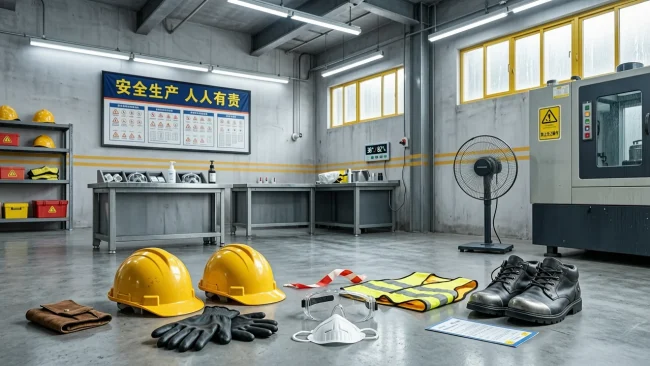
The article focuses on on-site safety management at enterprises around the Dragon Boat Festival holiday, noting that schedule pressure and employee complacency can easily lead to reduced compliance with wearing personal protective equipment, while hot and rainy conditions further increase the risk of unauthorized removal. The article recommends optimizing the selection of respiratory, head and hearing protection equipment to improve comfort, and combining this with pre-holiday special training, hazard identification and on-site inspections to mitigate potential safety risks.

Recently, relevant departments jointly deployed a safety campaign targeting rural commuting and work-related travel during key periods, and corporate EHS managers need to pay attention to commuting and operational risks around factory premises. The article analyzes issues such as mixed pedestrian and vehicle traffic in industrial parks at the urban-rural fringe and weak safety awareness among migrant workers, and recommends incorporating areas around factory premises into safety management, increasing inspections, conducting pre-entry safety briefings, and standardizing the provision of head, hearing, and respiratory protective equipment for auxiliary operations such as loading and unloading, so as to reduce accidents and occupational health risks.