Warning from a Major Vessel Explosion Accident: How to Build a Closed Loop of Protection and Response in High-Pressure Workshops?

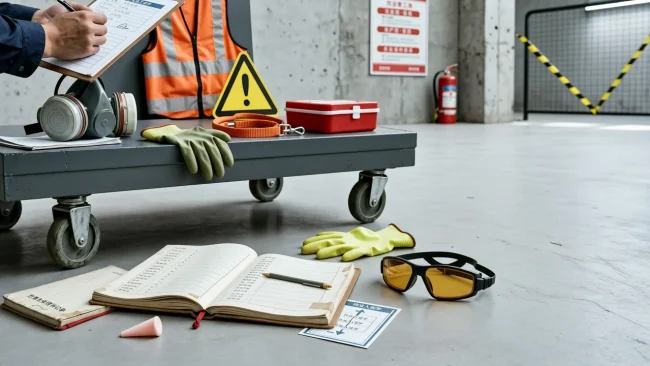
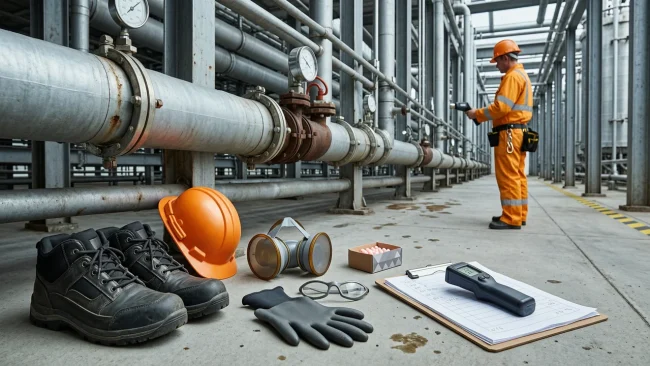
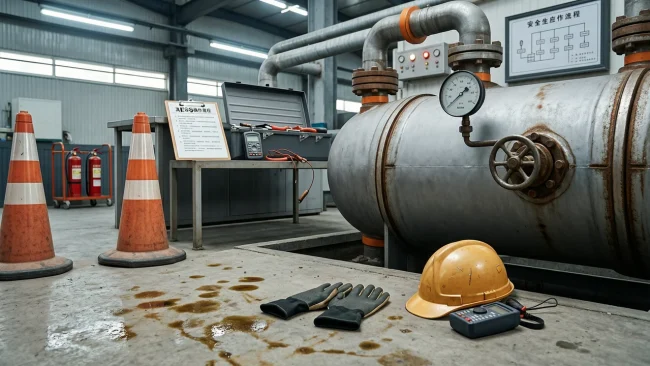
Focusing on the investigation report of the Baogang Rare Earth “1·18” major vessel explosion accident, the article suggests that plant EHS should review the risks of pressure vessels, process abnormalities and on-site management. The main text emphasizes linking process parameters, interlock status, inspection records and operation permits into a traceable control chain, re-evaluating PPE configuration for head, hearing and respiratory protection according to job risks, and establishing a “risk—job—PPE—training—replacement cycle” ledger.
Why job-position checklists for PPE configuration at chemical sites are often insufficient

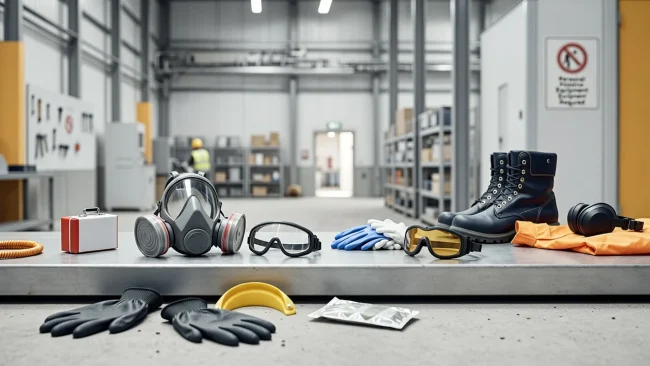
The article points out that chemical companies' fixed PPE configuration by job makes it difficult to cover the rapidly changing exposure risks in operations such as tank cleaning, loading and unloading, and inspection and maintenance. The article recommends incorporating PPE configuration into pre-job risk identification, selecting equipment according to exposure type, duration and environmental conditions, and integrating inspection, training and emergency spares into on-site management.

After the gas tunnel hazard interview, at which levels should PPE management begin?

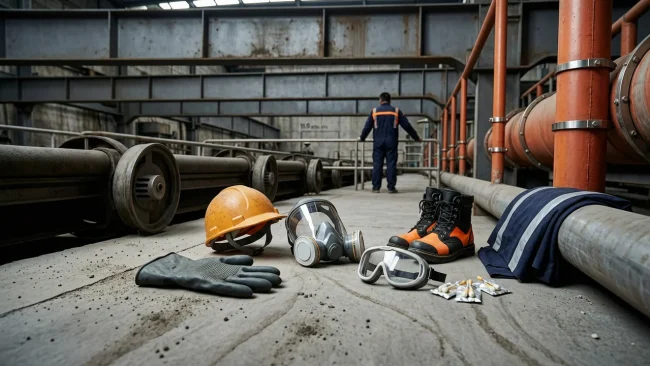
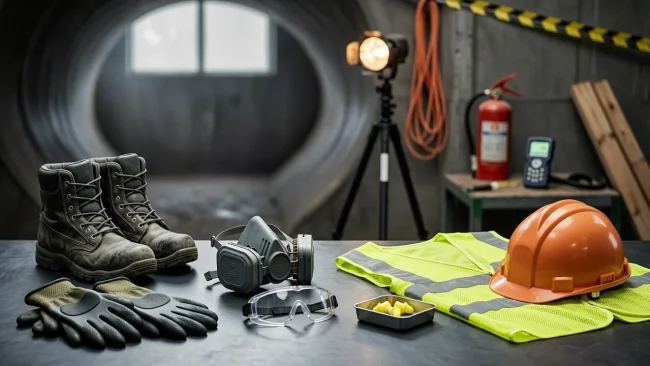
Multiple units at a gas tunnel were summoned for talks due to major accident hazards, exposing whether the “people, equipment, environment” management loop is closed in high-risk operations. Drawing on this incident, the article analyzes tunnel PPE management across three layers—head, respiratory, and hearing protection—emphasizing that selection should match on-site risks, that wearing and maintenance must be implemented, and that PPE is a supplement rather than a substitute, requiring integration with engineering and management measures such as ventilation, testing, permits, and training.

Why hasn't hazardous work training reached the front line?

Hazardous-operation training at factories often stops at discussing risks and does not extend to pre-task checks, leading personnel to miss protective equipment, misjudge the environment, or skip confirmation steps. The article notes that risks arise from the combination of environment, tools, personnel condition, and communication; training should clearly define the judgment boundaries for stopping work, and it recommends using pre-task briefings to confirm risks, protection, and abnormal-situation handling, incorporating protective equipment provisioning into training management, and verifying whether training takes hold by observing behavioral changes.

Behind the eight major hazards in industrial and trade enterprises, why is PPE always one step short?

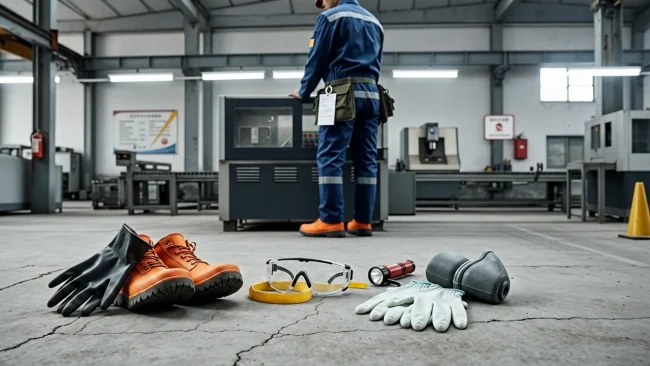
Centered on eight major hazardous scenarios in industrial and trade enterprises—machinery, electrical, work at height, poisoning and asphyxiation, dust, and noise—the article points out that if procurement and safety management personnel understand protection merely as “buying a few items,” it easily leads to insufficient or mismatched protection; risk identification should be refined down to job actions and operational stages. The article recommends establishing PPE lists by position, focusing on selection points such as respiratory filter suitability and fit, continuous wearing of hearing protection, and impact resistance of head protection, and incorporating wearing experience and inspection/maintenance into on-site management.

Why can't PPE management at mining sites stop at ‘issuing it and calling it protection’?

A recent safety accident at a mining subsidiary caused 1 death; accident details are subject to the official notification. The article notes that risks such as dust, noise, mechanical injury, and confined spaces often coexist in mines and workshops and change with temporary operations such as maintenance and hot work, and that PPE is only the last line of defense. The key to on-site management lies in “knowing how to wear it, wearing it correctly, and wearing it consistently,” and in establishing mechanisms for replacing damaged equipment immediately and periodic replacement; training must not stop at signature confirmation, and new employees, temporary workers, contractors, and rotated personnel must also be held to the same standard.

What are the commonly underestimated safety risks at welding sites?

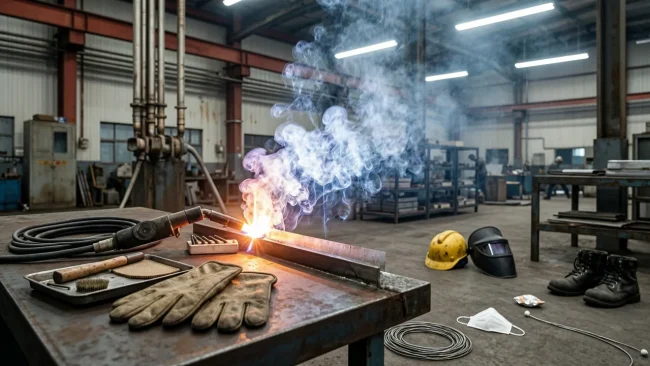
In welding operations, surrounding risks such as arc light, fume, and noise are easily underestimated. The article points out that fume is more insidious than arc light, and long-term exposure may affect the respiratory system; when ventilation is insufficient or materials are complex, the composition is more complex; arc light protection requires assessment combined with process and distance; noise comes from the superposition of multiple devices, and hearing protection should focus on wearing method and compliance rate. Procurement should configure respiratory, facial, and hearing protection by position, and on-site management should check in three stages: before, during, and after the task.

Why can't PPE replace engineering controls during on-site inspections at chemical plant facilities?

During inspections of chemical plants, PPE is often mistakenly treated as a universal barrier. The article points out that head, hearing, and respiratory protection are most easily overlooked, but PPE can only reduce the consequences of exposure and cannot replace engineering and management measures such as ventilation, interlocks, isolation, and testing. Selection should be based on the work scenario, exposure duration, and comfort; on-site training, inspection, and maintenance must also be implemented, and PPE should be incorporated into layered risk control.

After accident classification, why does factory PPE configuration still need recalibration

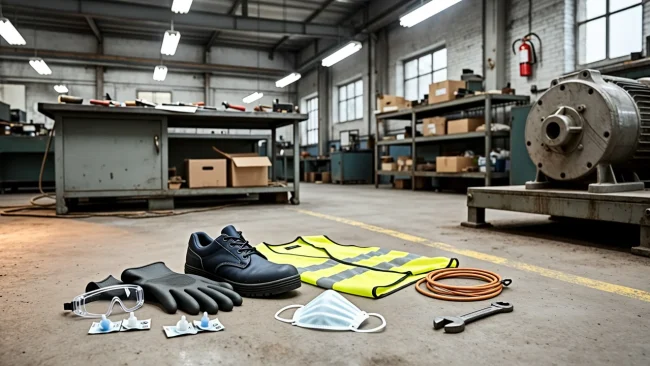
The article integrates the topic of production safety accident classification to discuss how factories can recalibrate PPE configurations according to actual scenarios. It points out that risks differ across welding, grinding, work at height, and confined space inspections; purchasing uniformly based on general labor protection supplies can easily lead to insufficient or excessive protection. Head, respiratory, and hearing protection need to be evaluated in conjunction with job risks, wearing experience, and replacement management, and it is recommended to establish PPE checklists by scenario to avoid inventory waste.

The Right Way to Learn from Incident Lessons: From Review to a Closed Loop of Protection

The article points out that the true value of accident notifications lies in the details of risk exposure; reviews should first reconstruct the work scenario and determine whether the gap lies in management, inadequate engineering controls, or personal protection issues. The article recommends breaking lessons into actionable steps, involving procurement in the selection of protective equipment, and forming a closed loop of EHS inspections and pre-shift meeting reminders, turning a single injury into a replicable prevention mechanism.