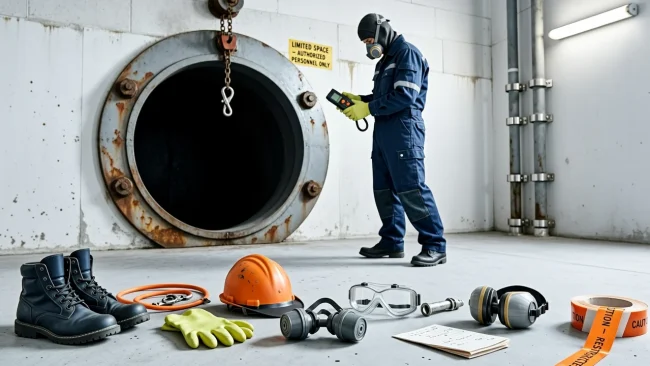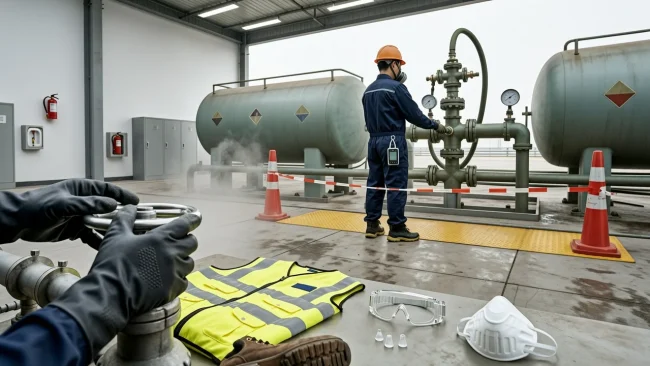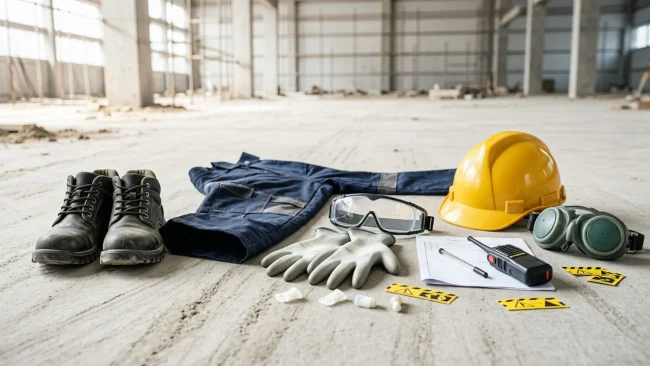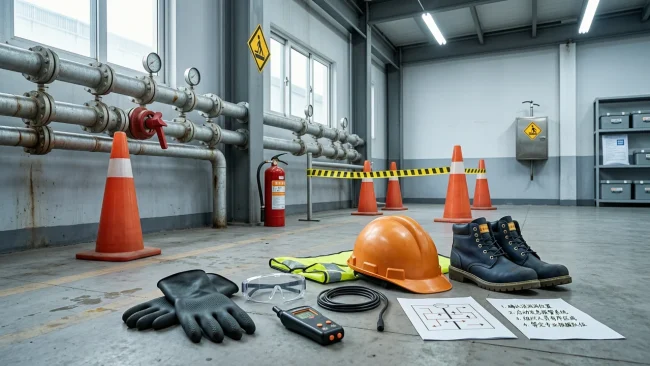
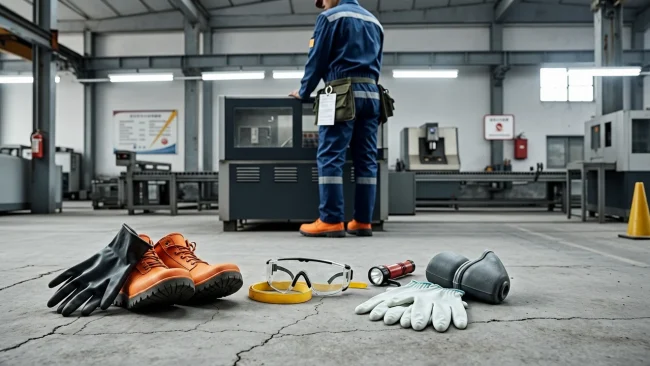
The post-disaster reconstruction site environment is complex. How should rescue and inspection personnel protect themselves?

Central allocation of disaster relief supplies supports the affected areas in Hebei and Henan, where the post-disaster reconstruction sites are complex. This article starts from risk observation and selection considerations, discussing how rescue and inspection personnel can appropriately equip themselves with personal protective equipment such as head and respiratory protection to ensure on-site operational safety.

Hazards in dust explosion-prone areas are frequent; why do individual protection selections repeatedly fall into pitfalls?

The criteria for determining major accident hazards in industrial and trade enterprises involving combustible dust clearly define the red lines for on-site management. This article, from the perspectives of EHS management and procurement selection, discusses the selection misconceptions and control points for respiratory protection and antistatic equipment in combustible dust environments.

At flood prevention, drainage, and post-disaster reconstruction sites, what protection details should EHS management focus on?

Recently, some regions have activated emergency response for disaster relief, and rescue and post-disaster reconstruction efforts for flood disasters are underway. Facing the complex and ever-changing on-site environment, corporate EHS managers need to focus on head, respiratory, and hearing protection, maintain appropriate stocks of emergency supplies, and build a reliable layer of protection.