Construction environments are complex and ever-changing; what should frontline PPE selection and on-site management focus on?

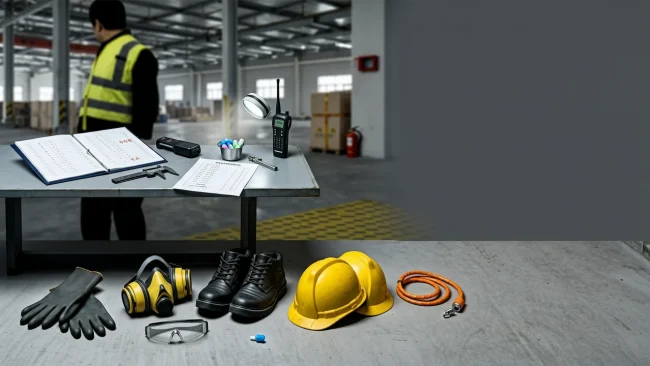
Cross-operation is frequent on construction sites, where risks such as falling objects, mechanical injuries, dust and noise are intertwined. Focusing on safety helmets, hearing protection and respiratory protection equipment, this article explains that companies should select equipment according to the types of on-site hazards and supervise its correct use, while establishing a full life-cycle management process covering needs assessment, procurement acceptance, and disposal and replacement.
Common Safety Hazards at Hydraulic Engineering Construction Sites and PPE Selection and Management Approaches

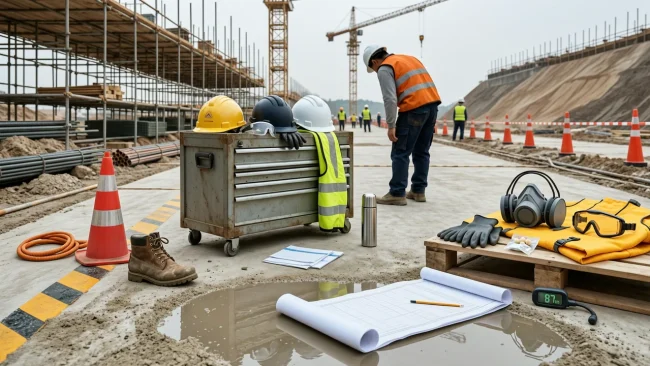
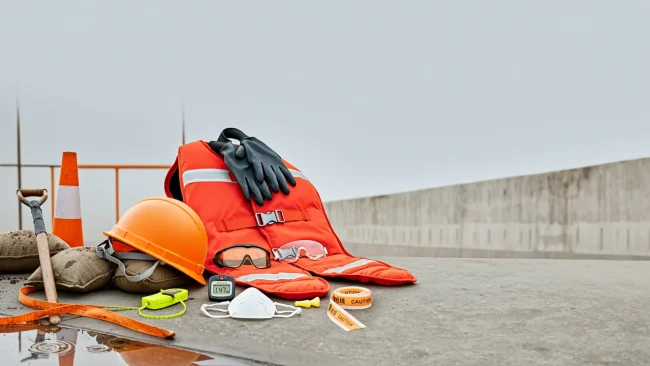
Construction sites for water conservancy projects involve safety hazards such as struck-by objects, falls from height, machinery noise, dust, and hazardous gases. Focusing on scenarios such as slope excavation, dam pouring, and diversion tunnels, the article analyzes key points for selecting head, hearing, and respiratory protection equipment, and proposes that EHS personnel should scientifically match protective equipment and establish a filter replacement system to safeguard workers' safety and occupational health.

The environment at the breach emergency rescue site is complex. What core risks should be considered in the selection of flood rescue PPE?

The Ministry of Emergency Management urgently dispatched engineering rescue forces to Zhoukou, Henan, to deal with the breach of the Jialu River. Based on this emergency scenario, the article analyzes the risks faced by rescuers in fast currents, sewage and complex underwater environments, including impact, cuts, hypothermia and water pollution, and introduces key selection points for safety helmets, emergency protective equipment, water rescue boots and cut-resistant gloves covering head, body, hand and foot protection, reminding EHS managers to evaluate based on actual operations and regularly inspect equipment performance.

From open and secret inspections to on-site management: how can enterprises bridge the last mile of PPE implementation?

CCTV's "Emergency Moments" safety production inspection program exposed problems at the front line such as improper wearing of personal protective equipment and mismatched selection. The article points out that completing PPE procurement and distribution does not equal fulfilling responsibilities; without on-site supervision and guidance, protective equipment becomes ineffective. Therefore, scientific selection must be made at the source according to operational risks, and normalized training, daily inspections and respiratory protection fit testing should be used to ensure PPE is truly implemented on site.

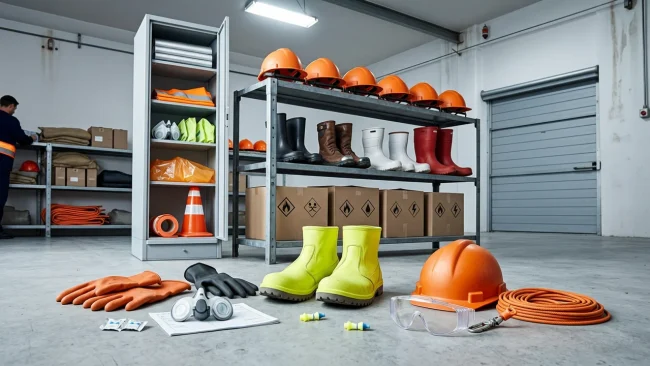
Key Points for Enterprise Emergency Rescue PPE Stockpiling and On-site Management During the High-Frequency Disaster Season

The Ministry of Emergency Management released national natural disaster information, noting that extreme weather and flooding during the flood season affect production and daily life. Focusing on secondary risks in post-disaster repair and reconstruction, the article explains respiratory protection selection for dredging and disinfection operations, head protection requirements at post-disaster sites, and key points for dynamic ledgers and inventory warning management of PPE reserves.

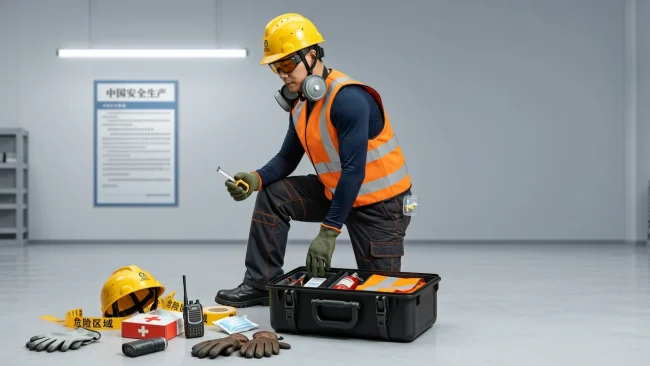
Key Points for the Configuration and Management of Personal Protective Equipment at Natural Disaster Emergency Rescue Sites

Against the news background of the Ministry of Finance and the Ministry of Emergency Management urgently pre-allocating 80 million yuan in central natural disaster relief funds, the article discusses the configuration and management of personal protective equipment at natural disaster rescue sites, introduces key selection points for head, torso, hand and foot protection equipment, and emphasizes that enterprises should establish emergency material ledgers, regularly inspect equipment status, and organize wearing training and emergency drills to reduce operational risks for frontline rescuers.

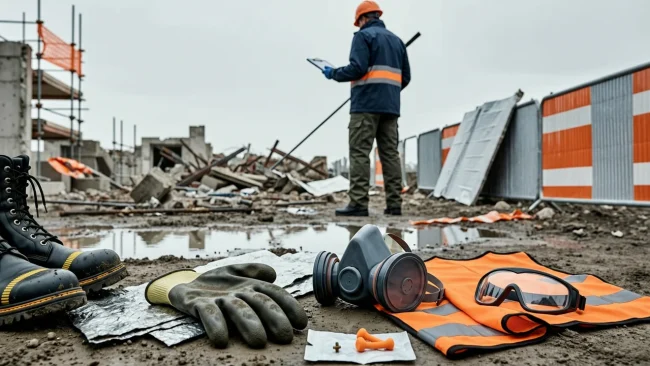
The post-disaster reconstruction site environment is complex. How should rescue and inspection personnel protect themselves?

The state recently allocated central disaster relief materials to support the resettlement of affected people in Hebei and Henan. Focusing on risks at post-disaster cleanup and reconstruction sites, the article explains that rescue and inspection personnel should wear impact-resistant safety helmets and select appropriate respiratory protective equipment, and that enterprise safety managers need to assess risks in advance, designate safe passages and conduct safety briefings.

What misunderstandings should be avoided in on-site PPE provision and management for industrial and trade enterprises implementing work safety tips?

Following the Ministry of Emergency Management's work safety notice for industrial and trade enterprises, this article interprets the on-site provision and management of personal protective equipment, noting that some enterprises mistakenly prioritize systems over implementation, such as providing only ordinary safety helmets for head protection without selecting based on impact absorption and puncture resistance performance. The article also addresses hearing protection for noisy processes such as stamping and forging, as well as respiratory protection in dust and harmful gas environments, proposing precise selection based on on-site risks and closed-loop management including gas filter cartridge replacement, mask maintenance and employee training.

Hazards in dust explosion-prone areas are frequent; why do individual protection selections repeatedly fall into pitfalls?

In hazard inspections of industrial and trade enterprises with combustible dust, companies often focus on dust removal systems and electrical explosion protection, yet easily overlook details of personal protective equipment for personnel. The article points out that the threat of explosive dust has a dual nature of explosion and occupational health; when selecting PPE, in addition to filtration rating, attention must be paid to the antistatic performance of mask materials, and for body protection, qualified antistatic workwear should be selected. In the procurement process, antistatic indicators must be taken as acceptance criteria to cut off the risk of electrostatic ignition.

With frequent extreme heavy rainfall, how can enterprises build a reliable protection for flood control and drainage operations?

Recently, many places have experienced extreme heavy rainfall, and the National Disaster Prevention, Reduction and Relief Committee has activated a disaster relief emergency response. Focusing on the safety of flood control and drainage operations, the article introduces the health hazards faced by wading operations, including drowning, slips and falls, impacts, and post-disaster bacteria and mixed sewage, and explains key points for selecting personal protective equipment from the aspects of head, respiratory and hearing protection. It also emphasizes that enterprises need to inventory emergency supplies in advance and organize flood control safety training and emergency drills.