After an accident at a cement plant, why does PPE procurement always stop at buying everything rather than using it correctly

A safety accident at a cement enterprise in Huizhou, Guangdong, caused 1 death, drawing attention to PPE management in cement plants. The article points out that cement production involves multiple risks such as dust, noise, and mechanical injury, and that PPE is only one link in a multi-layered protection system. Many enterprises stop at purchasing safety helmets, respiratory protection, and hearing protection by position, but lack continuous checks on wearing, fit, damage, and expiration replacement. The article recommends incorporating PPE into risk checklists to form a closed loop of identifying risks, selecting the right equipment, training employees, continuous inspection, and timely replacement.
Suspected Toxic Gas Incident Alert: Is Your Company's Respiratory Protection Prepared?

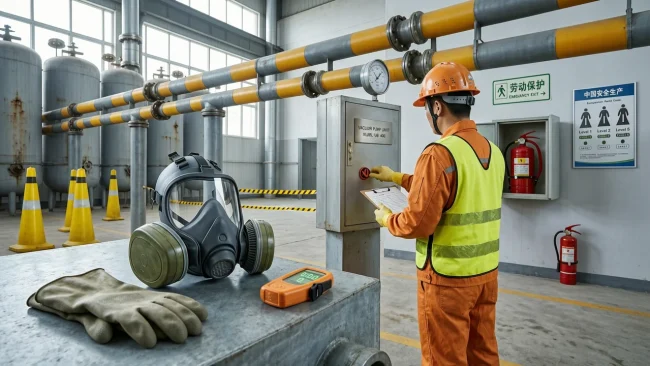
A suspected toxic gas poisoning incident in Hechi, Guangxi, caused casualties, prompting the article to remind factories, warehouses, chemical plants, and other units to include suspected toxic gas scenarios in risk checklists—identify first, then protect. Before entering confined spaces such as pipe galleries, sewage wells, and storage tanks, the risks of oxygen deficiency, toxic gas, and flammable gas should be assessed; entry should be suspended when conditions are unclear. Respiratory protection must be selected according to the scenario; ordinary masks cannot be relied upon in unknown or high-concentration environments, and spare equipment should be kept, inspection records maintained, and emergency drills conducted.

Why PPE for work near explosion-proof electrical equipment cannot be configured the same as for an ordinary workshop

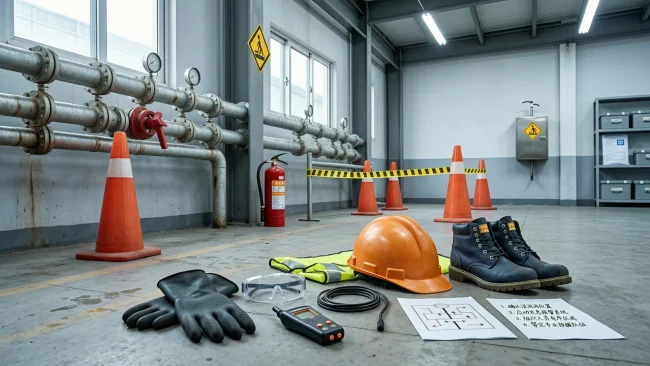
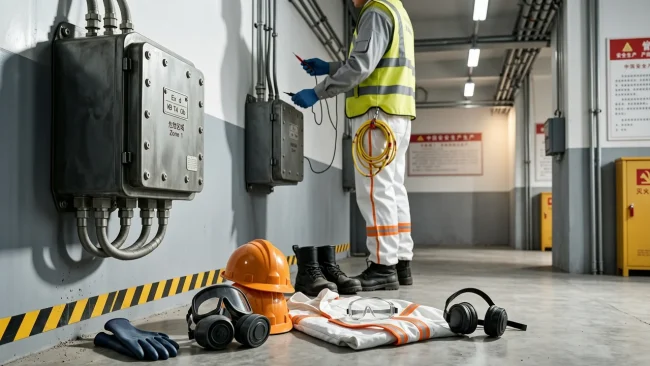
The article points out that in scenarios such as chemicals, oil and gas, and dust processing, the risks of working around explosion-proof electrical equipment are not limited to ignition sources but also include energy control, environmental exposure, and emergency response. Ordinary labor protection cannot replace lockout/tagout, gas detection, and monitoring systems; PPE must be configured according to differences in job exposure and incorporated into work permits and pre-shift meeting inspections.

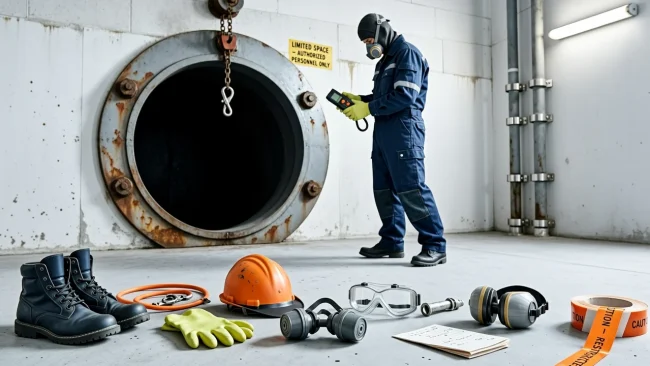
PPE Misconceptions in Confined Space Operations: Being Fully Equipped Does Not Mean You Can Enter

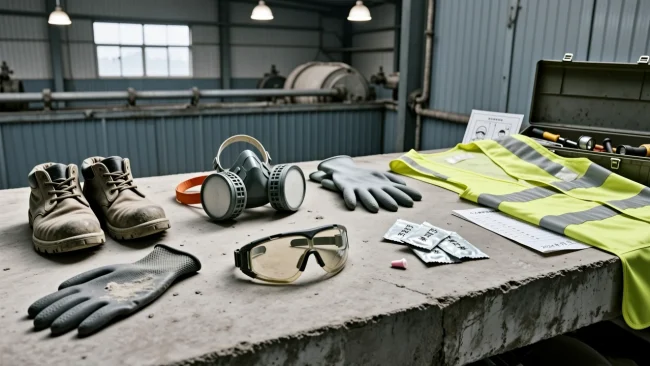
Addressing the PPE misconception in confined space operations that “full PPE means you can enter,” the article points out that the first step is to determine whether entry is necessary and whether alternatives exist, and only then configure equipment. It emphasizes prioritizing respiratory risks: ordinary masks cannot cover oxygen deficiency and toxic gases, and respiratory protection must be selected in conjunction with gas detection and ventilation. Procurement and management can verify along three lines—environmental risk, work movements, and evacuation routes—and should pay attention to the compatibility and quick donning/doffing of the complete equipment set in narrow spaces.

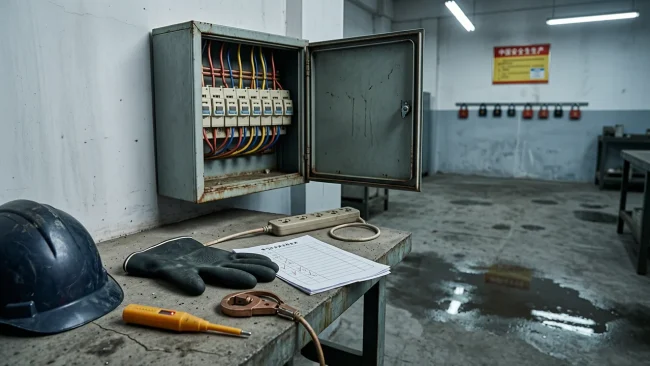
Why do electrical shock incidents keep recurring—which line of defense is missing on site?

Recent safety news shows that electric shock accidents remain a common industrial injury, occurring frequently in areas such as temporary power use, equipment maintenance, humid workshops and outsourced construction, and are often caused by damaged wiring, failed leakage protection or unreliable grounding. The article points out that protection requires implementing steps such as power isolation, voltage verification, grounding and lockout/tagout as checkable actions, and reasonably selecting insulating tools and protective equipment, forming a closed loop of systems, tools, training and inspection.

In the transport and loading/unloading of ammonium nitrate, PPE protection cannot rely on experience alone

Drawing on the ammonium nitrate transport vehicle accident in East Ujimqin Banner, Inner Mongolia, the article points out that ammonium nitrate transport and loading/unloading involves not only vehicle issues but also on-site risk control. Enterprises should treat loading/unloading areas as high-risk work points, define work boundaries and conduct specialized training. PPE is the last line of defense, and its configuration should be based on on-site hazard assessment rather than distribution by experience, covering respiratory, head and hearing protection, and requiring correct wearing, timely inspection and regular replacement.

Why can safety training at construction sites not just stop at the sign-in sheet?

The article points out that safety training at construction sites cannot rely solely on sign-in sheets, exam papers and photos as proof; the key lies in whether employees can translate protection requirements into specific actions. For head, hearing and respiratory protection, training should identify risks in conjunction with the day's work processes, clearly explain the basis for selecting protective equipment, and after training check whether wearing is correct and record reasons for reluctance to wear, forming a closed loop of risk identification, selection, use inspection and procurement feedback.

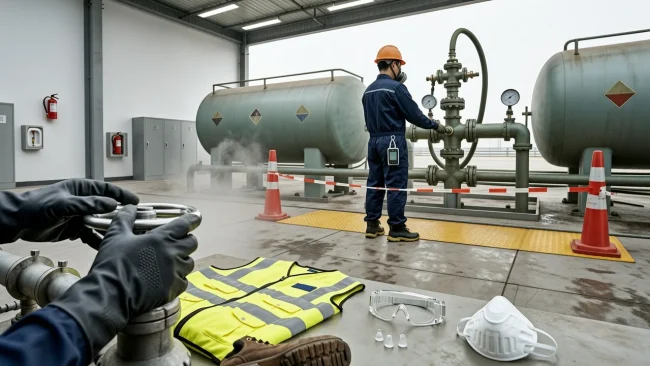
After a liquefied gas leak flash explosion, which link in factory emergency protection is most easily overlooked?

A suspected liquefied gas leak flash explosion accident in Huludao, Liaoning, caused 3 deaths and 8 injuries, warning factories to pay attention to the continuous risk chain from leakage to accumulation to flash explosion. The article points out that many enterprises' risk identification remains at the equipment level, ignoring personnel exposure locations and ventilation, detection, warning and evacuation routes; a common misconception in personal protection is using ordinary masks instead of respiratory protection. Emergency protection requires configuring respiratory, head and hearing protection according to the scenario, and linking with on-site signage, drills and procurement management.

Component fall accident reminder: the risk of being struck by objects cannot be managed only through post-incident isolation

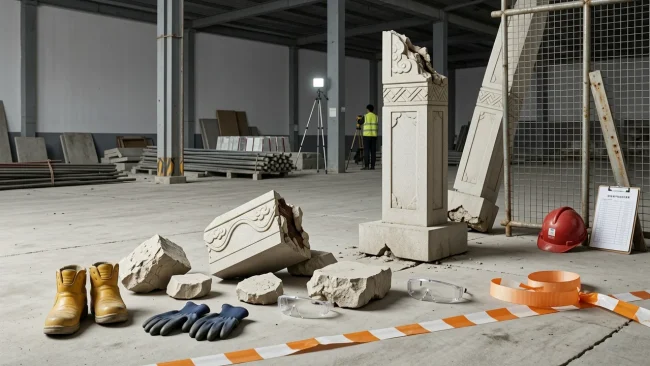
A decorative archway component in Qufu, Shandong, accidentally fell, causing casualties. From an EHS perspective, the article points out that struck-by-object risks not only come from work at height but may also come from fixed structures, decorative components and temporary facilities. The core issue is whether a controlled area is formed after a fall; engineering measures such as delineating warning zones, physical isolation and reinforcing connections should be prioritized, and PPE such as head protection should be incorporated into the daily inspection closed loop.

Tunnel training should not only focus on wearing PPE: enclosed work sites require a closed-loop risk management approach

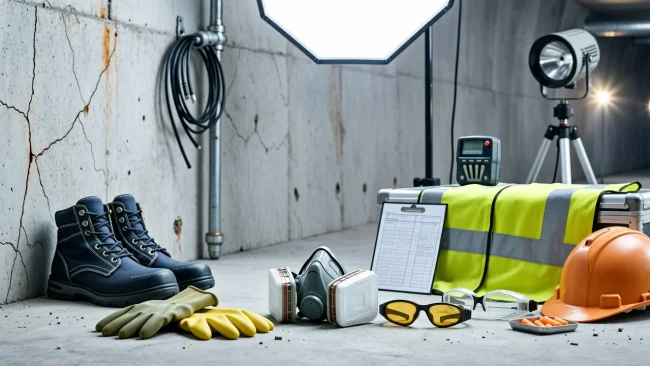
Tunnel operations involve confined spaces, insufficient lighting, and a mix of noise and dust. If safety training only emphasizes wearing protective equipment properly, it is difficult to cover real risks. The article points out that specific risk sources such as low-height collisions, vehicle crossings, slips, dust and noise, and evacuation routes should be clearly explained, correct wearing of head, hearing and respiratory protection should be described in conjunction with job positions, and EHS should review work permits and risk points, forming a closed loop of risk identification, PPE matching and on-site management through pre-shift inspections and on-site spot checks.