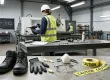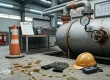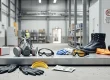

The Ministry of Emergency Management is about to hold a press conference on flood-season safety knowledge under the theme “Everyone Talks about Safety, Everyone Knows How to Respond to Emergencies,” once again bringing flood-season production safety to the core agenda of corporate management. For industrial enterprises, the flood season not only means a test of natural disasters but also brings complex on-site secondary risks, imposing stricter requirements on factory EHS management and emergency supplies.
Heavy rain and strong winds can easily cause damage to factory facilities or loosen outdoor equipment, significantly increasing the risk of falling objects and object strikes. At the same time, wet and waterlogged environments greatly increase the likelihood of slips and falls during outdoor inspections and emergency repairs, and the risk of electrical equipment leakage also rises. Frontline workers face comprehensive risks far higher than in regular seasons.
In addition, the flood season may trigger secondary disasters in chemical storage areas within the plant. Water backflow or drastic changes in temperature and humidity can lead to the volatilization or even leakage of hazardous substances. In such complex emergency rescue environments, conventional protective configurations are often insufficient, and protective equipment must be upgraded and adjusted for specific scenarios.
For head protection, in outdoor emergency repairs under strong winds, safety managers should focus on evaluating the impact resistance and wearing stability of safety helmets. Choosing head protection with rain-proof brim designs and more secure chin strap adjustments can effectively prevent debris strikes and ensure the helmet does not easily fall off in severe weather.
In emergency response involving wading through water for dredging or suspected chemical leaks, the selection of respiratory protection is particularly critical. Ordinary particulate respirators cannot block hazardous gases. Enterprises need to equip employees with half masks or full face masks with corresponding gas filter cartridges based on the types of volatile substances that may be present on site, to ensure the respiratory safety of rescue personnel.
In addition to risk-based selection, the daily storage and management of emergency supplies should not be overlooked. Enterprise procurement departments should take stock of flood-season-specific protective equipment inventory in advance and strictly check the moisture-proof conditions of warehouses. If protective equipment becomes damp and ages during storage, it will lose its protective effectiveness at critical moments.
The concept of "Everyone Knows How to Respond to Emergencies" depends on adequate emergency supplies and regular drills. Hazard assessment, risk-based PPE selection, and disciplined inventory management help organizations prepare for flood-season emergencies and protect frontline workers.
News source:Ministry of Emergency Management of the People's Republic of China, 2026-06-22: “Preview | The Ministry of Emergency Management will hold a press conference on flood-season safety knowledge under the theme ”Everyone Talks about Safety, Everyone Knows How to Respond to Emergencies' at 10:00 AM on June 23, 2026-06-22 13:53." This article only interprets PPE knowledge based on public news topics.