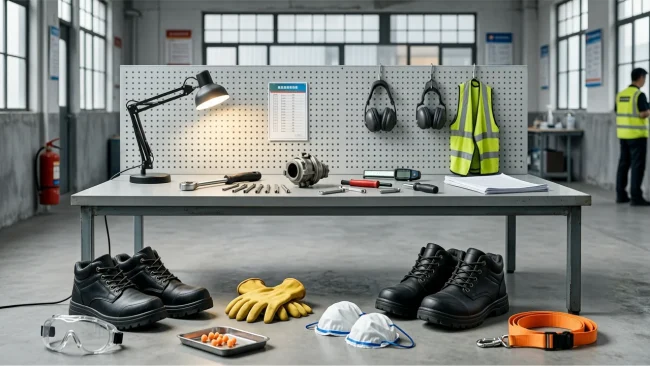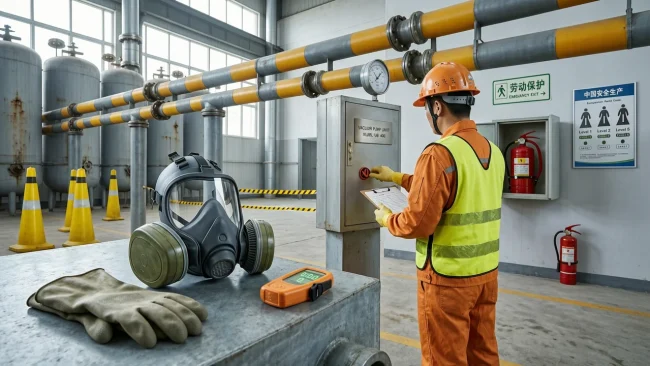
Suspected Toxic Gas Incident Alert: Is Your Company's Respiratory Protection Prepared?

A suspected toxic gas poisoning incident in Hechi, Guangxi, caused casualties, prompting the article to remind factories, warehouses, chemical plants, and other units to include suspected toxic gas scenarios in risk checklists—identify first, then protect. Before entering confined spaces such as pipe galleries, sewage wells, and storage tanks, the risks of oxygen deficiency, toxic gas, and flammable gas should be assessed; entry should be suspended when conditions are unclear. Respiratory protection must be selected according to the scenario; ordinary masks cannot be relied upon in unknown or high-concentration environments, and spare equipment should be kept, inspection records maintained, and emergency drills conducted.
Natural Disaster Management Standards Update: What Misconceptions Should Be Avoided in Emergency PPE Stockpiling and Selection?

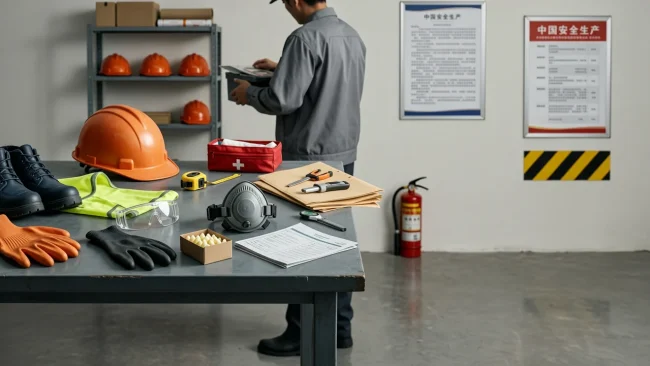
A batch of national standards and industry standards in the field of natural disaster damage management has been officially released, putting forward new requirements for enterprise emergency material reserves and on-site safety management. Focusing on post-disaster rescue and cleanup scenarios, the article analyzes the common misconception in PPE selection of discussing protection apart from specific scenarios, explains selection key points respectively for head protection, respiratory protection, and hearing protection, and recommends that enterprises establish a dynamic emergency material management mechanism, regularly check equipment expiration dates and performance status, and carry out wearing training in accordance with standard requirements.

With Extreme Weather Occurring Frequently, How Can Enterprises Improve Emergency Personal Protective Equipment Reserves

The recent emergency allocation of central disaster-relief supplies by the state to support flood-control and disaster-relief efforts in multiple regions has prompted companies to reconsider their emergency supply reserves. The article points out that under extreme weather, factories face risks such as waterlogging and emergency clearance and repair work, and that temporary procurement of protective equipment is inefficient and prone to improper selection. It recommends that EHS and procurement departments establish a seasonal, scenario-based reserve mechanism, regularly inventory and replenish head, respiratory and hearing protection equipment, and ensure supplies are available in emergency situations.

With frequent extreme weather during flood season, how can industrial enterprises upgrade on-site protection and emergency supplies management?

The Ministry of Emergency Management plans to hold a flood-season safety knowledge press conference on June 23. The article points out that during the flood season, heavy rain and strong winds can easily cause damage to factory facilities, falling objects from heights, slips and falls, and electrical leakage, and chemical storage areas may also experience leaks due to backflow of accumulated water. Enterprises should upgrade head protection such as safety helmets, equip respiratory protection equipment with corresponding gas filter cartridges according to the types of volatiles on site, and take stock of dedicated protective supplies inventory in advance and check warehouse moisture-proof conditions.

National Emergency Science Popularization Database Launched: How Can Enterprises Overcome the PPE Management Misconception of Prioritizing Allocation over Use?

Recently, the “National Emergency Management Science Popularization Database” was officially launched, providing authoritative educational resources for enterprises to optimize personal protective equipment management. The article notes that many factories have the misconception of “emphasizing procurement over training,” which prevents high-standard protective equipment from delivering its protective effect due to insufficient employee awareness. The article recommends that EHS teams use the database content to improve training chains for scenarios such as respiratory protection, head protection and hearing protection, and work with suppliers to build a closed-loop management system integrating selection, procurement, training and supervision.

From Disaster Relief Material Allocation to Enterprise Emergency Personal Protective Equipment Reserve Strategies

Recently, the state allocated ten thousand pieces of central disaster relief materials to Qinghai and launched a government-society collaborative support mechanism, highlighting the importance of emergency material reserves. Based on this, the article reminds enterprises of the easily overlooked issue of professional personal protective equipment reserves in emergency plans, explains the role of head and respiratory protection equipment in rescue and evacuation in scenarios such as earthquakes, dust and chemical leaks, and proposes establishing a reserve management mechanism featuring dynamic inventory checks, expiration warnings and integration with emergency drills.

PPE Planning Behind Disaster-Relief Supply Allocation: Lessons for Corporate Disaster Preparedness

The article opens with the news of the state urgently allocating 5,000 pieces of central disaster relief supplies to Guangxi, analyzes the demand for personal protective equipment for the head, hearing, and respiratory protection at disaster sites, and extends from there to corporate emergency supplies reserves, recommending that companies configure PPE in a differentiated manner based on the risk characteristics of their plant areas, while also emphasizing storage conditions, shelf-life management, and regular drills.

PPE Planning Behind Disaster-Relief Supply Allocation: Lessons for Corporate Emergency Protection

Starting from the emergency response process of disaster relief supplies allocation, the article analyzes the configuration logic of PPE (Personal Protective Equipment) and, on that basis, explores how companies can build an emergency protection system, providing a reference for companies to reasonably equip protective supplies and improve emergency management during unexpected incidents.

What Central Disaster-Relief Supply Allocation Reveals About PPE Planning and Corporate Emergency Preparedness

Recently, the Office of the National Disaster Prevention, Reduction, and Relief Committee, together with the Ministry of Emergency Management and the National Food and Strategic Reserves Administration, allocated central disaster relief supplies to Hunan and Guangxi. Drawing on this action, the article analyzes the basic support needs for personal protective equipment—including head, hand, and hearing protection—at disaster rescue sites, and notes that enterprises can learn from the principles of applicability and timeliness in national supply allocation to establish emergency PPE lists matched to risk levels, inventory rotation, and usage training mechanisms.