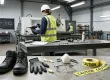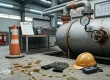

In the production process of industrial and trade enterprises, organic solvents such as acetone, isopropanol, and thinner are often used for equipment cleaning, oil stain removal, or surface pretreatment. These solvents generally have the characteristics of strong volatility, low flash point, and being flammable and explosive. At the same time, their vapors have an inhibitory effect on the human central nervous system, and long-term or high-concentration exposure can lead to dizziness, nausea, and even coma. Therefore, although cleaning operations may seem routine, they actually harbor significant safety and occupational health risks.
Poor ventilation in the working environment is the primary cause of accidents. Solvent vapors accumulate in confined spaces, and once they reach the explosive limit, they can cause combustion or explosion when encountering static sparks, high-temperature surfaces, or open flames. Enterprises should prioritize the use of local exhaust ventilation systems to ensure air circulation in the work area and monitor flammable gas concentrations in real time. For enclosed areas where effective ventilation is not possible, hot work must be strictly prohibited and clear warning signs must be posted.
Static accumulation is another ignition source that cannot be ignored. Solvents are prone to generating static electricity during pouring and wiping processes, and if not effectively dissipated, this can lead to flash fires. It is recommended to use containers and tools made of conductive materials, ensure the floor of the work area has antistatic properties, and require operators to wear antistatic work clothes and footwear. At the same time, avoid using plastic containers for solvents to prevent static accumulation.
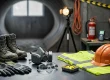
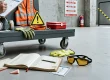
Personal protection is the last line of defense in reducing health risks. Operators should be equipped with protective equipment that meets standards, including chemical-resistant gloves, safety goggles, and appropriate respiratory protection equipment. When the concentration of solvent vapors in the working environment is high, ordinary gauze masks cannot provide effective protection. Respiratory protection products that can filter organic vapors should be selected to ensure the safety of inhaled air.
In terms of on-site management, enterprises should establish a solvent use registration system, control the amount issued per request, and reduce on-site inventory. Waste solvents and rags contaminated with solvents should be stored in sealed, dedicated fireproof cabinets, and random disposal or accumulation is strictly prohibited. Regular safety training should be conducted so that employees fully understand the hazardous characteristics of solvents and emergency response measures, enhancing risk awareness and self-rescue capabilities.
In addition, emergency response plans must be practical and feasible. The work site should be equipped with appropriate fire extinguishers (such as dry powder or carbon dioxide types), and personnel should be familiar with their use. In the event of a leak or fire, the emergency response should be initiated immediately, personnel should be evacuated, ignition sources should be cut off, and initial handling should be carried out according to the plan. After the incident, an accident analysis should be conducted to continuously improve management processes.
In summary, the safety management of cleaning operations using flammable organic solvents needs to run through the entire process of risk assessment, engineering controls, personal protection, and emergency response. Enterprises should build a protection system with systematic thinking, optimize work processes based on on-site conditions, and effectively ensure the safety of employees' lives and the stable operation of production.
News source:Ministry of Emergency Management of the People's Republic of China, 2026-04-10: Safety Tips for Cleaning Operations Using Flammable Organic Solvents in Industrial and Trade Enterprises 2026-04-10 09:33. This article only interprets PPE knowledge based on public news topics.