



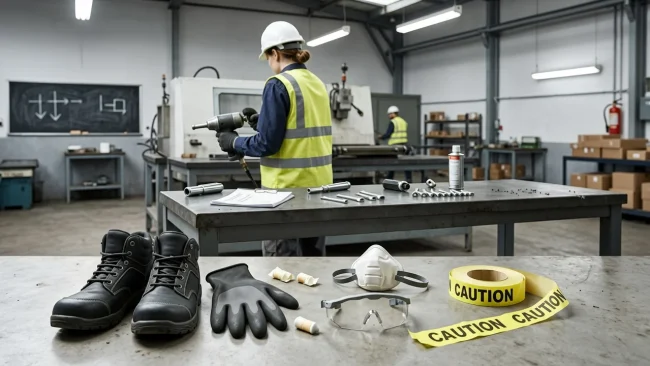
Why do PPE risks tend to resurge in factories after the holiday break?
开工阶段人员状态、设备状态和防护习惯都可能波动,企业可从头部防护、听力防护、呼吸防护等场景梳理风险,把 PPE 管理落到岗位与作业环节。


开工阶段人员状态、设备状态和防护习惯都可能波动,企业可从头部防护、听力防护、呼吸防护等场景梳理风险,把 PPE 管理落到岗位与作业环节。
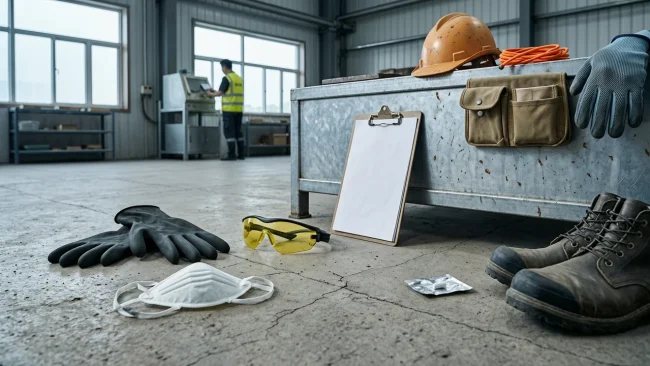
After an accident investigation report is published, corporate procurement and EHS personnel should shift their focus from PPE to risk identification, scenario matching, and on-site management, avoiding treating PPE as the only line of defense.
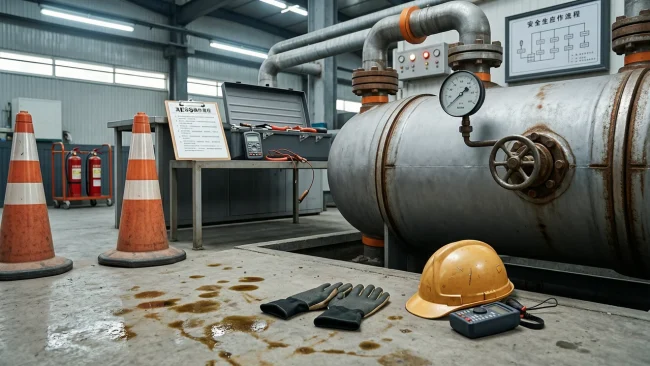
Key points that EHS and procurement should focus on regarding enterprise risk identification, on-site control, and personal protective equipment, as seen from a container explosion accident investigation report.
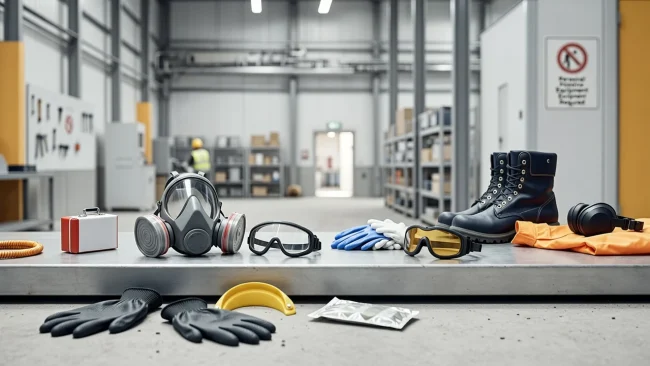
In chemical and hazardous chemical operations, PPE cannot be issued solely on a fixed, position-by-position basis. Starting from scenarios such as maintenance and repair, loading and unloading, and emergency response, this article reminds companies to incorporate respiratory protection, hearing protection, and head protection into dynamic risk identification and on-site management.
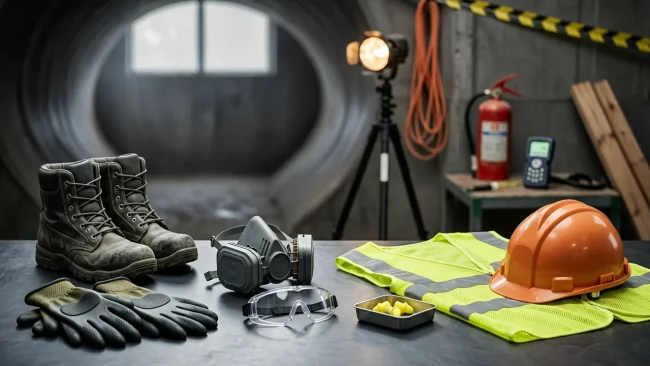
A company was summoned for talks over major hidden hazards in a gas tunnel, a reminder that PPE management must not stop at the distribution level. For high-risk operations such as tunnels and confined spaces, head protection, respiratory protection, and hearing protection should be systematically configured in light of gas, noise, impact, and mechanical injury risks, and integrated into inspection, training, and replacement.
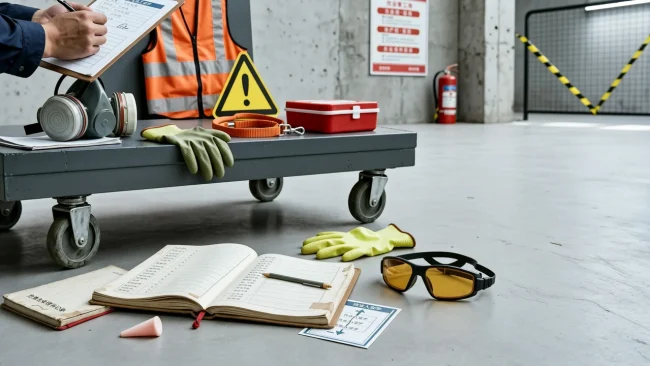
The value of hazardous work training lies not in the signature, but in turning risk identification, proper use of protective equipment, and emergency response into executable actions. Corporate EHS should manage training together with site conditions, personnel habits, and protective equipment configuration.
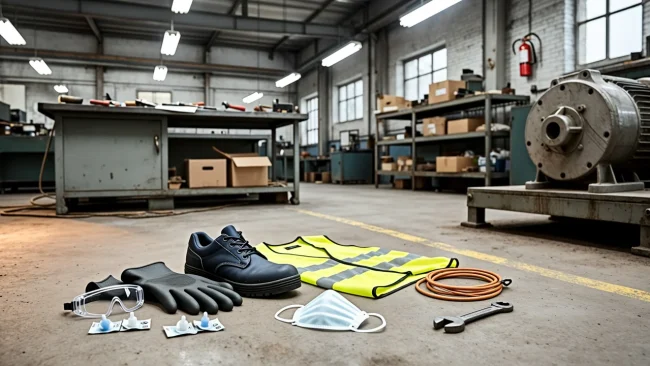
From risk identification to wearing habits, the key to PPE configuration in industrial and trade enterprises lies not in procurement quantity, but in job matching, on-site management, and continuous review.
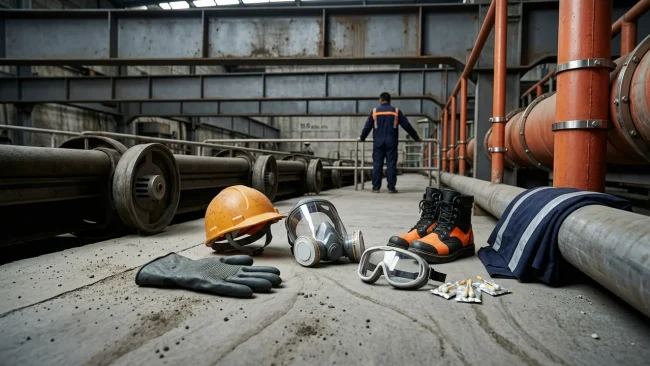
Looking at a safety incident at a mining subsidiary, PPE management should shift from issuance to a closed loop of risk identification, proper wearing, maintenance and replacement, and training, rather than treating the last line of defense as the only line of defense.
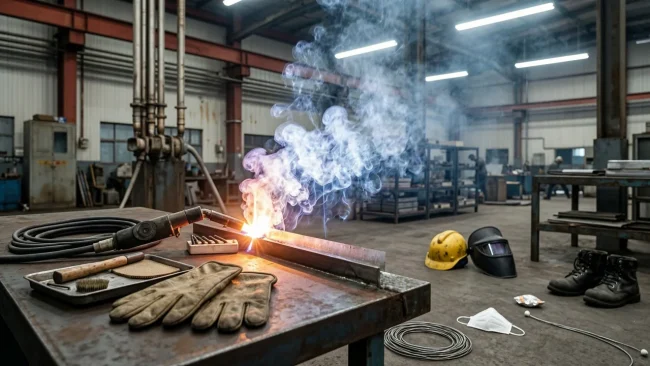
From arc flash, fumes, and noise to simultaneous operations, welding safety is more than just safety goggles. For EHS and procurement, here is an overview of key on-site management priorities and PPE selection considerations.
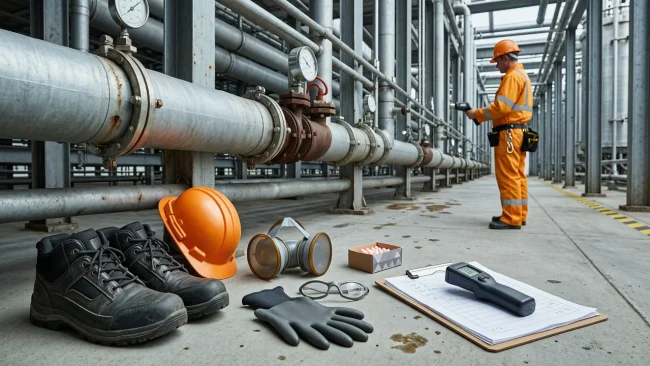
Starting from the scenario of inspections and maintenance of chemical production facilities, this article outlines the role of PPE in layered risk control, helping EHS and procurement personnel more accurately identify head, hearing, and respiratory protection needs.