After a Coal Mine Shutdown: How to Fill the Gaps in Underground Risk Control and Personal Protection?

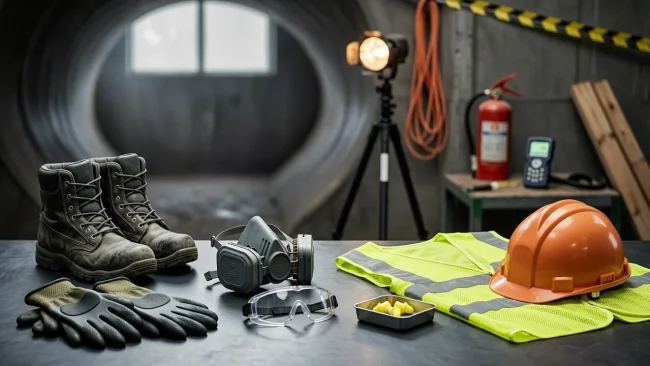
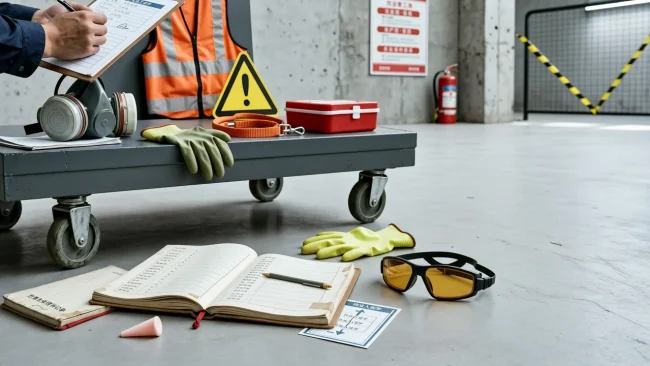
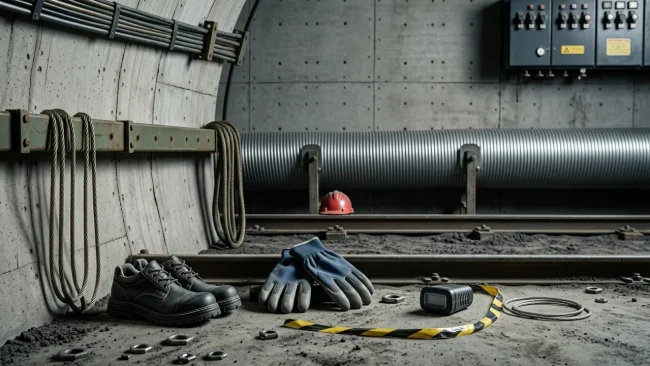
After a coal mine in Shanxi was shut down due to a work safety accident, on-site risk control became the focus. Centered on the combined risks of roof, dust, noise, ventilation, and transport, this article discusses the configuration and wear checks of head, hearing, and respiratory protection in scenarios such as roadways and maintenance, emphasizing that personal protective equipment should serve as the last line of defense after engineering controls and administrative controls, and recommending that personnel retraining, equipment interlock restoration, and work permit review be implemented before resuming operations.
What are common misconceptions in mine PPE configuration under roof-fall risks?

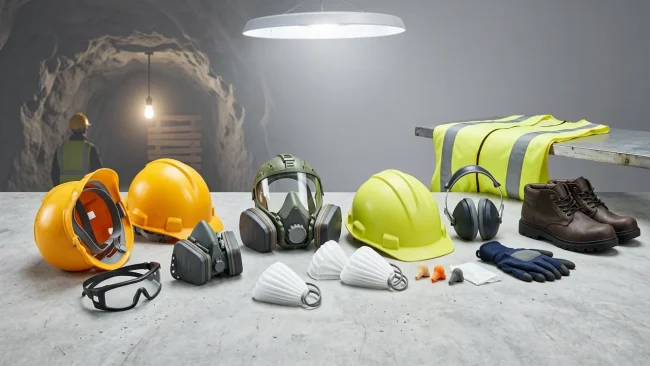
Mine roof-fall accidents are the result of the combined effects of roof conditions, support, the working environment and personnel behavior. The article points out that PPE cannot prevent roof collapse, nor can it replace support and monitoring, but it can reduce impact, dust and noise injuries. A common misconception is to treat PPE as “safe as long as you have it,” with respiratory protection that is “provided but not worn, or worn incorrectly,” and hearing protection that lacks tiered configuration according to noise exposure levels. It is recommended to first conduct job-based risk identification, develop a checklist-based, scenario-based configuration, and check whether PPE truly becomes part of the work process.

Behind Typical Steelmaking Accidents, Why Is PPE Configuration Always One Step Behind?

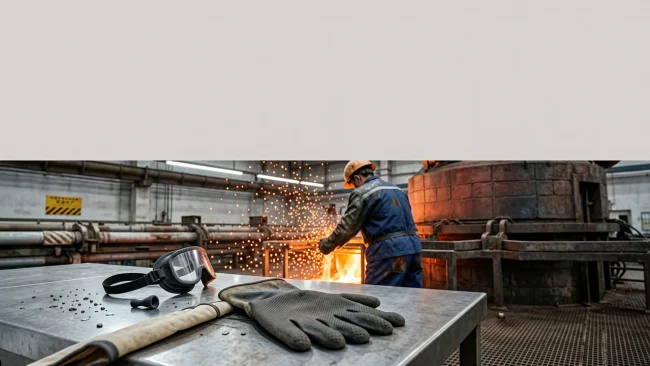
The steelmaking site is a mix of high temperature, noise, dust, lifting and gas risks, and accidents are often caused by the compounding of multiple stages. Drawing on typical accident cases, the article analyzes the risks of burns, crushing, falls and inhalation injuries in scenarios such as tapping, casting, ladle lifting and furnace maintenance, and points out that PPE configuration should be refined down to specific tasks, with clear applicable scenarios, replacement conditions and training requirements, so as to avoid a mismatch between equipment and the work rhythm.

Why do PPE risks tend to resurge in factories after the holiday break?

After the holiday break, personnel attention, site order and the condition of protective equipment need to be readjusted, and safety managers should treat the restart of work as a risk re-identification. Focusing on head, hearing and respiratory protection, the article reminds readers to pay attention to helmet cleaning and chin straps, correct wearing of earplugs, and exposure changes caused by dust and chemical odors during work; it also recommends that companies take stock of PPE inventory and suitability, and incorporate inspections into pre-shift meetings.

After an explosion incident report, where should PPE configuration begin?

Following the release of the investigation report on the explosion accident at the Baogang Plate Plant, the article recommends that companies turn the accident notification into an on-site risk checklist and re-verify PPE configuration according to scenarios such as normal production, inspection and maintenance, and emergency response. The article emphasizes that PPE is the last line of defense, and that it is necessary to check the validity period and condition of safety helmets, ensure continuous use of hearing and respiratory protection, and establish mechanisms for training, inspection and replacement.

Warning from a Major Vessel Explosion Accident: How to Build a Closed Loop of Protection and Response in High-Pressure Workshops?

Focusing on the investigation report of the Baogang Rare Earth “1·18” major vessel explosion accident, the article suggests that plant EHS should review the risks of pressure vessels, process abnormalities and on-site management. The main text emphasizes linking process parameters, interlock status, inspection records and operation permits into a traceable control chain, re-evaluating PPE configuration for head, hearing and respiratory protection according to job risks, and establishing a “risk—job—PPE—training—replacement cycle” ledger.

Why job-position checklists for PPE configuration at chemical sites are often insufficient

The article points out that chemical companies' fixed PPE configuration by job makes it difficult to cover the rapidly changing exposure risks in operations such as tank cleaning, loading and unloading, and inspection and maintenance. The article recommends incorporating PPE configuration into pre-job risk identification, selecting equipment according to exposure type, duration and environmental conditions, and integrating inspection, training and emergency spares into on-site management.

After the gas tunnel hazard interview, at which levels should PPE management begin?

Multiple units at a gas tunnel were summoned for talks due to major accident hazards, exposing whether the “people, equipment, environment” management loop is closed in high-risk operations. Drawing on this incident, the article analyzes tunnel PPE management across three layers—head, respiratory, and hearing protection—emphasizing that selection should match on-site risks, that wearing and maintenance must be implemented, and that PPE is a supplement rather than a substitute, requiring integration with engineering and management measures such as ventilation, testing, permits, and training.

Why hasn't hazardous work training reached the front line?

Hazardous-operation training at factories often stops at discussing risks and does not extend to pre-task checks, leading personnel to miss protective equipment, misjudge the environment, or skip confirmation steps. The article notes that risks arise from the combination of environment, tools, personnel condition, and communication; training should clearly define the judgment boundaries for stopping work, and it recommends using pre-task briefings to confirm risks, protection, and abnormal-situation handling, incorporating protective equipment provisioning into training management, and verifying whether training takes hold by observing behavioral changes.