The bottom line and management approach for personal protection in high-risk operation scenarios involving special equipment

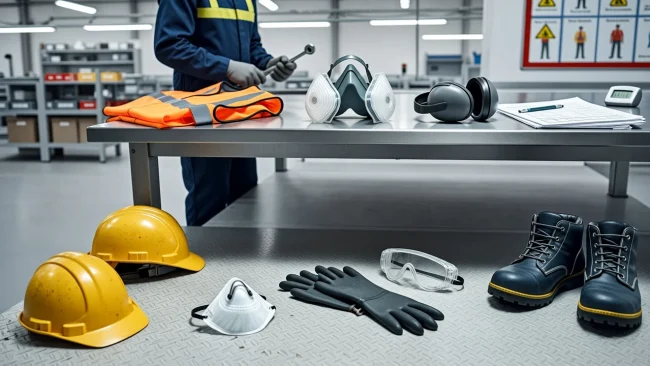
The article focuses on personal protection in high-pressure, high-temperature and working-at-height operations involving special equipment, noting that once boilers, pressure vessels, lifting machinery and similar equipment malfunction, secondary risks such as flying debris or falling heavy objects often follow. The article explains the role of head protection, respiratory protection and hearing protection at inspection and maintenance sites, and recommends that enterprises select equipment based on hazard identification results, verify equipment qualification and certification, and regularly update their selection catalog.
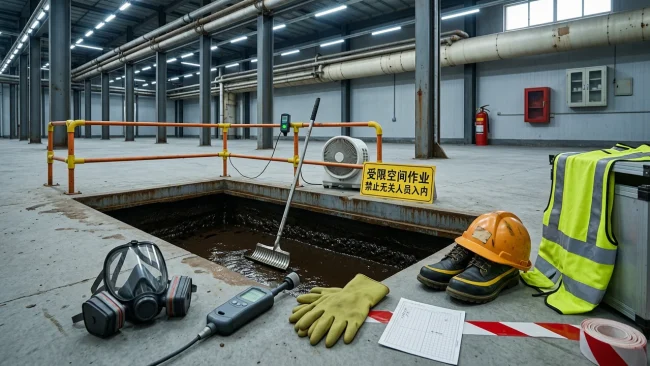
What are the misconceptions in selecting respiratory protection for confined spaces when suffocation occurs during pulping tank desilting?

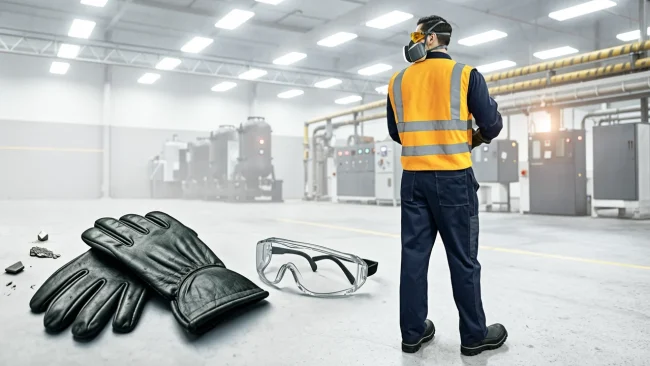
A suffocation incident involving employees of a paper mill in Xinmi City, Henan Province, while clearing sludge from a pulping tank highlights the risks of confined space operations. The article notes that pulping tanks readily accumulate toxic gases such as hydrogen sulfide and can cause oxygen deficiency; before work begins, the space must first be ventilated, then tested, and only then entered. For respiratory protection, isolating equipment such as positive-pressure self-contained breathing apparatus should be selected, as ordinary filter-type gas masks are ineffective. At the same time, dedicated attendants and emergency equipment must be in place, and blind rescue attempts are strictly prohibited.

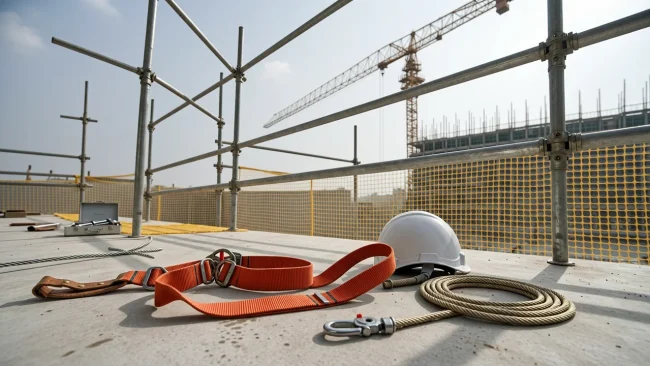
When implementing a specialized high-altitude work plan, what misconceptions should be avoided in on-site fall protection management?

The article focuses on the on-site implementation of special work-at-height plans, noting that some enterprises emphasize plan preparation while neglecting process supervision, resulting in a disconnect between plans and the worksite. To achieve a closed-loop approach to fall prevention management, it is necessary to implement work permits, dedicated supervision, and emergency rescue preparedness, scientifically select equipment such as full-body safety harnesses, shock-absorbing lanyards, and self-retracting fall arresters according to the working environment, strengthen personnel training and pre-use inspections, and deeply integrate special plans with equipment management.

Frequent major accidents in housing and municipal engineering: how can on-site EHS management build a solid protective bottom line?

Addressing the frequent occurrence of major accidents in housing and municipal engineering, the article analyzes that the core causes are a lack of proactive risk awareness and inadequate on-site protection. Focusing on on-site risks such as struck-by objects, dust and noise, it introduces key points for selecting and using head, respiratory and hearing protection equipment, and proposes that enterprise EHS departments should establish a closed-loop management system from hazard identification to wearing supervision.

Sudden accident in reservoir tunnel construction: What fatal risks should be watched for in confined space operations underground?

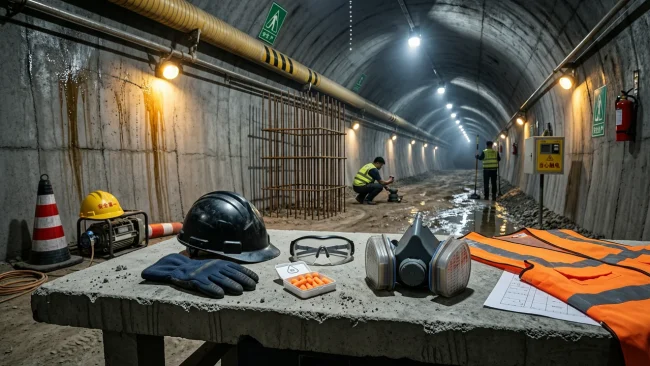
A recent safety accident during tunnel construction at a reservoir in Shaodong, Hunan, claimed the lives of 3 people. Focusing on the reservoir tunnel as a confined space, this article analyzes fatal risks such as toxic and harmful gases, oxygen deficiency, falling rocks and collapse, and noise, introduces the principle of “ventilation first, testing second, work last,” and offers recommendations on selecting protective equipment for respiratory, head, and hearing protection.

Curtain wall construction in suspended platforms: What blind spots exist in fall protection equipment selection and on-site management?

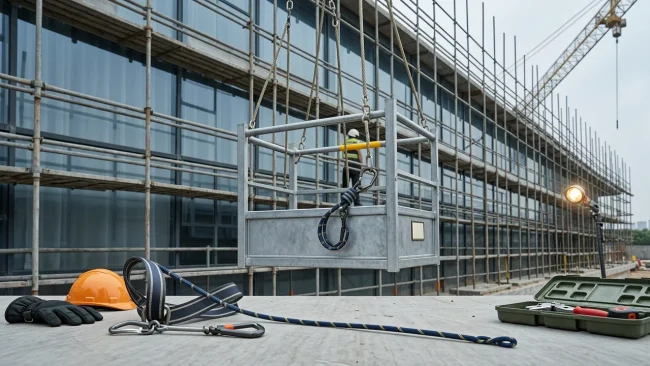
In suspended platform operations during curtain wall construction, there are cognitive and selection blind spots in fall protection. The article points out that the platform's built-in safety lock and guardrails cannot replace personal protection; the safety harness must be attached to a safety rope independent of the suspended platform system, and a full-body harness with a shock-absorbing pack should be preferred. On site, the breaking strength and position of the safety rope anchor points must also be verified, self-locking devices or shock-absorbing lanyards should be included in daily inspections, equipment appearance should be checked before boarding the platform, and any issues such as seam cracking or metal component deformation should result in immediate removal from service and scrapping.

Integrating chemical process safety management, what pitfalls should be avoided in on-site PPE selection?

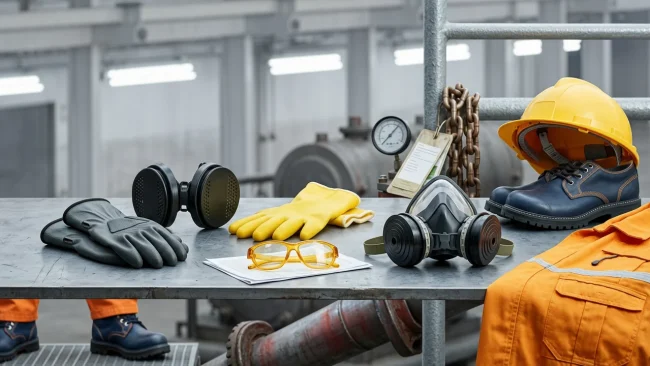
The article focuses on the selection of personal protective equipment (PPE) in chemical process safety management, noting common misconceptions including PPE selection divorced from process risk assessment, underestimation of the cumulative effects of multiple risks, and emphasis on procurement over training and on-site supervision. The article proposes that EHS personnel should participate early in process hazard analysis, match respiratory protection equipment according to chemical properties, concentration and exposure duration, conduct systematic selection and compatibility assessment for combined risks, and integrate PPE usage specifications into daily inspections and management of change.

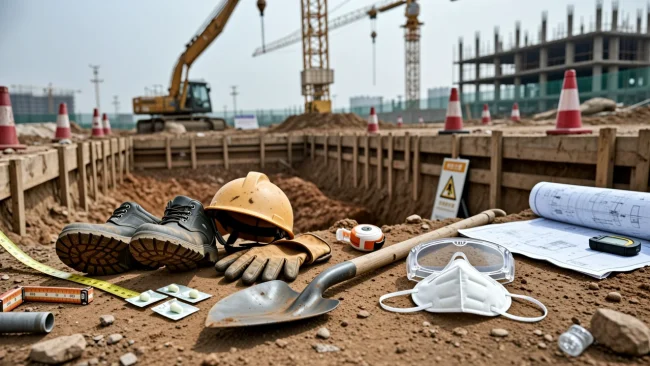
Risk observation in excavation operations: safety protection and PPE selection in concealed works

Due to the complex underground environment and strong concealment, excavation work can easily lead to accidents such as soil collapse and pipeline damage. The article points out that in addition to preliminary survey and approval and hard barriers, dust, mechanical noise and falling objects also threaten personnel health. Enterprises should equip targeted PPE such as dust masks, noise-reduction earplugs and safety helmets, and combine on-site management with equipment selection to mitigate the risks of concealed works.

As Work Safety Month approaches, how can factory PPE on-site management avoid being a mere formality?

As the 2026 Work Safety Month approaches, this article raises a warning about on-site PPE management in factories: companies often focus on compliant procurement while neglecting employees' wearing experience, causing protective equipment to be removed in violation of rules due to heat, stuffiness, and communication difficulties. Taking head, hearing, and respiratory protection as examples, the article recommends balancing breathable design, noise reduction versus communication, and respiratory resistance matched to work intensity during selection, and calls on EHS managers to listen to frontline feedback so that employees willingly wear PPE correctly.

Preventing high-temperature burn accidents: how corporate EHS can hold the last line of personal protection

Recently, a scalding accident at a company in Zhengzhou, Henan, killed three people, sounding an alarm for corporate EHS management. Drawing on this accident, the article addresses scalding risks such as molten material splashing and steam leaks in metallurgy, casting, and other industries, and introduces key points for risk identification, engineering controls, and PPE selection, covering flame-retardant and heat-insulating clothing, protective face shields, and respiratory protection, while emphasizing emergency drills and daily inspections.