Under geological disaster emergency response, how should on-site EHS management achieve dynamic PPE allocation?

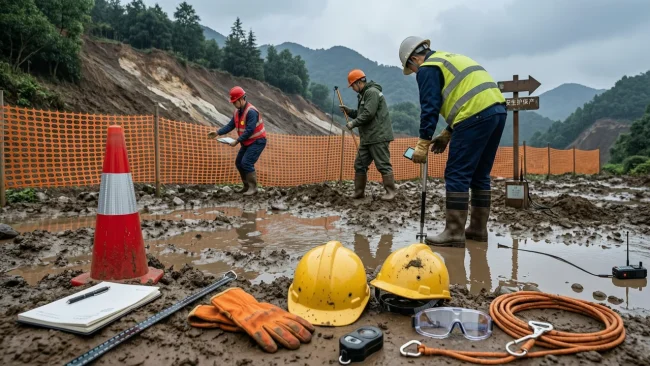
The Ministry of Emergency Management activated a Level IV national geological disaster emergency response for Sichuan, and EHS management at mountain-area work sites and investigation and rescue scenes faces challenges during the flood season. Focusing on risks at geological disaster sites such as secondary collapse, falling rocks, dust and machinery noise, this article explains that enterprises should dynamically adjust the configuration of head, respiratory and hearing protection equipment, establish a dynamic risk assessment mechanism, stockpile protective supplies, and integrate wearing training to put safety management into practice.

There are many hazards in hot work operations on construction sites; how can personal protection and on-site management work together?

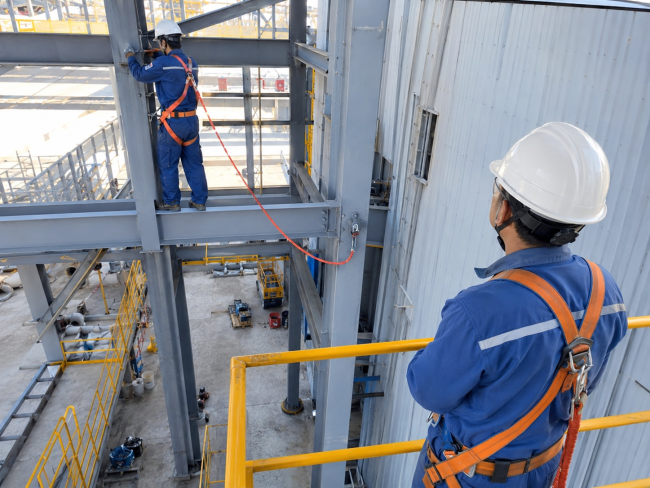
This article focuses on the safety risks of hot work at construction and industrial sites, pointing out that sparks, metal fumes, hazardous gases, and noise generated by welding, cutting, and grinding pose multiple threats to workers. The article analyzes key points for selecting personal protective equipment from three aspects: head and face protection, respiratory protection, and hearing protection, and emphasizes that hot work must strictly implement the approval system, assign full-time supervisors, clear combustibles, and prepare firefighting equipment, combining management processes with PPE selection to build a closed-loop safety management system.

Natural Disaster Management Standards Update: What Misconceptions Should Be Avoided in Emergency PPE Stockpiling and Selection?

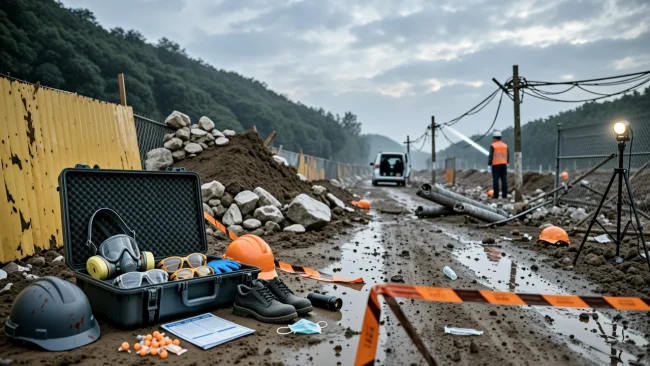
A batch of national standards and industry standards in the field of natural disaster damage management has been officially released, putting forward new requirements for enterprise emergency material reserves and on-site safety management. Focusing on post-disaster rescue and cleanup scenarios, the article analyzes the common misconception in PPE selection of discussing protection apart from specific scenarios, explains selection key points respectively for head protection, respiratory protection, and hearing protection, and recommends that enterprises establish a dynamic emergency material management mechanism, regularly check equipment expiration dates and performance status, and carry out wearing training in accordance with standard requirements.

With extreme weather becoming more frequent, how should PPE be selected and managed at flood-control and rescue sites?

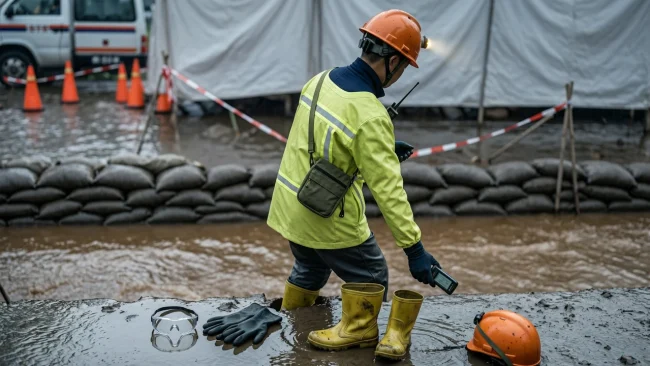
A flash flood recently struck a scenic area in Weiyuan County, Dingxi City, Gansu Province. The National Flood Control Office and the Ministry of Emergency Management have continued to coordinate the response and dispatched a working group to the site. Drawing on this incident, the article notes that in flash flood rescue operations, debris such as mud, sand, branches and rocks can cause impacts and secondary injuries. Rescuers must first assess risks and wear compliant equipment, with a focus on protecting the head, respiratory system, face, feet and torso, and must regularly inventory and update flood-control emergency supplies.

Key Points for PPE Allocation in Flood Season Geological Disaster Emergency Response, On-site Inspection, and Rescue

The Ministry of Emergency Management activated a Level IV national geological disaster emergency response for Jiangxi, Hunan and other areas, as the risk of landslides and mudslides rises during the flood season. Focusing on frontline investigation and rescue personnel, this article sorts out secondary risks at geological disaster sites such as falling rocks, dust, hazardous gases and machinery noise, proposes key points for equipping PPE such as safety helmets, respiratory protection and hearing protection, and recommends that enterprises incorporate PPE stockpiling, inspection and training into flood prevention and disaster preparedness processes.

The Golden Rule of On-Site Emergency Rescue: Why Is Self-Protection the First Priority?

Combining the topic of first aid for work safety accidents, the article points out that during the golden rescue time after an accident, on-site first aid must first assess hazard sources and ensure personal protection to avoid casualties caused by blind rescue; then scientific treatment procedures such as cardiopulmonary resuscitation and bleeding control and bandaging should be followed. Enterprises also need to regularly carry out first aid training and incorporate first aid supplies and emergency protective equipment into daily safety management.

Behind the Frequent Welding Accidents: Observation of Frontline Operation Risks and Protective Equipment Selection Approaches

Welding operations are a high-incident segment in industrial manufacturing, with frequent problems such as arc burns and inhalation of metal fumes, and the lack or improper selection of personal protective equipment is the core cause. Focusing on risks such as welding fumes, arc radiation, noise, and head protection, the article analyzes selection approaches for respiratory protection, eye and face protection, hearing protection, and flame-retardant and heat-insulating equipment, and points out that protective equipment is only the last line of defense and needs to be combined with ventilation optimization and safety training.