Why job-position checklists for PPE configuration at chemical sites are often insufficient

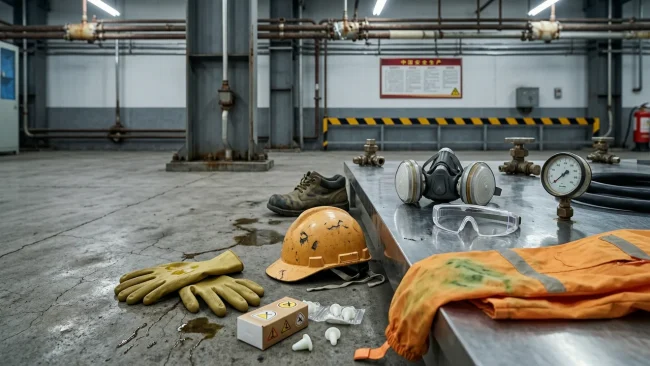
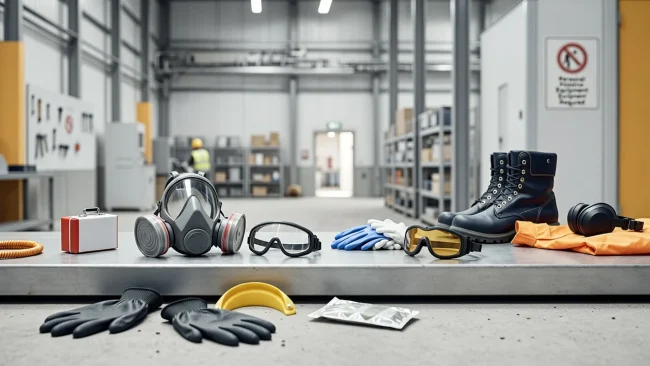
The article points out that chemical companies' fixed PPE configuration by job makes it difficult to cover the rapidly changing exposure risks in operations such as tank cleaning, loading and unloading, and inspection and maintenance. The article recommends incorporating PPE configuration into pre-job risk identification, selecting equipment according to exposure type, duration and environmental conditions, and integrating inspection, training and emergency spares into on-site management.
Why can't PPE replace engineering controls during on-site inspections at chemical plant facilities?

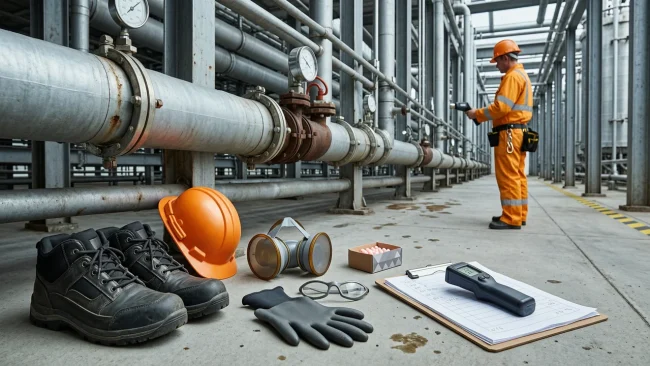
During inspections of chemical plants, PPE is often mistakenly treated as a universal barrier. The article points out that head, hearing, and respiratory protection are most easily overlooked, but PPE can only reduce the consequences of exposure and cannot replace engineering and management measures such as ventilation, interlocks, isolation, and testing. Selection should be based on the work scenario, exposure duration, and comfort; on-site training, inspection, and maintenance must also be implemented, and PPE should be incorporated into layered risk control.

Management Blind Spots in On-site PPE Allocation: A Case Study of Typical Illegal Chemical Production

The Ministry of Emergency Management has published several typical cases of illegal chemical production, exposing harsh safety conditions at illegal sites, such as the lack of ventilation and detoxification facilities and the unorganized emission of toxic and harmful gases. Drawing on these cases, the article points out that ordinary medical or dust masks cannot filter toxic gases, and that respiratory protection equipment with dedicated gas filter cartridges is required; in oxygen-deficient environments, positive-pressure self-contained breathing apparatus should be used. It also emphasizes that enterprises should incorporate correct PPE wearing into daily inspections and risk detection and assessment.

On-site Management of Chemical Hazardous Materials: A Risk Assessment-Based Approach to Personal Protective Equipment Selection

For chemical and hazardous chemical enterprises, where workplace environments involve leaks of toxic and hazardous substances, flammable and explosive risks, and high noise, this article takes a risk assessment perspective to explain that respiratory protection requires selecting a protection level matched to on-site air monitoring data and conducting regular fit testing, that head protection must address both falling-object impact and antistatic requirements, and that hearing protection must balance noise reduction values with wearing comfort. The article also points out that on-site management should avoid the misconception of “issuance equals compliance” and shift its focus to wearing training, on-site supervision, and regular replacement of consumables.