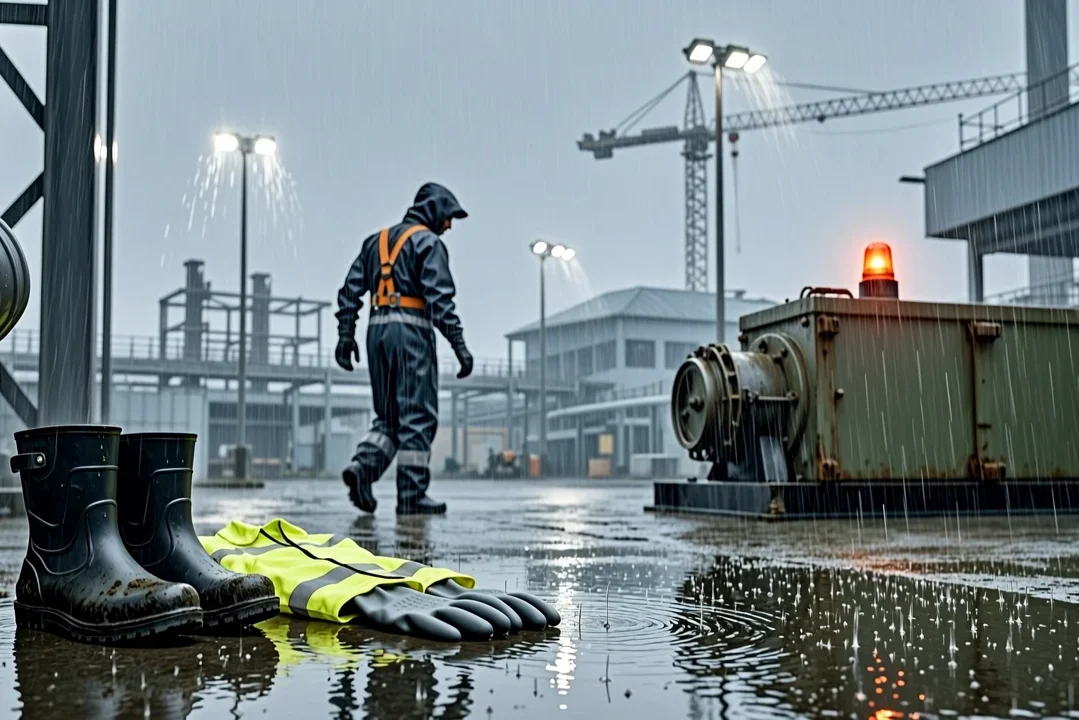
Misconceptions in Antistatic Management: Why Are There Still Safety Hazards When Wearing Antistatic Clothing?
Regarding antistatic management in high-risk industries, the article points out that merely equipping antistatic protective clothing and footwear leaves cognitive blind spots: neglecting protection for the head and other areas can still allow static electricity to accumulate and produce sparks. Friction or putting on and taking off ordinary safety helmets can easily generate static electricity, and when the material is not antistatic, collisions may also trigger mechanical sparks. Secondary disasters caused by electrostatic discharge, such as flash fires and dust dispersion, also threaten the respiratory tract, requiring high-efficiency respiratory protection equipment. The article recommends that EHS managers establish systematic protection thinking, comprehensively assess sources of static electricity generation and secondary hazards, and consider the compatibility among different protective equipment.
Details