
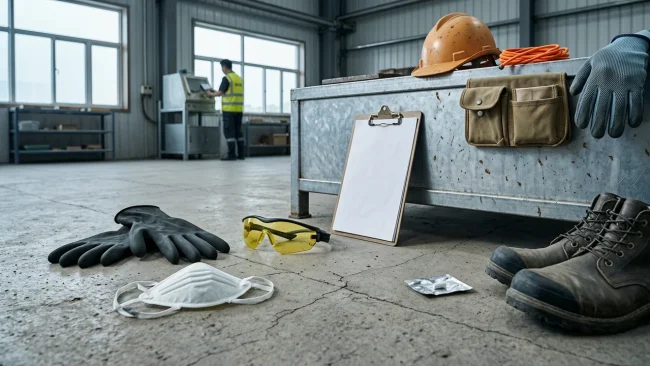
After an explosion incident report, where should PPE configuration begin?

Following the release of the investigation report on the explosion accident at the Baogang Plate Plant, the article recommends that companies turn the accident notification into an on-site risk checklist and re-verify PPE configuration according to scenarios such as normal production, inspection and maintenance, and emergency response. The article emphasizes that PPE is the last line of defense, and that it is necessary to check the validity period and condition of safety helmets, ensure continuous use of hearing and respiratory protection, and establish mechanisms for training, inspection and replacement.
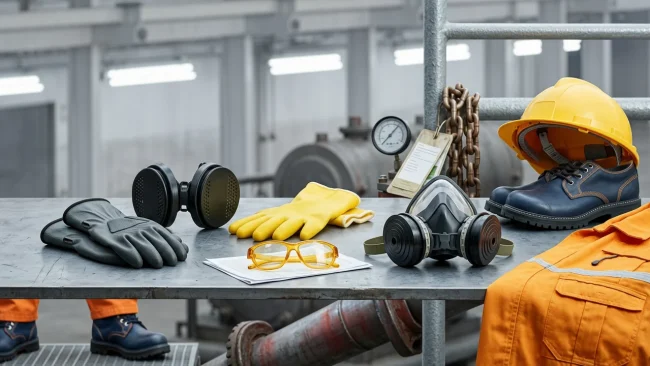
The bottom line and management approach for personal protection in high-risk operation scenarios involving special equipment

The article focuses on personal protection in high-pressure, high-temperature and working-at-height operations involving special equipment, noting that once boilers, pressure vessels, lifting machinery and similar equipment malfunction, secondary risks such as flying debris or falling heavy objects often follow. The article explains the role of head protection, respiratory protection and hearing protection at inspection and maintenance sites, and recommends that enterprises select equipment based on hazard identification results, verify equipment qualification and certification, and regularly update their selection catalog.

How can industrial and trade enterprises leverage expert guidance services to enhance the effectiveness of on-site PPE management

The Ministry of Emergency Management launched its 2026 expert guidance services for key industrial and trade sectors, focusing on high-risk areas such as combustible dust, confined spaces, and metal smelting. Addressing the “emphasis on provision over effectiveness” problem in PPE management at industrial and trade enterprises, the article explains that expert guidance can help companies identify the real risks behind formal compliance across the entire process—from hazard identification and selection matching to usage training and effectiveness feedback—and promote the establishment of long-term improvement mechanisms.

PPE Planning Behind Disaster-Relief Supply Allocation: Lessons for Corporate Disaster Preparedness

The article opens with the news of the state urgently allocating 5,000 pieces of central disaster relief supplies to Guangxi, analyzes the demand for personal protective equipment for the head, hearing, and respiratory protection at disaster sites, and extends from there to corporate emergency supplies reserves, recommending that companies configure PPE in a differentiated manner based on the risk characteristics of their plant areas, while also emphasizing storage conditions, shelf-life management, and regular drills.

Accidents in the light industry and textile sector are frequent; how can PPE allocation keep up with changing risks?

The 2025 light industry and textile sector production safety accident analysis report shows that more than one hundred typical accident cases were recorded throughout the year, with occupational health issues caused by mechanical entanglement, dust inhalation and noise exposure accounting for the highest proportion, mostly occurring in processes such as spinning, weaving, dyeing and finishing, exposing the lag in risk assessment and PPE provision at some enterprises. Focusing on mechanical injury, dust and noise risks, the article proposes that enterprises should establish a dynamic PPE management mechanism based on job-specific risks, select equipment scientifically, and strengthen training and supervision in its use.