
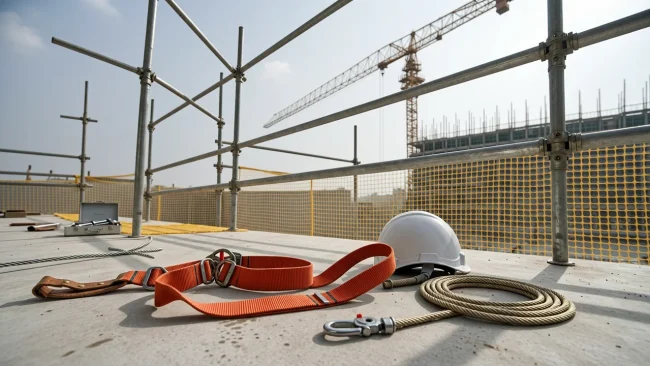
When implementing a specialized high-altitude work plan, what misconceptions should be avoided in on-site fall protection management?

The article focuses on the on-site implementation of special work-at-height plans, noting that some enterprises emphasize plan preparation while neglecting process supervision, resulting in a disconnect between plans and the worksite. To achieve a closed-loop approach to fall prevention management, it is necessary to implement work permits, dedicated supervision, and emergency rescue preparedness, scientifically select equipment such as full-body safety harnesses, shock-absorbing lanyards, and self-retracting fall arresters according to the working environment, strengthen personnel training and pre-use inspections, and deeply integrate special plans with equipment management.
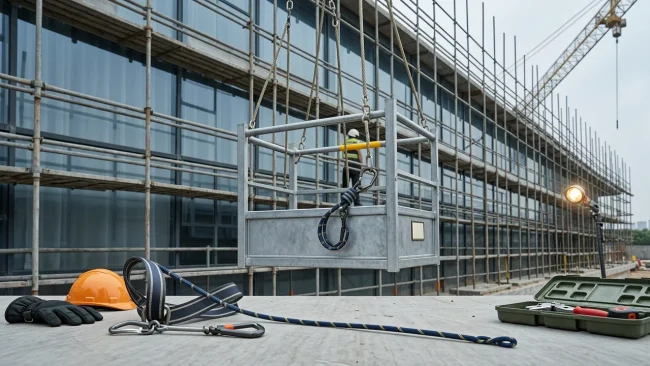
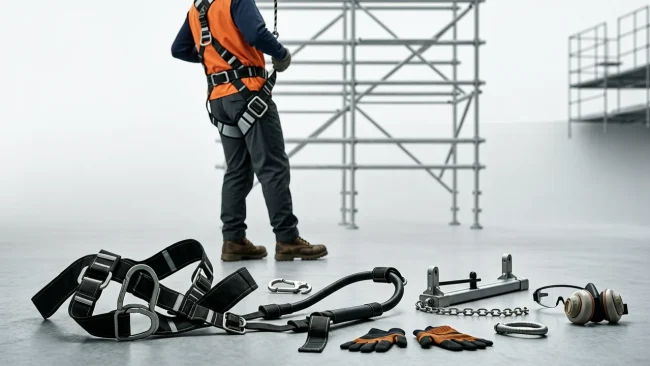
Curtain wall construction in suspended platforms: What blind spots exist in fall protection equipment selection and on-site management?

In suspended platform operations during curtain wall construction, there are cognitive and selection blind spots in fall protection. The article points out that the platform's built-in safety lock and guardrails cannot replace personal protection; the safety harness must be attached to a safety rope independent of the suspended platform system, and a full-body harness with a shock-absorbing pack should be preferred. On site, the breaking strength and position of the safety rope anchor points must also be verified, self-locking devices or shock-absorbing lanyards should be included in daily inspections, equipment appearance should be checked before boarding the platform, and any issues such as seam cracking or metal component deformation should result in immediate removal from service and scrapping.

Fall Protection for Work at Height: From Full-Body Harness Selection to On-site Anchor Point Management

The article focuses on fall protection in work at height in building construction and industrial maintenance, explaining the limitations of half-body harnesses and the role of full-body harnesses in distributing impact forces, and introduces shock-absorbing lanyards that absorb kinetic energy, anchor point load-bearing capacity, the principle of anchoring high and working low, and on-site management requirements such as pre-use visual inspection and hands-on training, emphasizing that equipment selection and the safety management system must be implemented together.

Updates to Height Work Classification Standards: How Can Enterprises Precisely Implement Fall Protection Management?

With the rollout of GB 3608-2025 "Classification of Work at Heights" training, corporate EHS and procurement personnel need to re-examine their work-at-height safety management systems. The new standard refines the definitions and classification logic, emphasizing the comprehensive risk differences across heights, working environments and objective conditions. The article notes that even lower-level work at heights still requires fall protection measures when the area below is complex, and recommends scientifically selecting equipment such as safety belts, safety ropes and self-retracting fall arresters according to risk levels, so as to optimize PPE procurement plans.

Work at Height in Building Construction: How to Systematically Prevent and Control Fall Risks?

Falls from height in construction work have long ranked first among accident types, with risks closely related to leading edges and openings, scaffold stability, and worker protection. The article proposes establishing a three-tier protection system of “engineering controls + administrative measures + personal protective equipment,” focusing on the composition of the Personal Fall Arrest System (PFAS), inspection and maintenance requirements, and key points for personnel training, and emphasizing scientific selection and standardized management to achieve inherent safety.