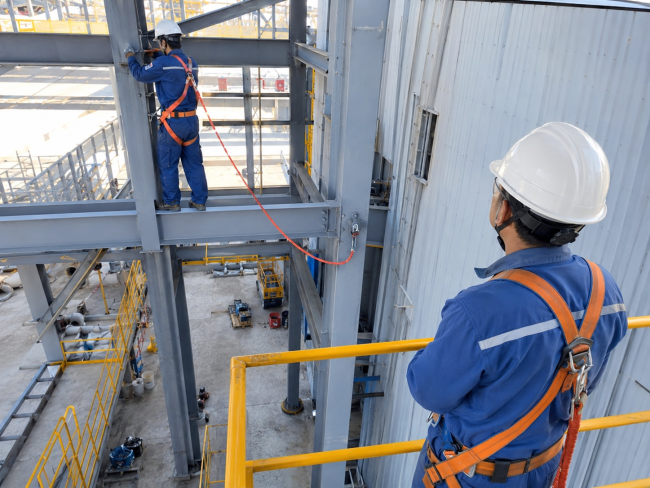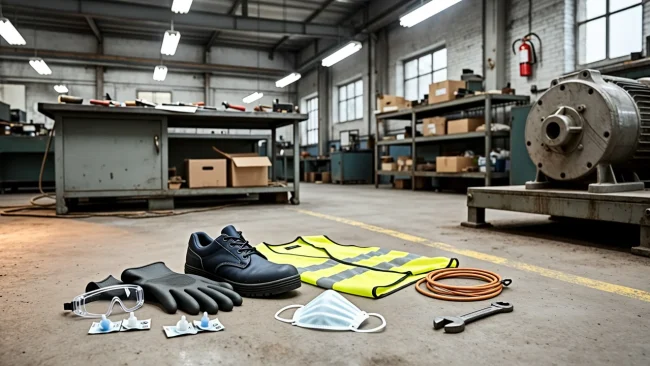
Behind the eight major hazards in industrial and trade enterprises, why is PPE always one step short?

Centered on eight major hazardous scenarios in industrial and trade enterprises—machinery, electrical, work at height, poisoning and asphyxiation, dust, and noise—the article points out that if procurement and safety management personnel understand protection merely as “buying a few items,” it easily leads to insufficient or mismatched protection; risk identification should be refined down to job actions and operational stages. The article recommends establishing PPE lists by position, focusing on selection points such as respiratory filter suitability and fit, continuous wearing of hearing protection, and impact resistance of head protection, and incorporating wearing experience and inspection/maintenance into on-site management.
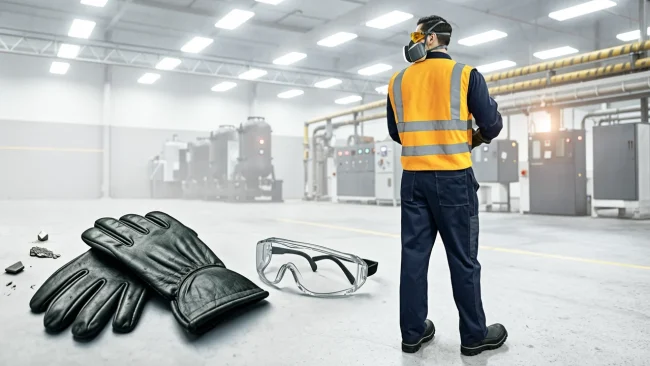
Preventing high-temperature burn accidents: how corporate EHS can hold the last line of personal protection

Recently, a scalding accident at a company in Zhengzhou, Henan, killed three people, sounding an alarm for corporate EHS management. Drawing on this accident, the article addresses scalding risks such as molten material splashing and steam leaks in metallurgy, casting, and other industries, and introduces key points for risk identification, engineering controls, and PPE selection, covering flame-retardant and heat-insulating clothing, protective face shields, and respiratory protection, while emphasizing emergency drills and daily inspections.

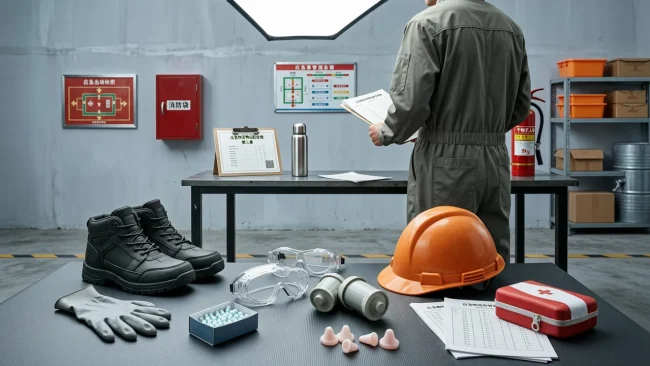
What are the common misconceptions in the implementation of emergency plan compilation and the configuration of on-site emergency PPE supplies?

After the Ministry of Emergency Management released the interpretation of the "Guidelines for the Preparation of Emergency Response Plans for Emergencies Part 1: General Principles," the article points out that enterprise emergency plan preparation often emphasizes process over materials, and emergency reserve lists have problems such as mismatched protection levels and insufficient quantities. The article emphasizes that scenarios such as fires and chemical leaks require clear respiratory protection standards and the configuration of safety helmets and hearing protection products. It also recommends that procurement and EHS departments work together and verify the effectiveness of materials through drills.