What are the common misconceptions in the implementation of emergency plan compilation and the configuration of on-site emergency PPE supplies?
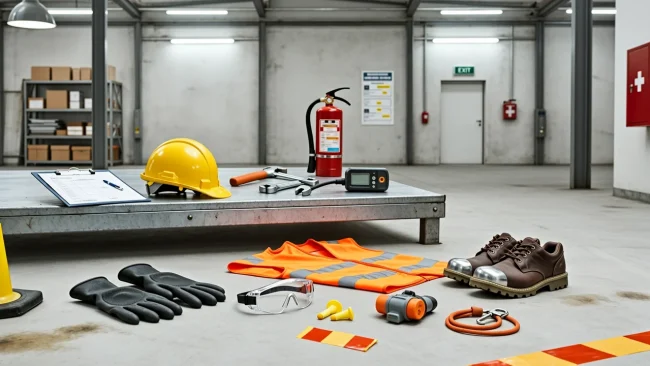
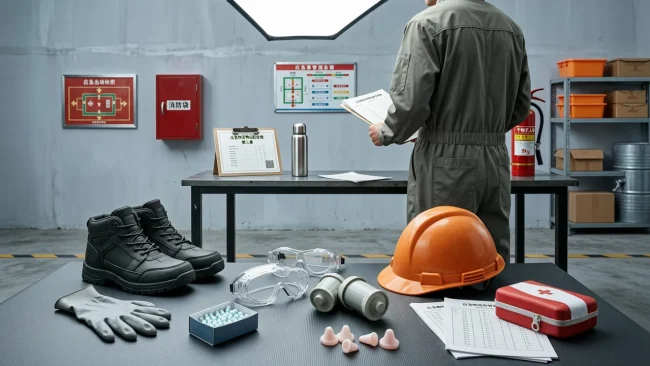
After the Ministry of Emergency Management released the interpretation of the "Guidelines for the Preparation of Emergency Response Plans for Emergencies Part 1: General Principles," the article points out that enterprise emergency plan preparation often emphasizes process over materials, and emergency reserve lists have problems such as mismatched protection levels and insufficient quantities. The article emphasizes that scenarios such as fires and chemical leaks require clear respiratory protection standards and the configuration of safety helmets and hearing protection products. It also recommends that procurement and EHS departments work together and verify the effectiveness of materials through drills.