
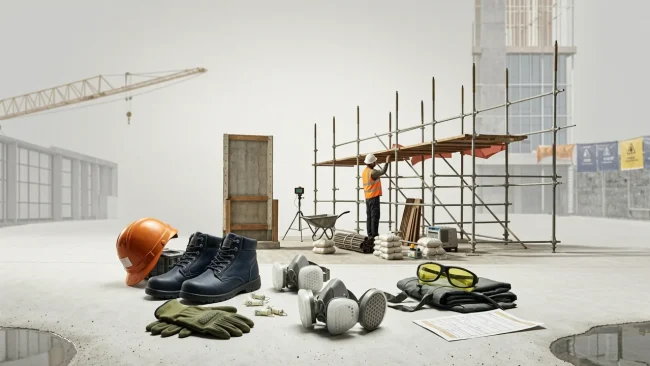
Construction environments are complex and ever-changing; what should frontline PPE selection and on-site management focus on?

Cross-operation is frequent on construction sites, where risks such as falling objects, mechanical injuries, dust and noise are intertwined. Focusing on safety helmets, hearing protection and respiratory protection equipment, this article explains that companies should select equipment according to the types of on-site hazards and supervise its correct use, while establishing a full life-cycle management process covering needs assessment, procurement acceptance, and disposal and replacement.

With new regulations on work at height taking effect, how should enterprises restructure their fall protection management strategies?

In response to the implementation of new regulations on work-at-height safety, this article focuses on enterprise fall protection management, sorts out the requirements of the new regulations on operation approval, protective facilities, and personnel training, and explores how enterprises can adjust management strategies and improve protective measures to reduce fall-from-height risks.

Work at Height in Building Construction: How to Systematically Prevent and Control Fall Risks?

Falls from height in construction work have long ranked first among accident types, with risks closely related to leading edges and openings, scaffold stability, and worker protection. The article proposes establishing a three-tier protection system of “engineering controls + administrative measures + personal protective equipment,” focusing on the composition of the Personal Fall Arrest System (PFAS), inspection and maintenance requirements, and key points for personnel training, and emphasizing scientific selection and standardized management to achieve inherent safety.