
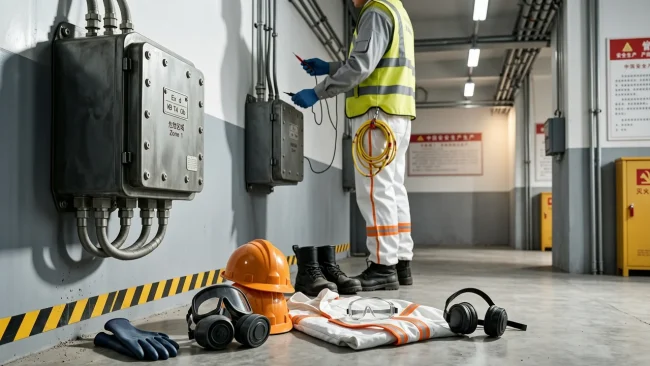
Why PPE for work near explosion-proof electrical equipment cannot be configured the same as for an ordinary workshop

The article points out that in scenarios such as chemicals, oil and gas, and dust processing, the risks of working around explosion-proof electrical equipment are not limited to ignition sources but also include energy control, environmental exposure, and emergency response. Ordinary labor protection cannot replace lockout/tagout, gas detection, and monitoring systems; PPE must be configured according to differences in job exposure and incorporated into work permits and pre-shift meeting inspections.
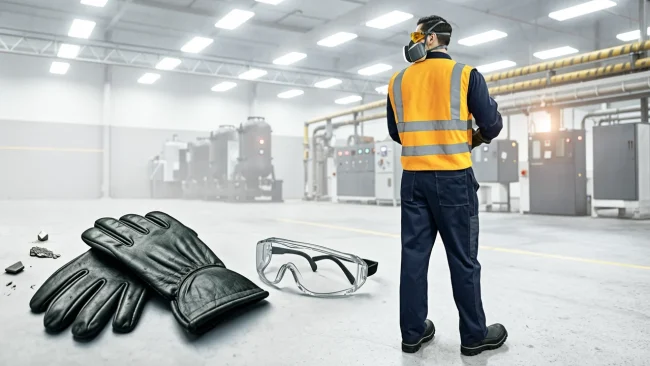
Preventing high-temperature burn accidents: how corporate EHS can hold the last line of personal protection

Recently, a scalding accident at a company in Zhengzhou, Henan, killed three people, sounding an alarm for corporate EHS management. Drawing on this accident, the article addresses scalding risks such as molten material splashing and steam leaks in metallurgy, casting, and other industries, and introduces key points for risk identification, engineering controls, and PPE selection, covering flame-retardant and heat-insulating clothing, protective face shields, and respiratory protection, while emphasizing emergency drills and daily inspections.

Unmanned factory fire, it made a contribution! How intelligent protection rewrites industrial safety standards

In March 2026, a fire broke out suddenly in an unattended factory building in an industrial park. Through multi-sensor fusion technology, the intelligent environmental monitoring system identified anomalies in the early stage of the fire and coordinated the ventilation, power-off and sprinkler systems to achieve a closed-loop response, effectively controlling the spread of the disaster, with no casualties and minimized property losses. The article thereby explores industrial safety protection in unmanned scenarios, pointing out that PPE is shifting from passive protection to intelligent sensing nodes, and that corporate EHS strategies and procurement selection need to place greater emphasis on system integration.

How Can Explosion-Proof System Abnormal Alerts Reach Decision-Makers? A Re-Examination of Corporate Safety Response Mechanisms

Using the case of a sudden anomaly in an explosion-proof device, where the enterprise responsible person simultaneously received an early warning, the article discusses how industrial safety warnings can penetrate organizational levels and reach decision-makers directly. It proposes that early warning systems should have multi-level push capabilities such as SMS and mobile applications, and be able to interface with EHS platforms; enterprises should also establish tiered response plans and regular drills, incorporate safety warnings into management performance assessments, and drive a shift from passive response to proactive prevention.