



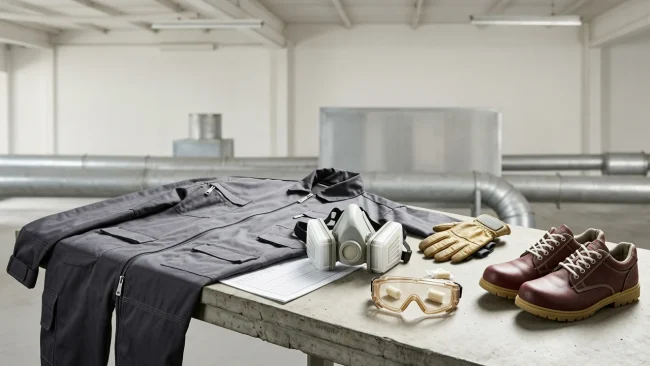
Hazards in dust explosion-prone areas are frequent; why do individual protection selections repeatedly fall into pitfalls?
In hazard inspections of industrial and trade enterprises with combustible dust, companies often focus on dust removal systems and electrical explosion protection, yet easily overlook details of personal protective equipment for personnel. The article points out that the threat of explosive dust has a dual nature of explosion and occupational health; when selecting PPE, in addition to filtration rating, attention must be paid to the antistatic performance of mask materials, and for body protection, qualified antistatic workwear should be selected. In the procurement process, antistatic indicators must be taken as acceptance criteria to cut off the risk of electrostatic ignition.
