



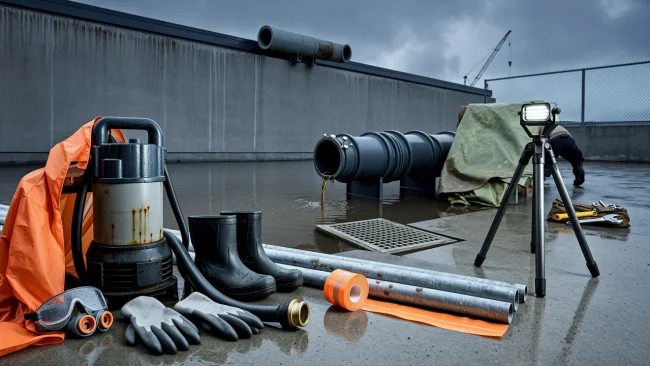
With frequent extreme heavy rainfall, how can enterprises build a reliable protection for flood control and drainage operations?
Recently, many places have experienced extreme heavy rainfall, and the National Disaster Prevention, Reduction and Relief Committee has activated a disaster relief emergency response. Focusing on the safety of flood control and drainage operations, the article introduces the health hazards faced by wading operations, including drowning, slips and falls, impacts, and post-disaster bacteria and mixed sewage, and explains key points for selecting personal protective equipment from the aspects of head, respiratory and hearing protection. It also emphasizes that enterprises need to inventory emergency supplies in advance and organize flood control safety training and emergency drills.
